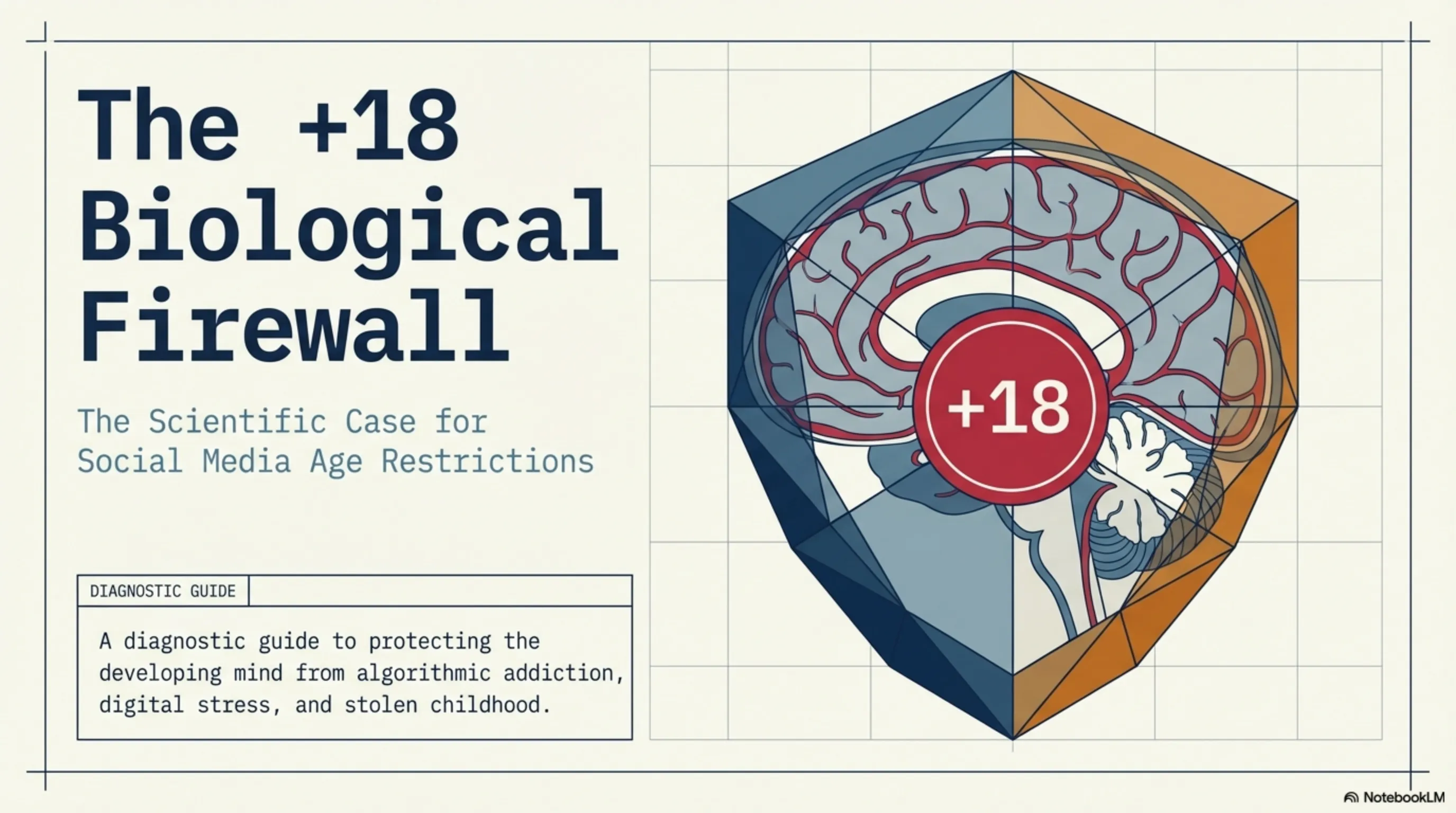
🔞 Welcome to the Scientific Guide on Social Media Age Restrictions
In today's digital world, the +18 age restriction for platforms like Instagram, TikTok, and Snapchat is no longer just a ceremonial rule—it's a scientific defense barrier protecting the mental architecture of the next generation. This comprehensive guide will help you fully understand the scientific, psychological, and social reasons behind this restriction.
⚡ Key Topics in This Guide:
🧠 Dopamine Bombardment and Algorithmic Addiction
💔 Self-Image Destruction and Body Dysmorphia
😰 FOMO Phenomenon and Digital Stress
🔒 Privacy and Digital Footprint
⚠️ Dangerous Viral Challenges
👶 Premature Maturity and Childhood Theft
📚 This guide is designed for parents, teachers, and everyone concerned about the future of the next generation.
🧠 Reason One: Dopamine Bombardment and Algorithmic Addiction
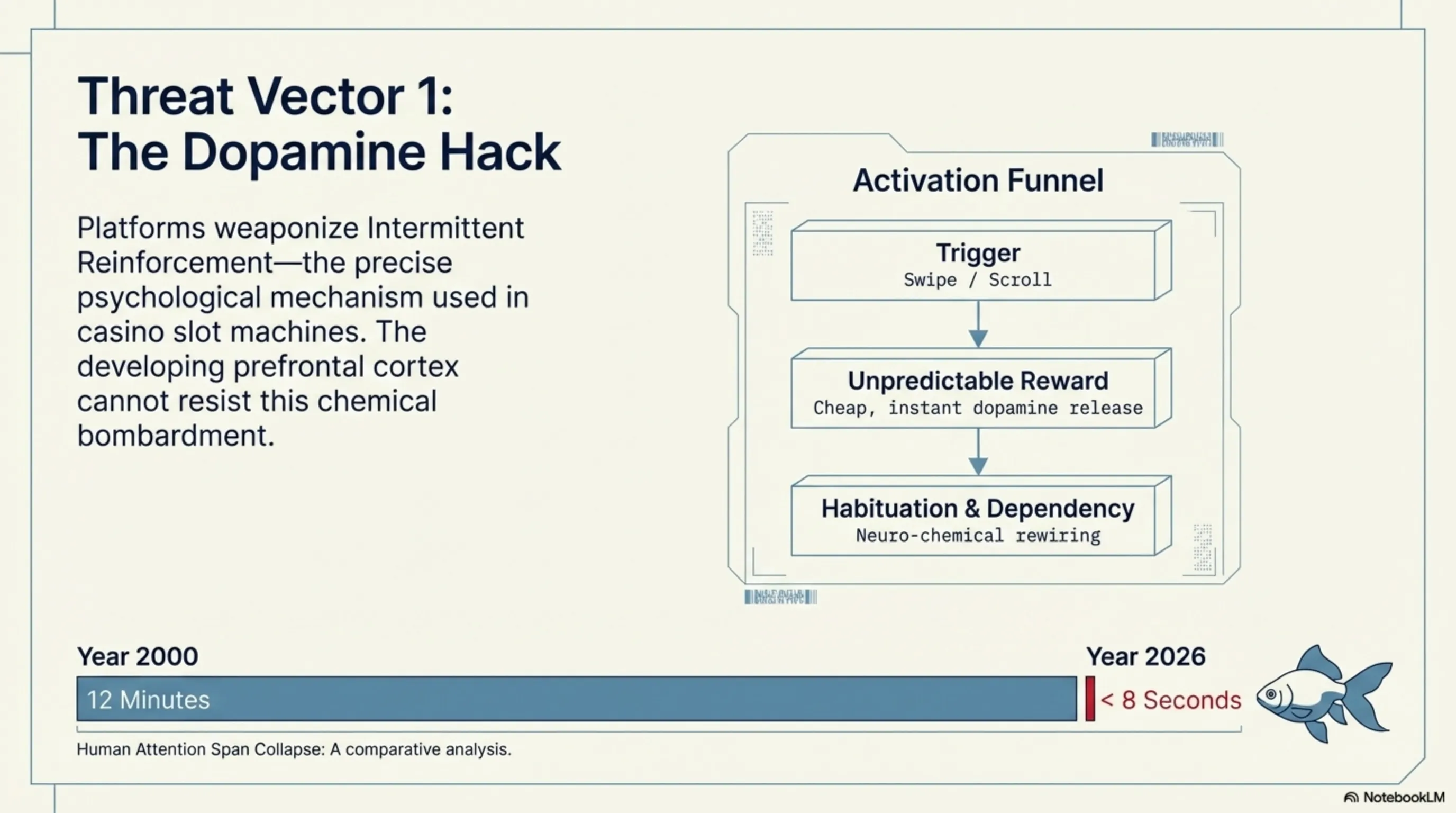
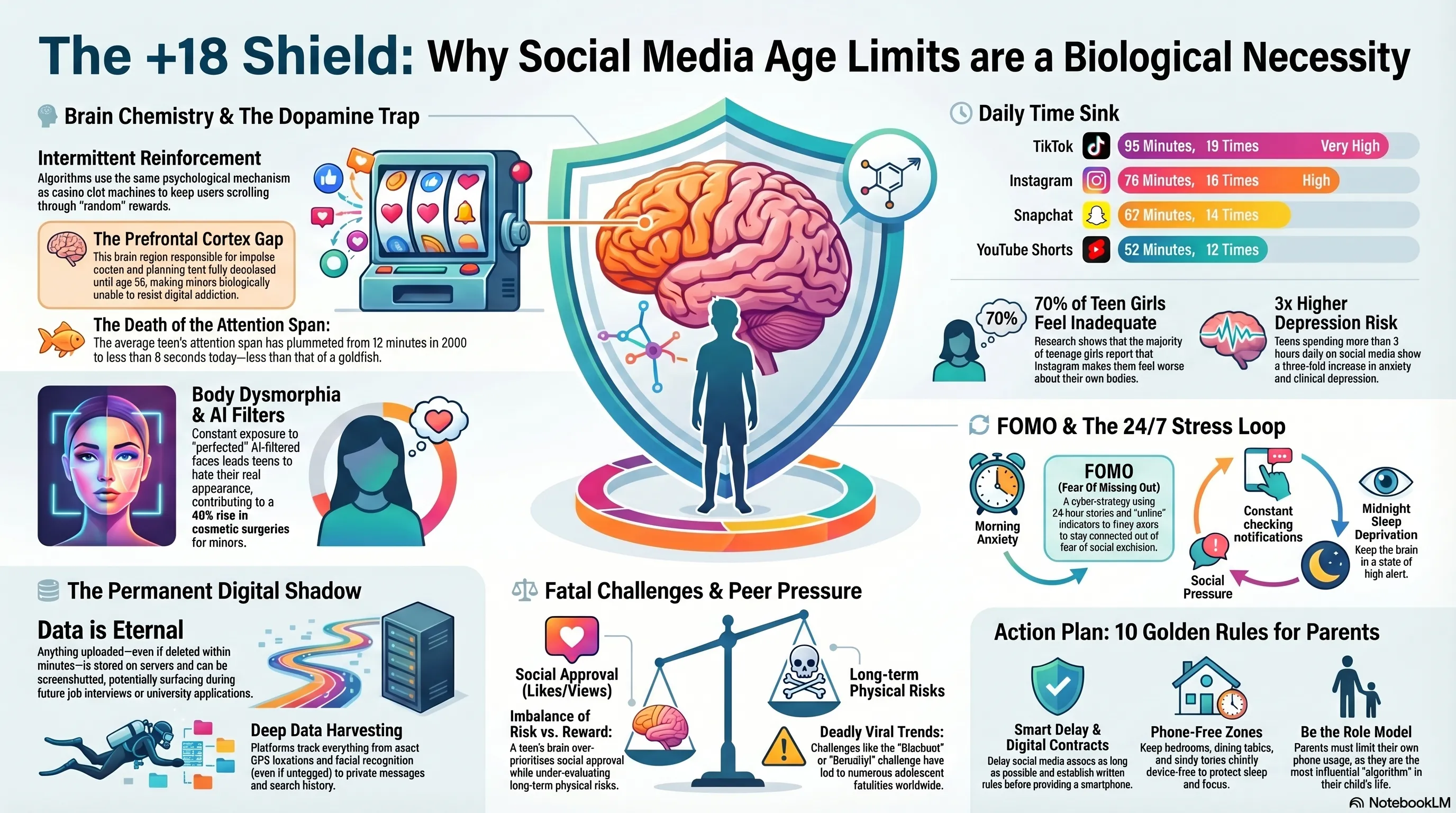
The algorithms of TikTok, Instagram, and Snapchat are designed based on a dangerous psychological principle: Intermittent Reinforcement or variable rewards. This is the same mechanism used in casino slot machines that keeps people glued to the device for hours.
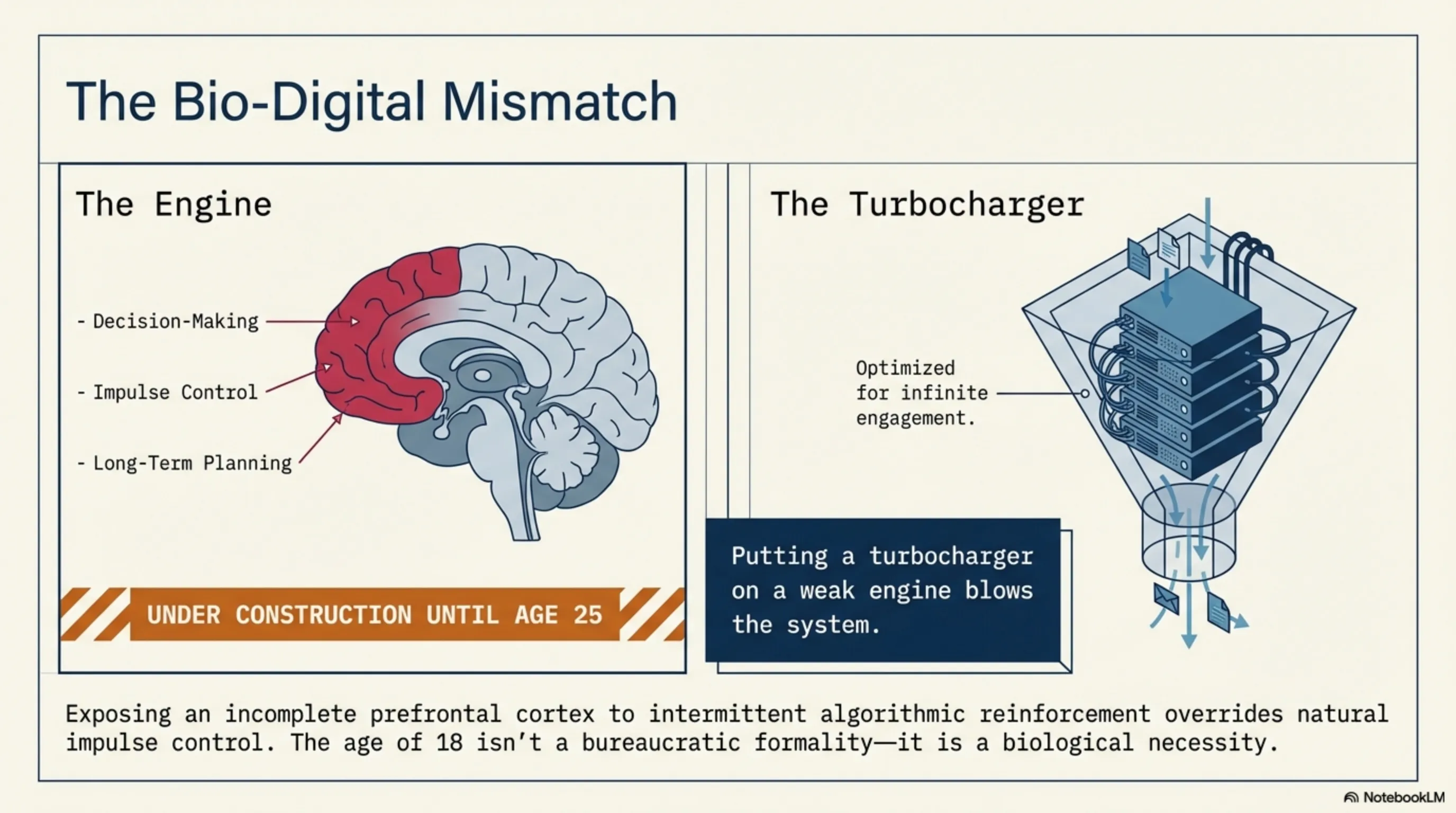
🔬 Technical Analysis: How Dopamine Hacks the Brain
Short-form content videos trigger rapid and cheap dopamine release. Dopamine is the chemical that creates feelings of pleasure and satisfaction in the brain. The problem is that a child or teenager's brain, whose Prefrontal Cortex hasn't fully developed yet, cannot resist this dopamine pump.
⚠️ Important Note: The prefrontal cortex, responsible for decision-making, impulse control, and planning, doesn't fully develop until age 25. This means teenagers under 18 are biologically incapable of resisting digital addiction.
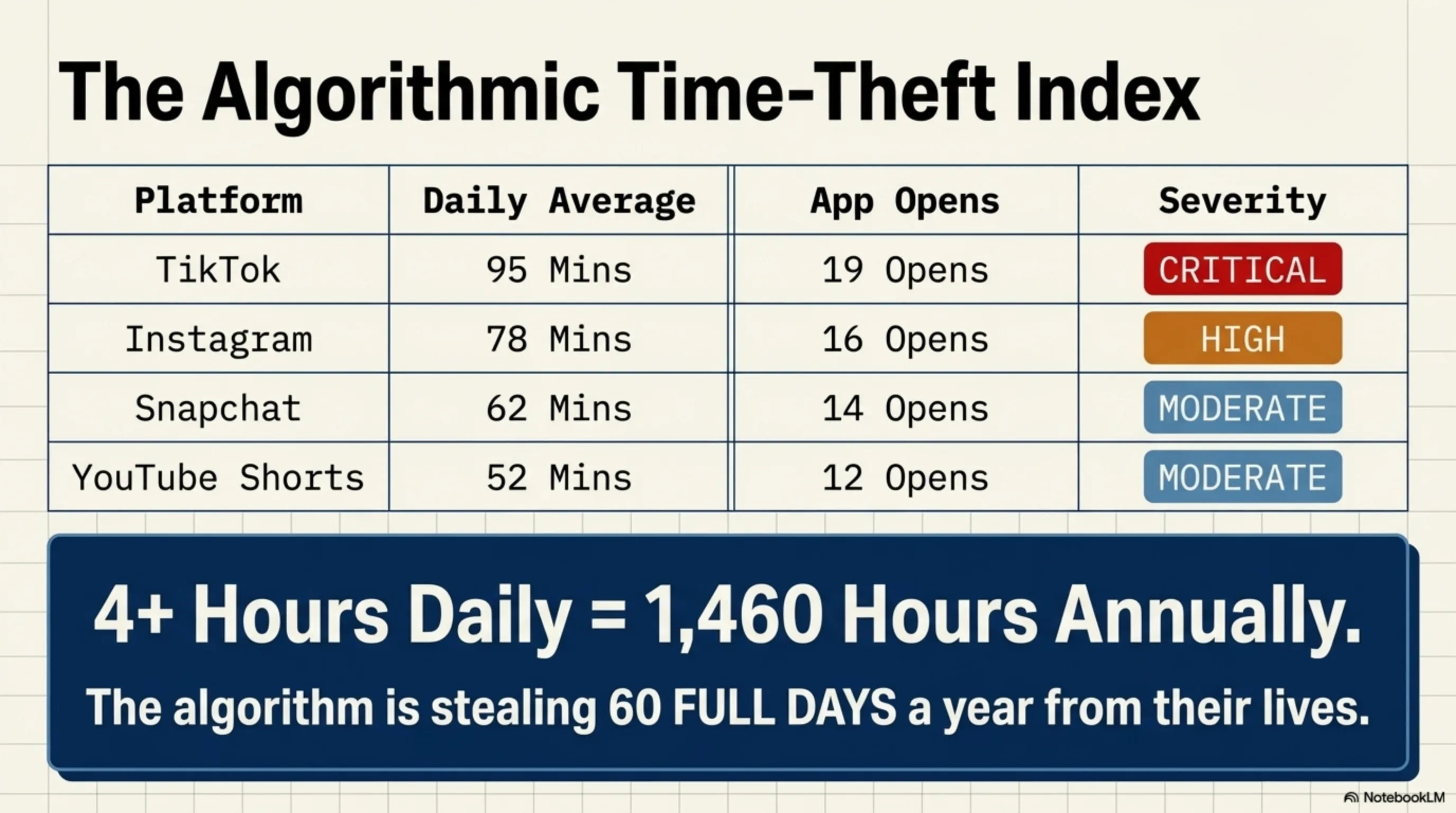
📊 Shocking Statistics: How Much Time is Wasted?
These statistics show that an average teenager spends more than 4 hours per day on these platforms. That means in one year, 1,460 hours or equivalent to 60 complete days of their life is wasted!
⚠️ Destructive Result: Attention Span Destruction
A child who gets used to 15-second videos can no longer analyze a book or focus on a math problem. Their brain's reward system needs a complete "debug"! Studies show that teenagers' attention span has decreased from 12 minutes in 2000 to less than 8 seconds in 2026—less than a goldfish!
💔 Reason Two: Self-Image Destruction and Body Dysmorphia
These platforms are showcases of "filtered lives." Everything you see on Instagram or TikTok, from flawless faces to ideal bodies and luxurious lifestyles, are all products of AI filters, professional lighting, and extensive editing.
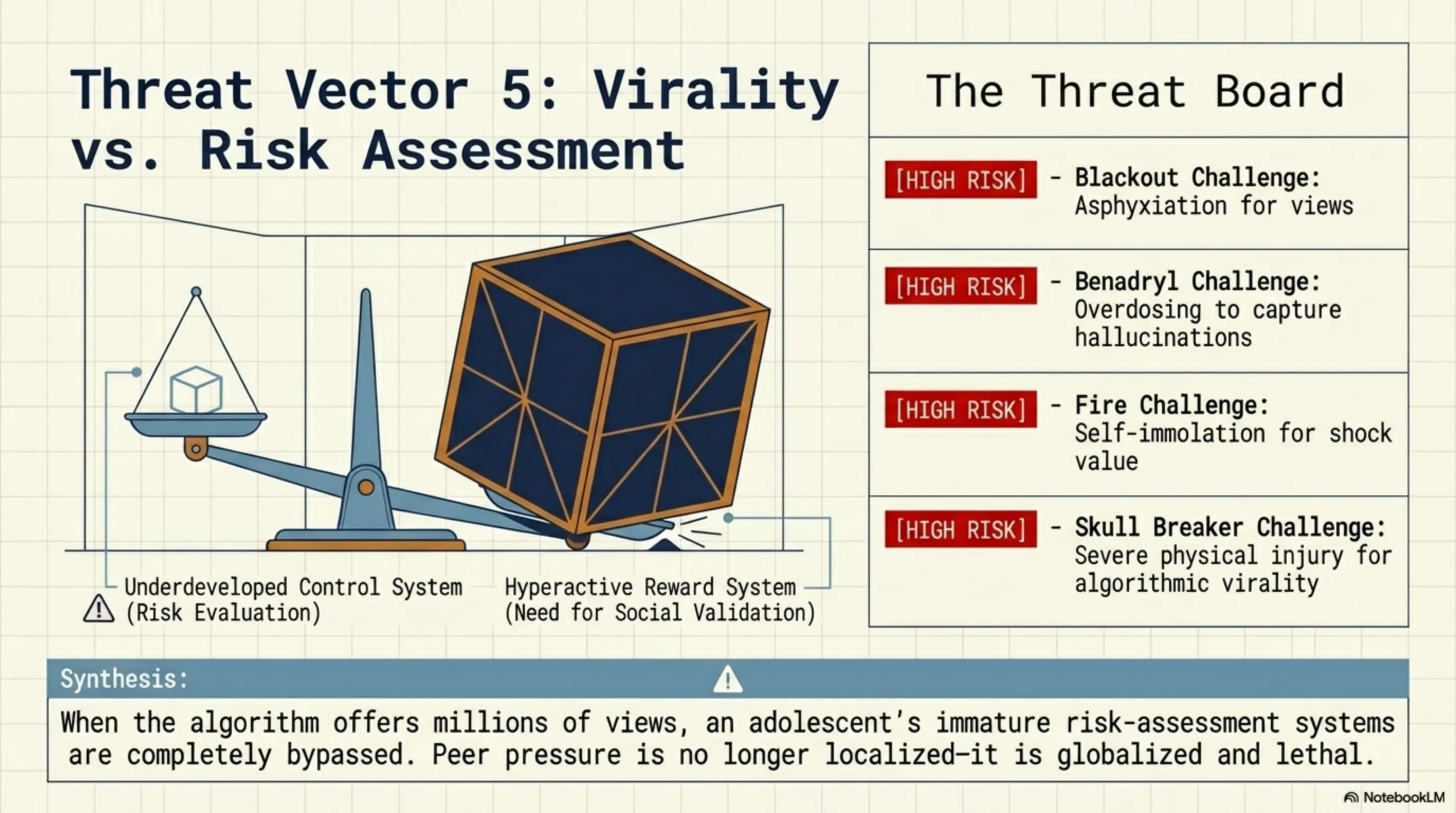
🔍 Social Dissection: Unequal Comparison
Teenagers on Instagram are constantly comparing the "behind-the-scenes" of their lives with the "showcase" of others. This is a completely unequal comparison that leads to feelings of inadequacy, depression, and anxiety.
📌 Real Example: A teenage girl who tries beauty filters on her face 50 times a day gradually becomes disgusted with her real face. She can no longer see herself in the mirror without filters. This is Body Dysmorphia or body dysmorphic disorder.
📈 Alarming Mental Health Statistics
Using AI beauty filters causes teenagers to set unrealistic and unattainable beauty standards as their goals. This leads to severe depression, social anxiety, and even suicidal thoughts.
😰 Reason Three: FOMO Phenomenon and Permanent Digital Stress
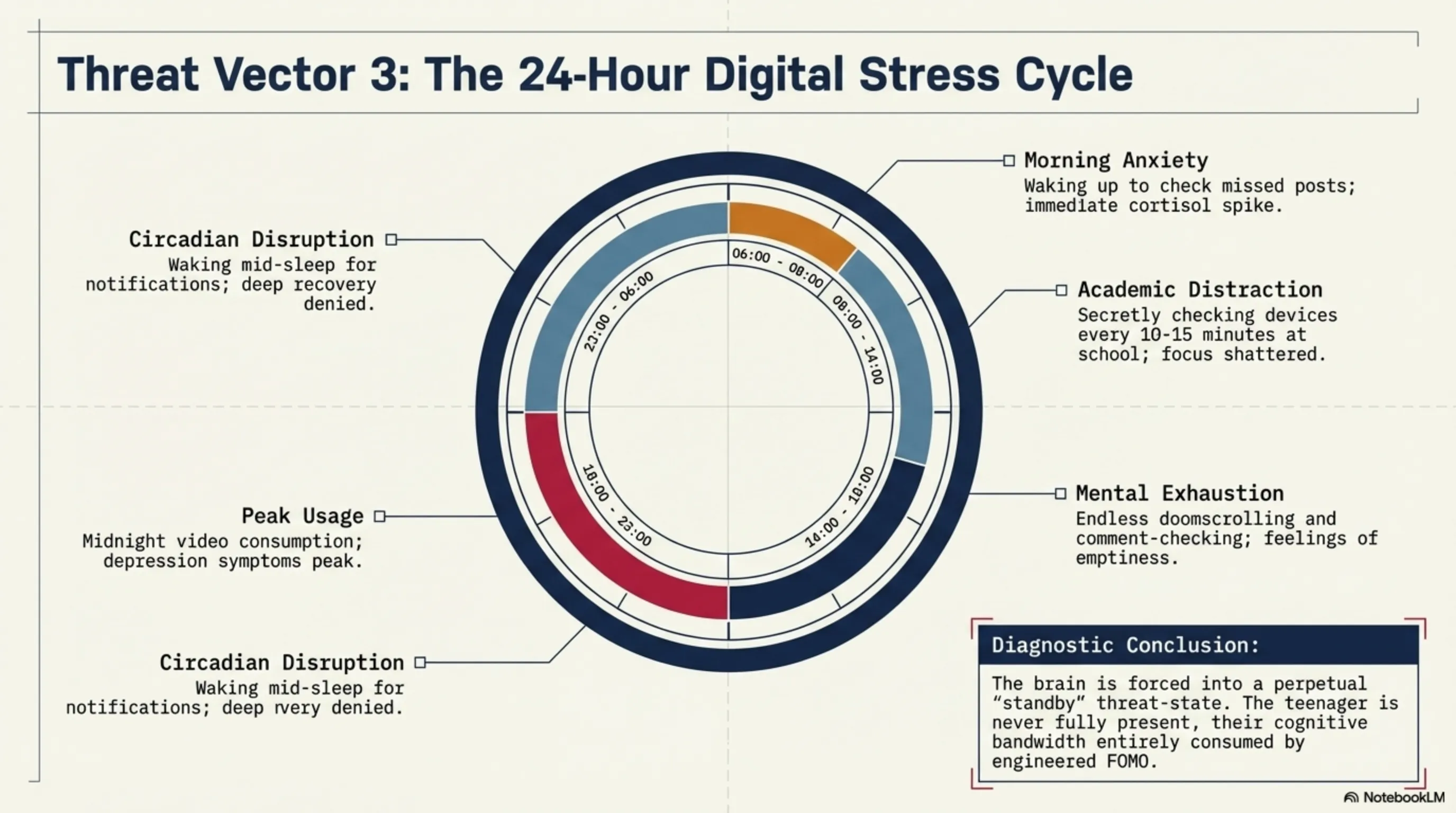
FOMO stands for Fear of Missing Out. This is a cyber strategy that platforms use to keep users online 24/7. Teenagers feel that if they're offline for an hour, they've fallen behind their "army of friends" or new trends.
🧠 Cyber Strategy: How FOMO Works
Platforms use various psychological techniques to create FOMO:
- 24-hour Stories: Creating urgency and fear of missing content
- Constant Notifications: Continuous reminders that "you're missing something"
- "Online" Status: Social pressure for immediate responses
- Viral Trends: Feeling left behind from the crowd
💡 Result: This means permanent stress and brain bandwidth occupation by trivial matters. Teenagers can no longer experience the present moment because they're always worried about "what they're missing."
⏰ Timeline: The Vicious FOMO Cycle
This vicious cycle means teenagers never spend a moment of their day without digital stress. Their brain is constantly in "standby" mode and never gets a chance to rest and recover.
🔒 Reason Four: Privacy and Digital Footprint
📚 Classified & Related Dossiers in TekinGame
If you wish to explore beyond this report and delve into cybernetic frontiers and autonomous AI architectures, do not miss these three exclusive deep-dives in the Tekin Garage:
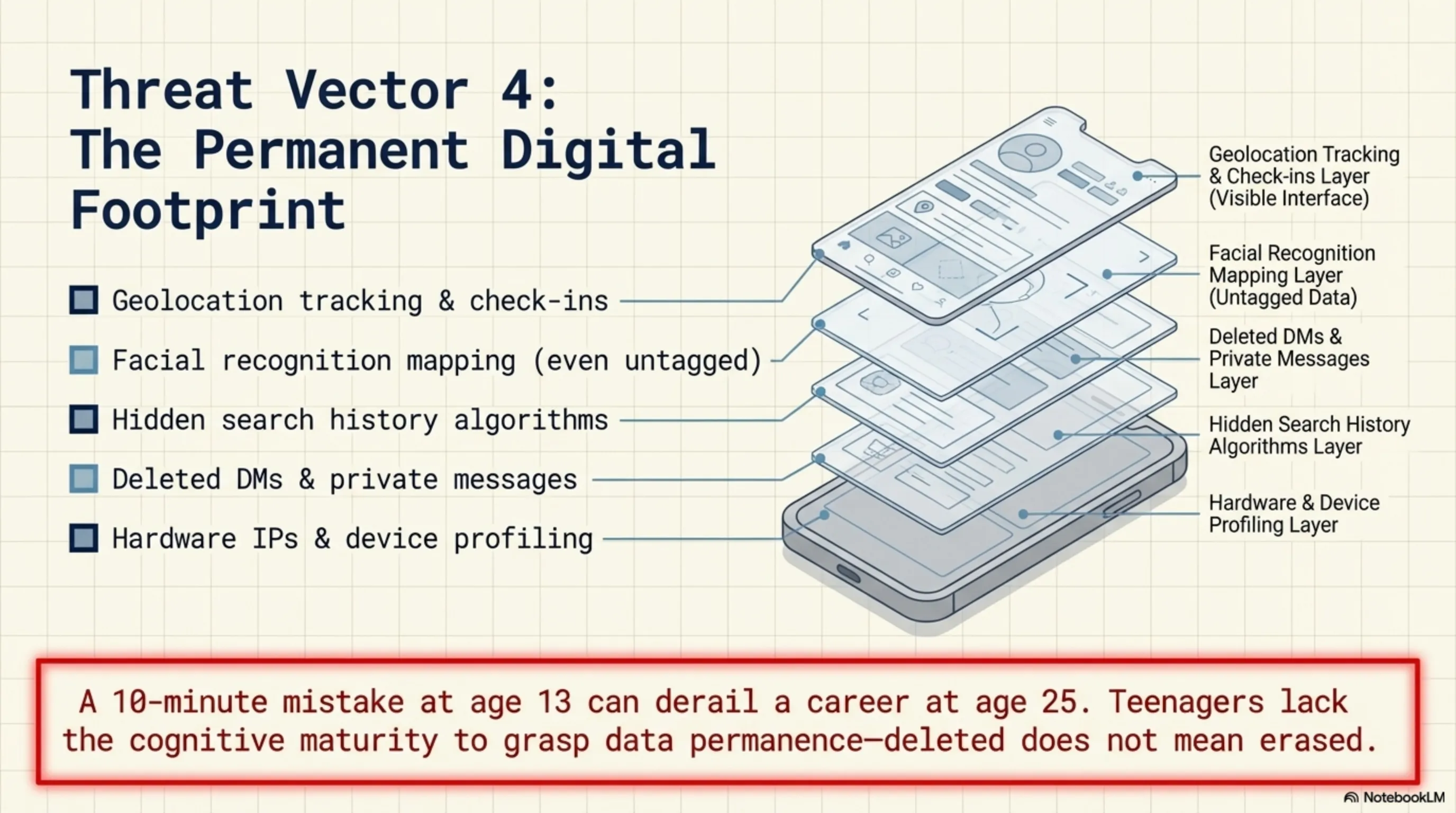
One of the most dangerous aspects of social media for teenagers is their lack of understanding of data permanence. Everything they upload today is stored forever on these companies' servers—even if they delete it.
🛡️ Security Debug: Digital Footprint Dangers
Kids have no understanding of "data permanence." A small mistake at age 13 can damage their reputation like a destructive virus at age 25 during job applications or professional relationships.
⚠️ Real Example: A 15-year-old posts an inappropriate photo or video on Instagram. Even if they delete it after 10 minutes, hundreds of people may have screenshot it. This content can appear in a simple Google search 10 years later and destroy their chance of getting hired at a reputable company.
📋 Checklist: Data Collected by Social Media
- 📍 Geographic Location: Everywhere you've been, every place you've checked in
- 👤 Face Recognition: All photos you appear in (even without tags)
- 🔍 Search History: Everything you've searched, every profile you've viewed
- 💬 Private Messages: All your conversations (even deleted ones)
- 🎯 Interests and Behavior: What you like, how long you spend on each post
- 📱 Device Information: Phone model, OS, IP address, WiFi network
- 👥 Social Network: Who you know, who you communicate with
This data is not only used for targeted advertising but can also be accessed by employers, universities, insurance companies, and even governments. A 14-year-old has no understanding of these long-term consequences.
⚠️ Reason Five: Dangerous Viral Challenges and Peer Pressure
TikTok and Instagram are hubs for stupid challenges that sometimes lead to serious physical harm or even death. The teenage brain, due to its intense need for "peer validation," lacks the ability to assess the risks of these challenges and recklessly puts itself in danger.
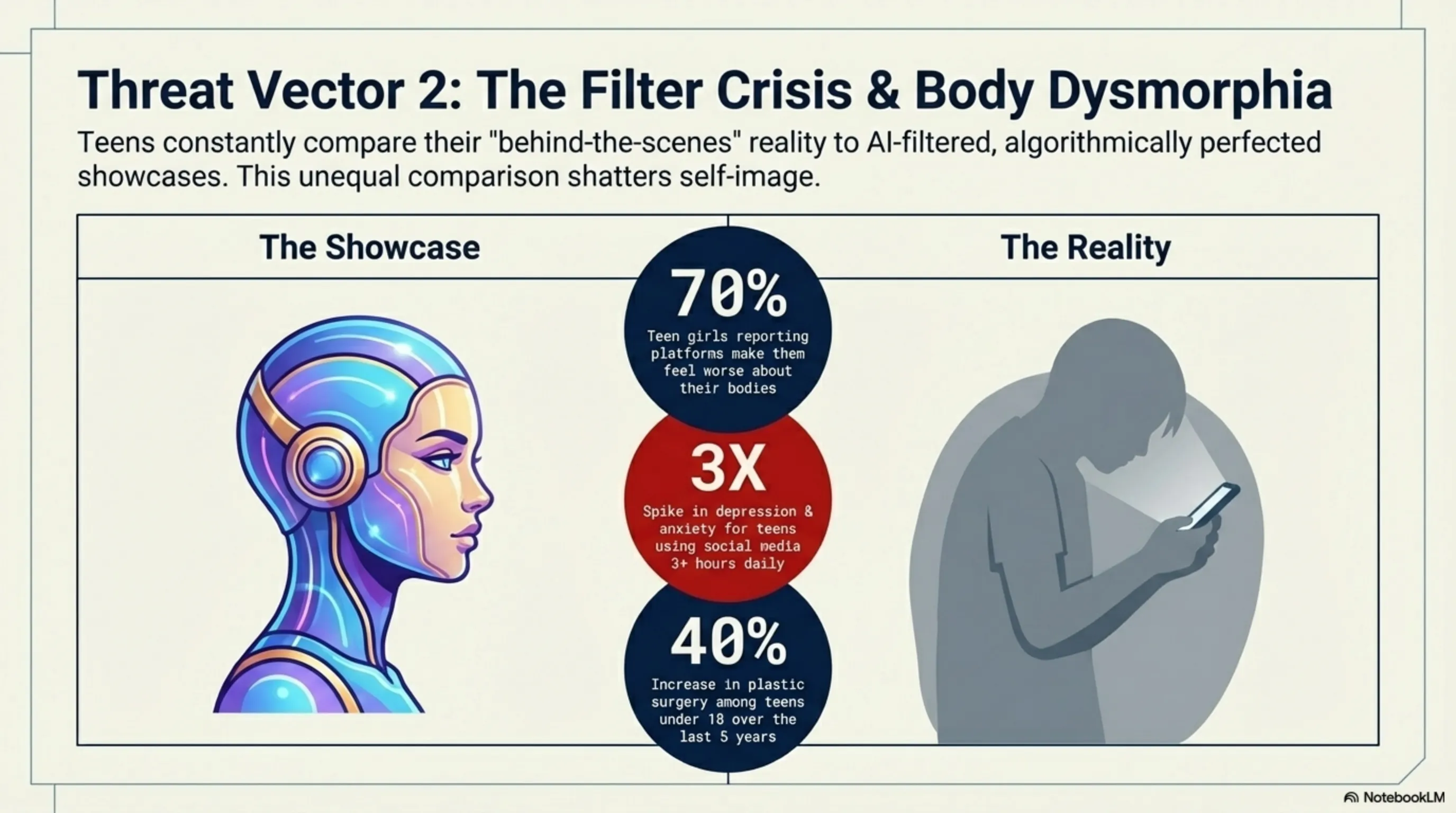
☠️ Risk Analysis: Why Teenagers Become Victims
The teenage brain is at a stage where the reward system (seeking pleasure and social validation) is very active, but the control system (assessing risks) is still weak. This imbalance causes teenagers to:
- Ignore long-term risks
- Make stupid decisions under peer pressure
- Risk their lives for likes and views
- Be unable to say "no" even when they know it's wrong
💀 Deadly Challenges Table: Real Examples
These are just examples of hundreds of dangerous challenges that go viral on these platforms every day. Unfortunately, dozens of teenagers worldwide have lost their lives participating in these challenges.
👶 Reason Six: Premature Maturity and Childhood Theft
Social media algorithms make no distinction between children, teenagers, and adults. When a 13-year-old enters Instagram's Explore page or TikTok's For You Page, they encounter concerns they don't yet have the capacity to process: complex financial, emotional, political issues, and even sexual content.
🎭 Final Result: Theft of Childhood
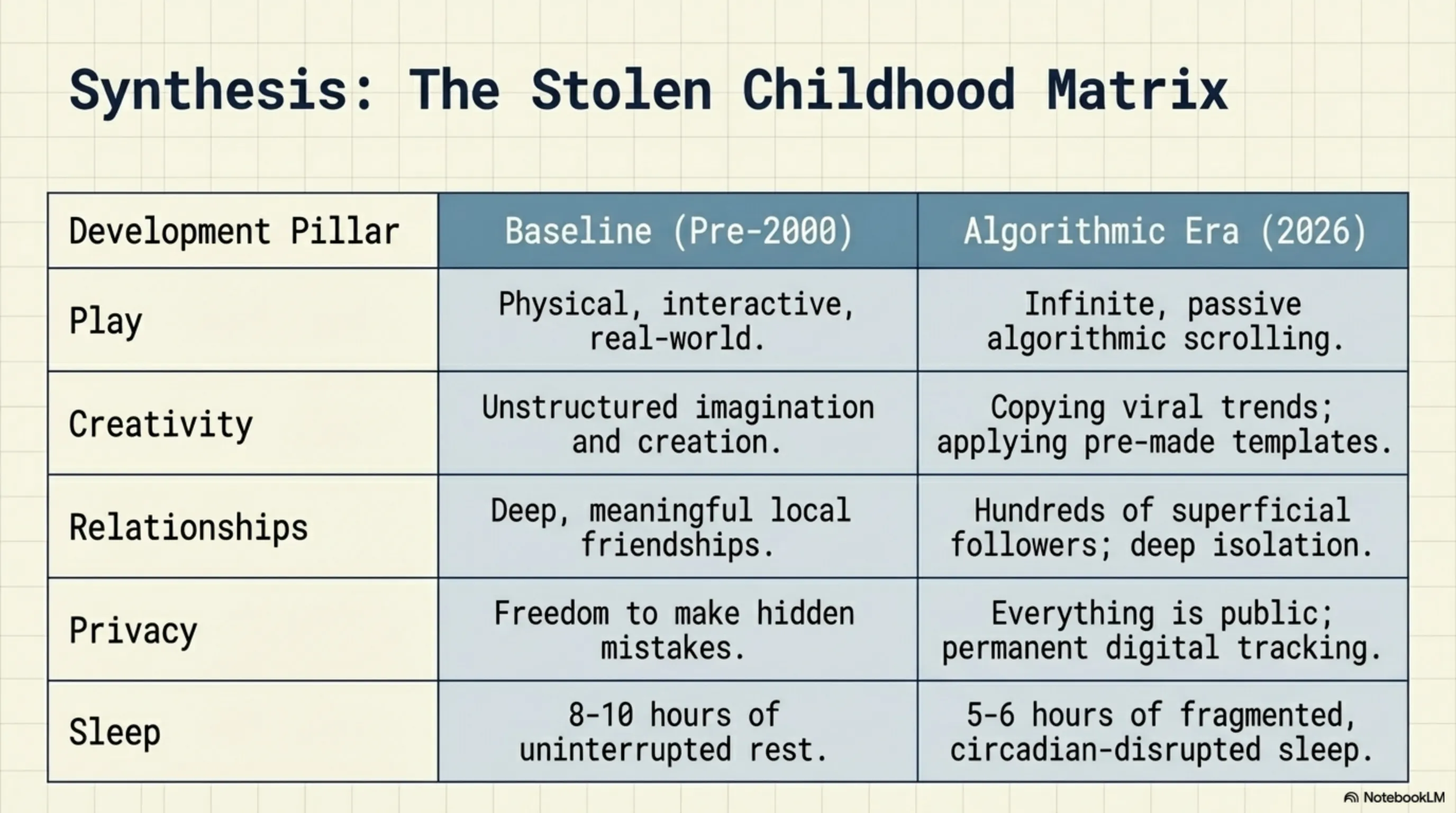
This means "theft of childhood" by content-generating machines. Children and teenagers no longer have the opportunity to:
- Have real play and face-to-face interactions
- Develop creativity and imagination without pre-set templates
- Make mistakes and learn without everything being recorded and published
- Discover their identity slowly and without social pressure
- Have private and personal moments
💔 Bitter Reality: The new generation is growing up in an environment where human value is measured by follower count, likes, and views. They learn to "brand" themselves to be seen, not to be human.
📊 Comparison: Childhood Before and After Social Media
❓ Frequently Asked Questions: Addressing Parents' Concerns
Question 1: Does age restriction really work?
Answer: Age restriction alone isn't enough, but it's an important protective layer. Studies show that countries with stricter laws have lower rates of social media-related mental health problems in teenagers. The key to success is combining age restriction with digital literacy education and parental supervision.
Question 2: My child says all their friends are on social media. What should I do?
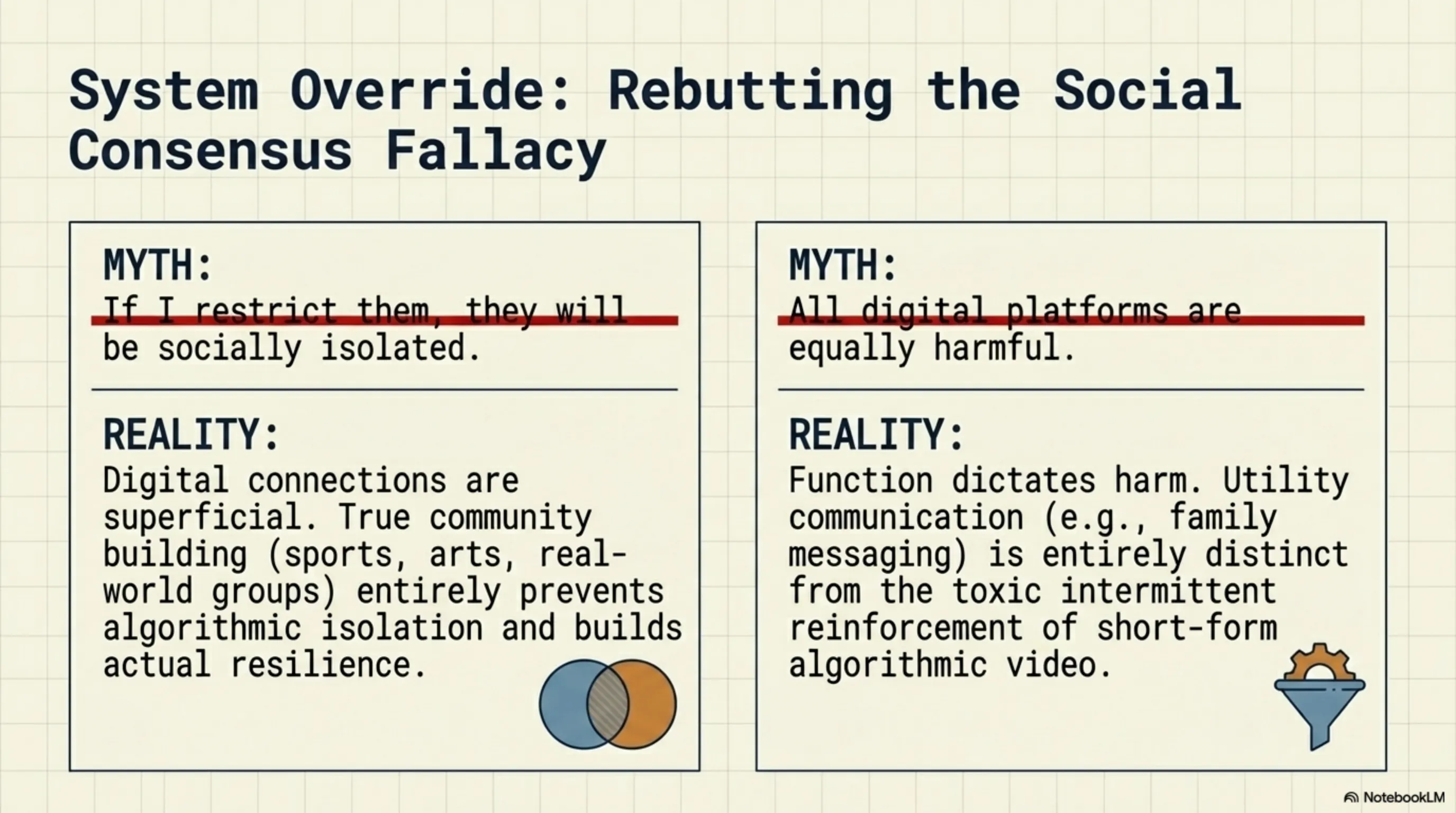
Answer: This is real social pressure, but it doesn't mean you should give in. Explain to your child that "everyone" doing it doesn't mean it's "right." Suggest healthier alternatives like sports clubs, art classes, or group activities that strengthen real and meaningful interactions.
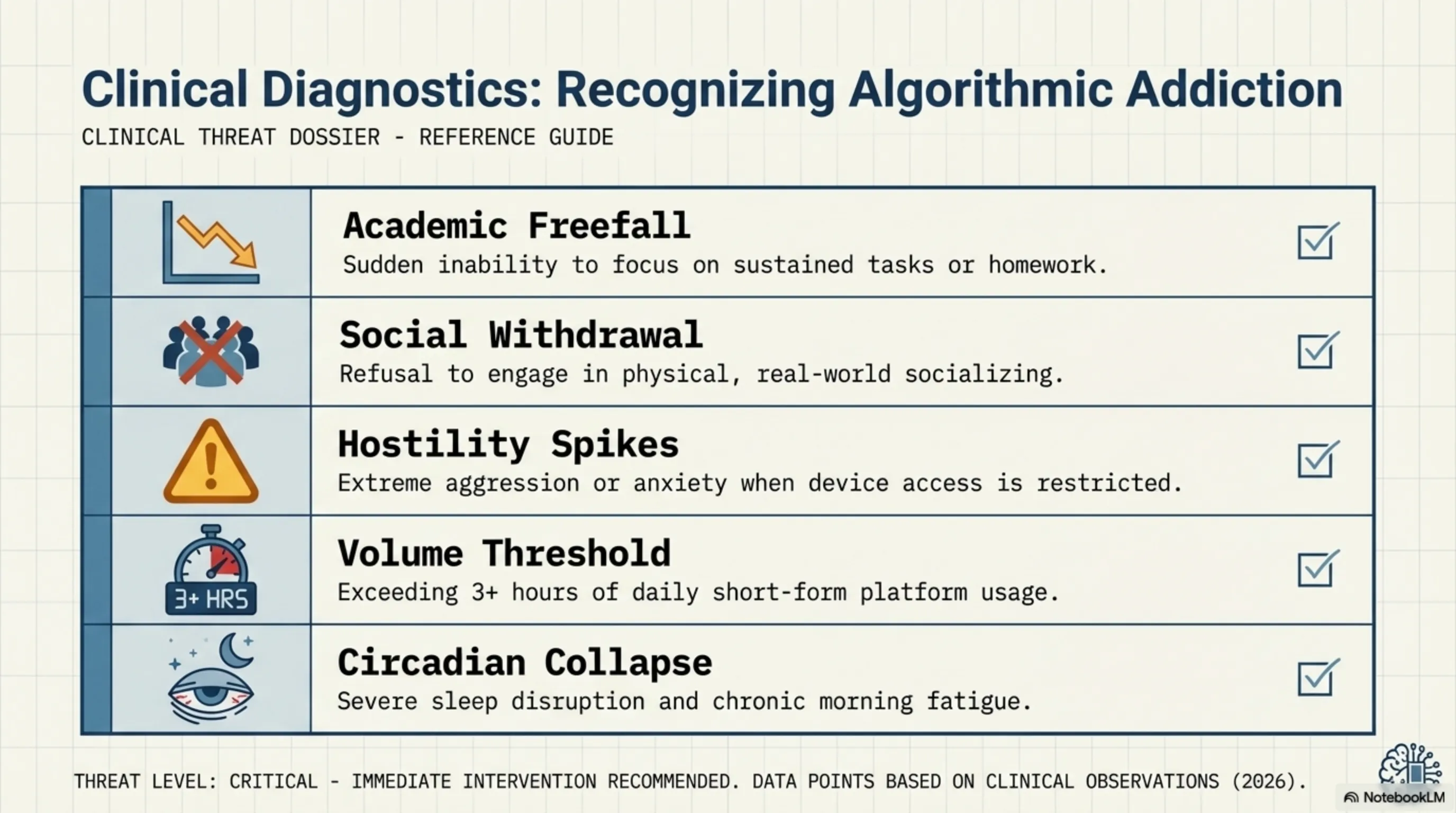
Question 3: How can I tell if my child is addicted to social media?
Answer: Warning signs include: sudden drop in grades, decreased real social interactions, sleep disorders, severe mood changes, anger when phone access is limited, and spending more than 3 hours daily on these platforms. If you observe these signs, consult with a specialist psychologist.
Question 4: Are all social media platforms equally dangerous?
Answer: No. Platforms focusing on short content and addictive algorithms (like TikTok and Instagram Reels) are more dangerous. Platforms focusing on meaningful communication (like family groups on WhatsApp) are less harmful. But all of them need supervision and age restrictions.
Question 5: What age is appropriate to start using social media?
Answer: Based on scientific research, age 16-18 is more appropriate because the prefrontal cortex has developed somewhat and the teenager has better decision-making ability. But even at this age, parental supervision and digital literacy education are essential. There is no absolutely "safe" age.
🛡️ Practical Solutions: How to Protect Our Children
Now that we understand the dangers, it's time to learn practical solutions to protect our children. These solutions are designed based on scientific research and successful experiences of parents worldwide.
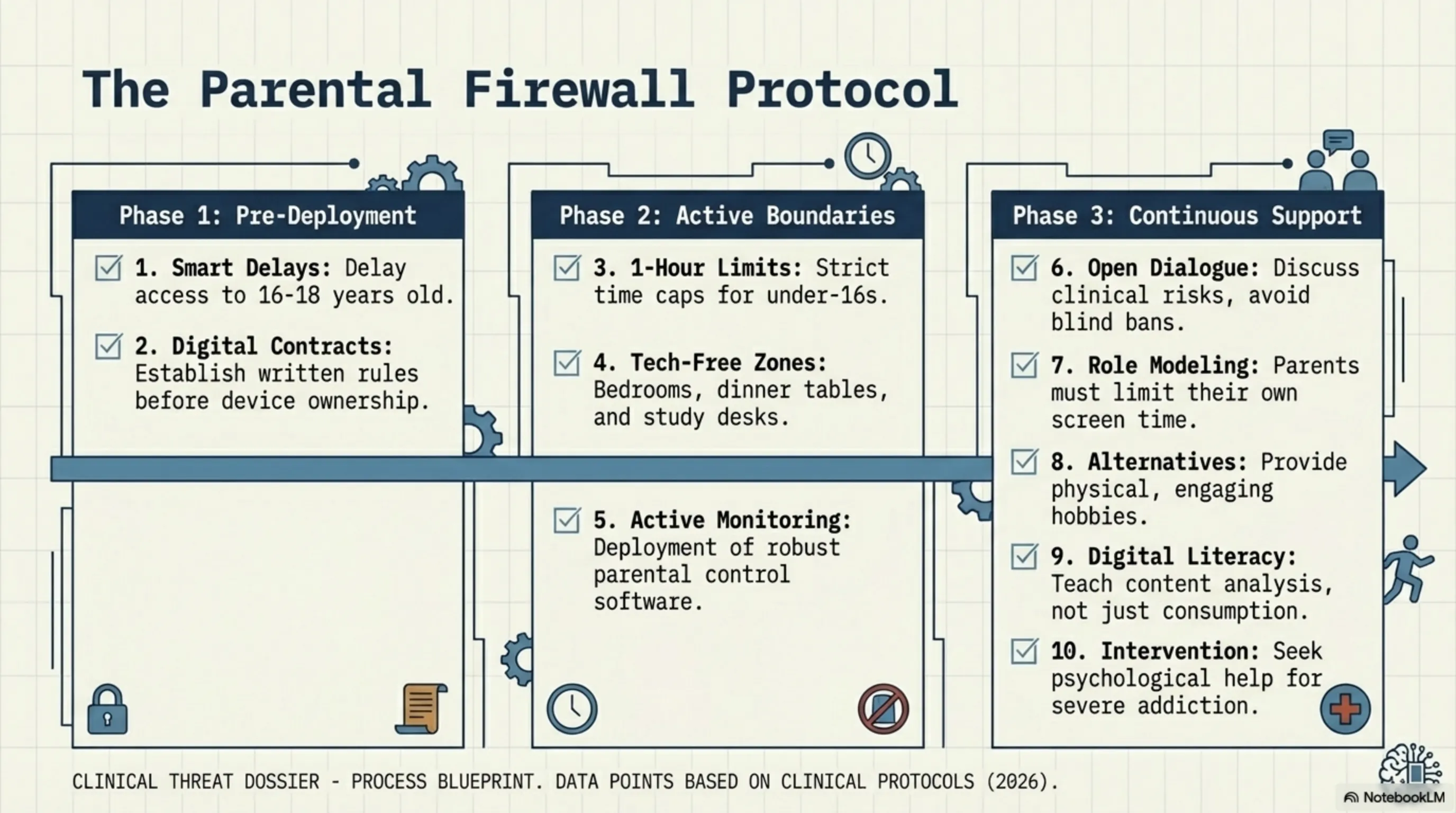
✅ 10 Golden Rules for Parents
- Smart Delay: The later you introduce your child to social media, the better
- Digital Contract: Set clear rules before giving a phone and write them down
- Time Limits: Maximum 1 hour per day for ages under 16
- Phone-Free Zones: Bedroom, dining table, and homework time should be phone-free
- Active Monitoring: Use parental control software
- Open Dialogue: Instead of blind prohibition, talk about the dangers
- Good Example: Limit your own phone use too
- Attractive Alternatives: Suggest real and fun activities
- Digital Literacy Education: Teach your child how to analyze content
- Psychological Support: If you see signs of addiction, immediately consult a specialist
🌐 Stay Connected With Us
For the latest tech, gaming, and gadget news, follow us on social media:
🏁 The Tekin Garage Final Verdict
These platforms are like a turbocharger on a weak engine; excessive pressure causes the cylinder head gasket (nervous system) of the teenager to burn out. Age restriction exists so the driver first learns steering control skills (awareness), then puts their foot on the social media gas pedal.
🎯 Final Conclusion:
The +18 age restriction is not a ceremonial rule, but a scientific defense barrier. The teenage brain is biologically not ready to deal with digital addiction, social pressure, and algorithmic manipulation. Parents, teachers, and society must work together to protect the next generation from this hidden threat.
💪 Remember: As a parent, you are the most powerful filter and best algorithm for your child. Use this power wisely.
📚 Sources and Scientific Studies:
Sources: American Psychological Association (APA), Journal of Adolescent Health, Stanford University Digital Wellbeing Lab, MIT Technology Review, Meta Internal Research (Facebook Files), TikTok Algorithm Analysis 2025-2026, World Health Organization (WHO), National Institute of Mental Health, Common Sense Media Research, Pew Research Center
Social Media Age Limit Scientific Guide 2026 — Research and Analysis: Tekin Editorial Team
🌐 Stay Connected With Us 🎮✨
For the latest tech, gaming, and gadget news, follow us on our official social media channels:
Additional Gallery: 🔞 Why +18 Age Restriction for Social Media is a Scientific Necessity | Complete Parents' Guide 2026