Tekin Review | Silent Hill: Townfall
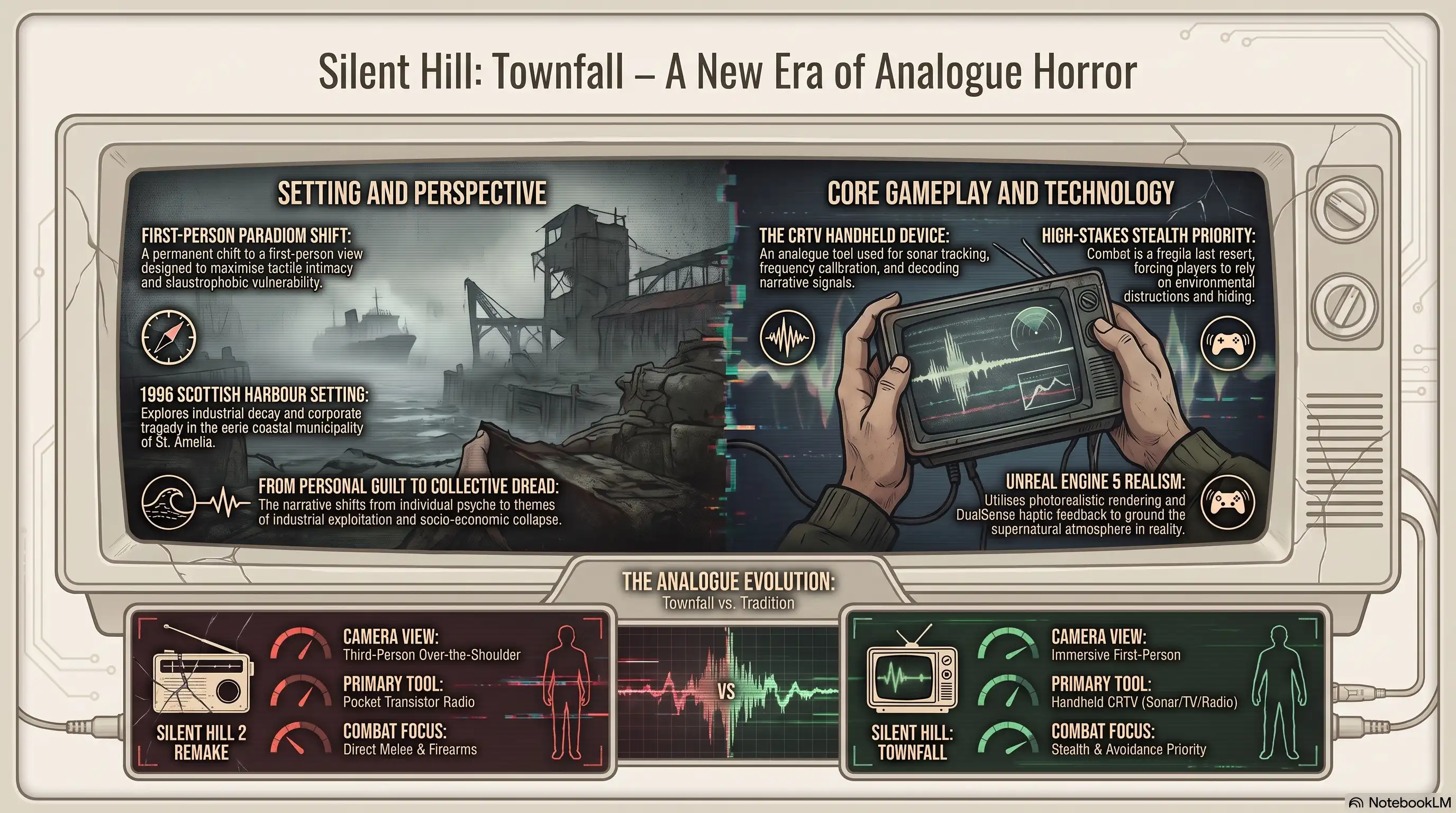
- 🎮First-Person Paradigm Shift- A permanent move to an intimate first-person perspective engineered from day one for claustrophobic immersion.
- 🎧The CRTV Analog Device- A multi-functional handheld CRT television/radio serving as the spine for puzzles, signal tracking, and narrative decoding.
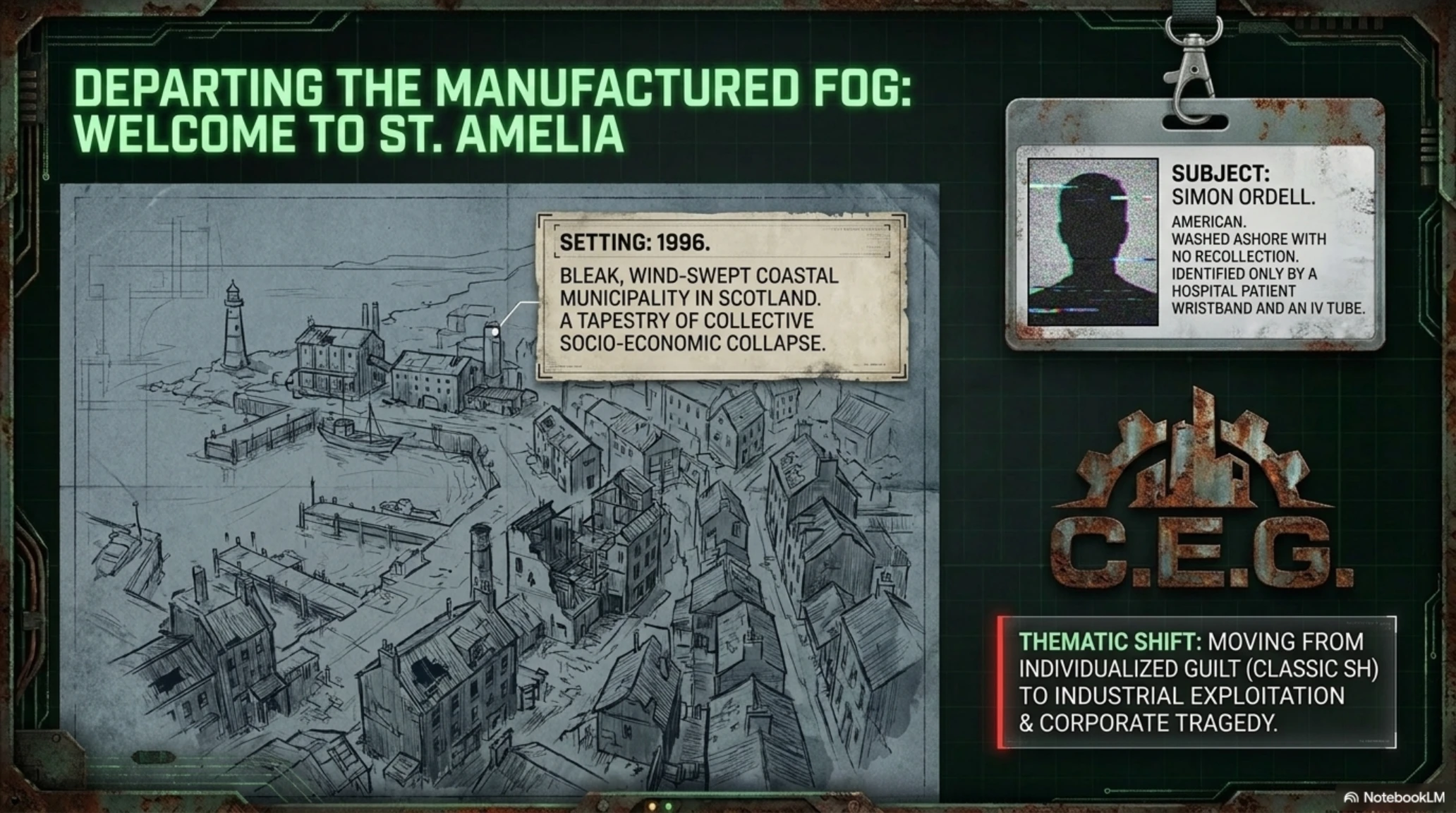
- 🚀1996 Scottish Harbor Setting- Departing from Silent Hill, USA to explore industrial decay and corporate tragedy in St. Amelia, Scotland.
Beyond the Manufactured Fog: Konami’s Bold Renaissance and the Rebirth of Psychological Horror
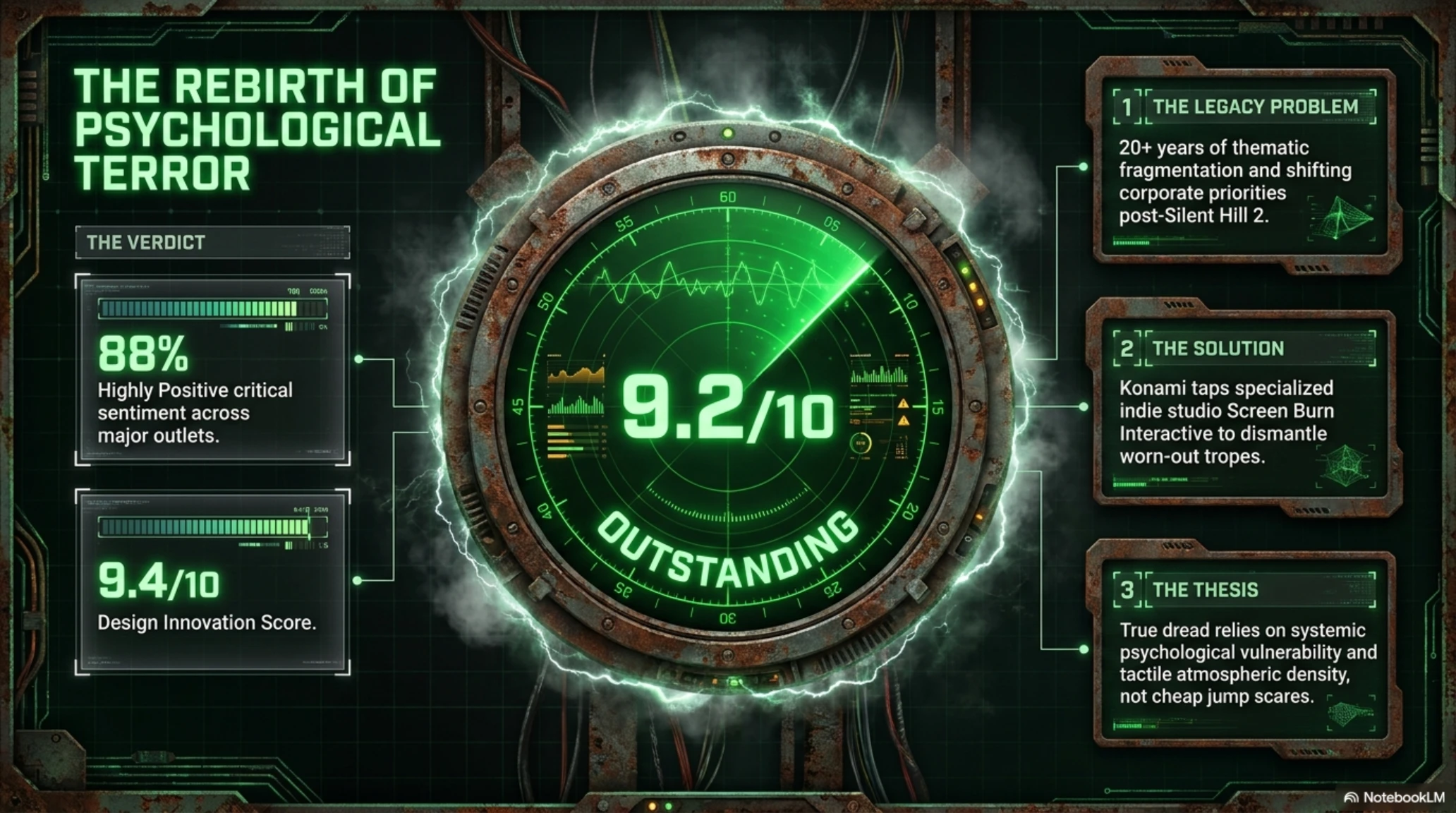
For more than two decades, the psychological survival horror genre has wrestled with the formidable shadow of its own historical legacy. Following the release of the seminal Silent Hill 2 in 2001, Konami’s flagship franchise experienced a protracted period of fragmentation. Shifts between disparate Western development teams, conceptual missteps, and shifting corporate priorities left fans longing for the visceral, cerebral terror that defined the series' golden era. However, recent developments mark a decisive turning point. Major global gaming outlets were granted exclusive three-hour hands-on access to a playable preview build of Silent Hill: Townfall—developed by Glasgow-based Screen Burn Interactive (the studio formed by key creators behind Observation, Stories Untold, and veterans of Alien: Isolation). The consensus emerging from this extensive preview session is clear: Konami has finally embraced the creative audacity required to dismantle worn-out horror tropes and rebuild psychological terror from the ground up.
Silent Hill: Townfall deviates aggressively from established franchise conventions. The game abandons the titular American town, transplanting players into the bleak, wind-swept, and eerie coastal municipality of St. Amelia in 1996 Scotland. Crucially, the entire experience is rendered from a permanent first-person perspective. The game’s core survival, navigation, and puzzle-solving mechanics are tethered to a handheld analog device designated as the CRTV. In this comprehensive Tekin Review, we dissect every layer of the three-hour preview demo—analyzing narrative themes, mechanical innovations, technical execution, and Konami’s overarching strategy for the future of horror gaming.
Historical retrospectives of survival horror demonstrate that genuine dread relies not on cheap jump scares, but on systemic psychological vulnerability and tactile atmospheric density. When No Code (now rebranded as Screen Burn Interactive) was announced as the development team, industry observers recognized their distinct penchant for retro technology and claustrophobic isolation. Their past projects—namely Stories Untold and Observation—showcased an unprecedented mastery of UI-driven horror and analog retro-futurism. The three-hour Townfall preview confirms that this specialized expertise has been fully deployed to reinvigorate Silent Hill for a modern audience without diluting its eerie soul.
From the moment players assume control of protagonist Simon Ordell on the rain-slicked docks of St. Amelia, the environmental fidelity demands meticulous observation. The town is not merely a background canvas for monster spawns; it is a decaying entity steeped in localized Scottish history, industrial exploitation, and quiet tragedy. Every crumbling brick wall, abandoned storefront, and static-filled windowpane reflects a community swallowed by corporate indifference and surreal malevolence.
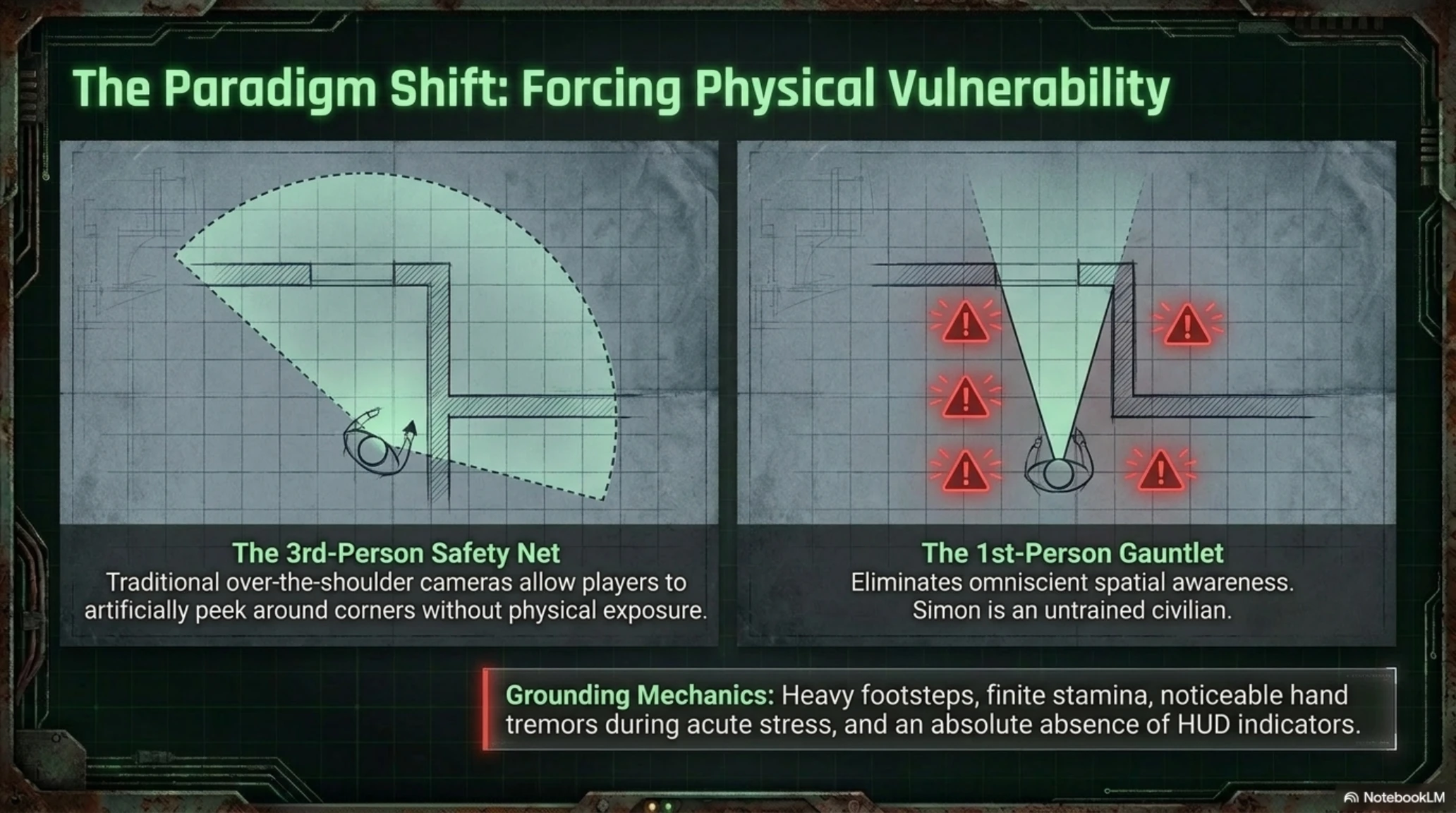
Furthermore, the design philosophy behind Townfall reflects a sophisticated understanding of spatial awareness and sensory deprivation. By locking the camera into an uncompromising first-person view, Screen Burn eliminates the safe, omniscient spatial awareness traditionally afforded by third-person over-the-shoulder cameras. You cannot peek around corners without physically exposing Simon's head; you cannot monitor threats behind you without turning away from the immediate path ahead. This fundamental shift converts every hallway into a gauntlet of genuine vulnerability.
Analyzing the early hours of the demo reveals a deliberate subversion of traditional gaming expectations. Player agency is constantly tempered by physical limitations. Simon does not move with the swift agility of an action hero; his footsteps are heavy, his stamina is finite, and his hands tremble noticeably during periods of acute stress. This grounded physical modeling bridges the gap between player perception and avatar vulnerability, ensuring that every encounter feels fraught with existential danger.
In addition, the environmental interactions are rendered with meticulous physical detail. Inspecting objects requires manually lifting documents, manipulating vintage dial switches, or opening cabinet drawers one by one. The absence of automated loot collection or glowing UI icons forces players to engage directly with the environment, searching through realistic clutter with genuine diligence. This organic interaction loop significantly deepens environmental immersion.
The pacing of the opening acts establishes a slow-burn psychological tension. Rather than hurling monstrous abominations at the player immediately, Screen Burn allows the uncanny atmosphere of St. Amelia to soak in. The creaking of rusted harbor machinery, the flicker of dying fluorescent lights in abandoned convenience stores, and the distant hum of high-voltage power lines create a sensory tapestry that heightens anticipation long before the first enemy manifests.
Moreover, the deliberate absence of reassuring HUD indicators forces players to interpret auditory and visual feedback directly from the surrounding space. The player's heart rate naturally synchronizes with Simon's labored breathing when hiding in tight spaces, proving that Screen Burn has successfully translated visceral physical dread into interactive game mechanics.
Key Takeaways from 3 Hours of Gameplay
- Designed from inception as a first-person experience to maximize tactile intimacy and vulnerability.
- The handheld CRTV device merges CRT video scanning and radio frequency calibration as the core gameplay loop.
- Combat is desperate and fragile; stealth, environmental distraction, and resource management take priority.
- Explores industrial tragedy and corporate exploitation in 1996 Scotland via environmental storytelling.
The Suffocating Atmosphere of St. Amelia: Industrial Decay and Localized Tragedy
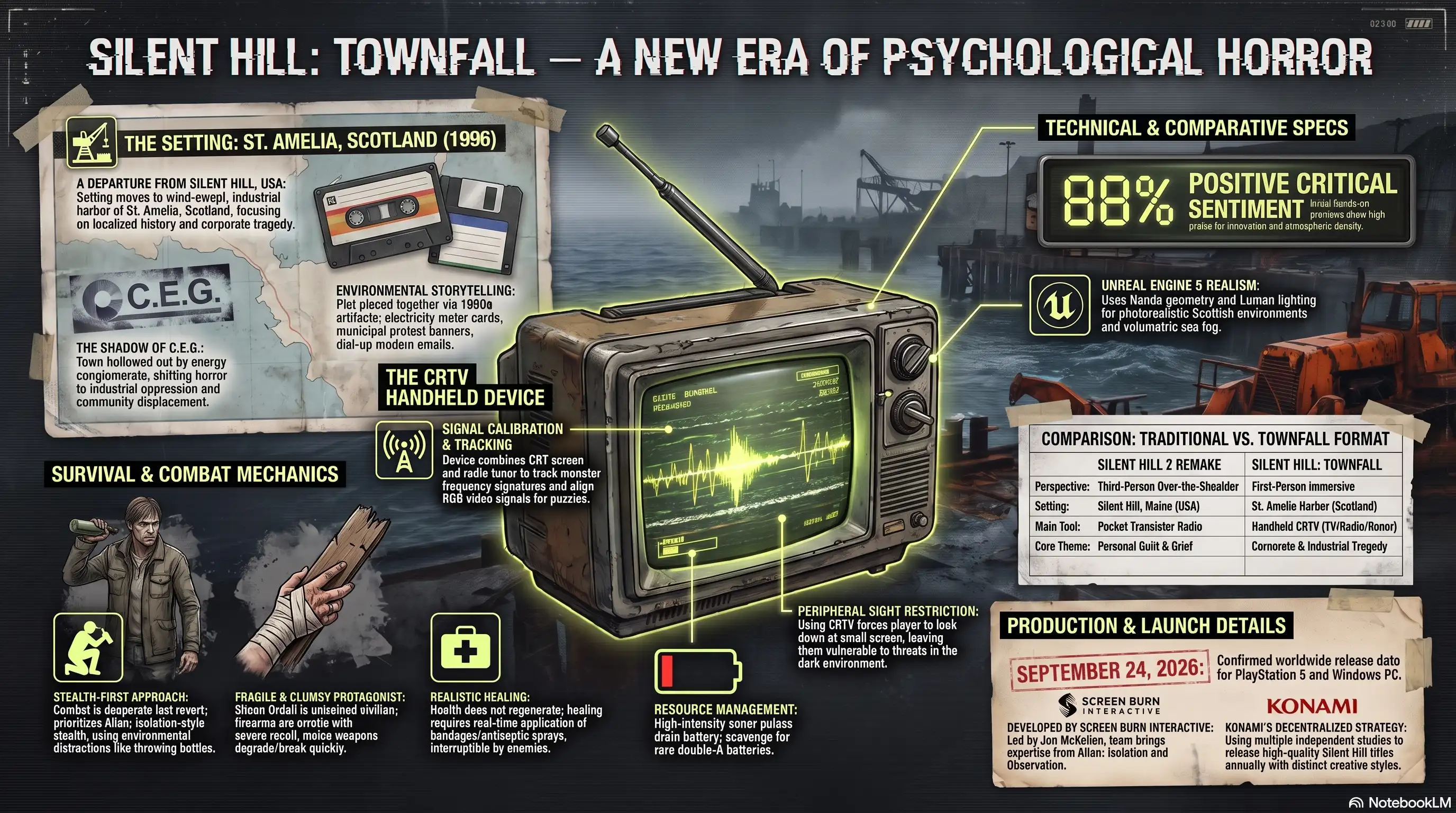
The narrative protagonist of Silent Hill: Townfall is Simon Ordell, an American who awakens washed ashore on the desolate docks of St. Amelia. He carries no explicit recollection of how he arrived, bearing an intravenous tube attached to his arm and a hospital patient wristband. Unlike classical entries where the nightmare realm manifested as an individualized mirror of personal guilt, St. Amelia presents a haunting tapestry of collective socio-economic collapse. Once a bustling Scottish fishing port, the town has been devoured and abandoned under the shadowy influence of an industrial energy conglomerate known as C.E.G.
Every storefront, residential flat, and narrow alleyway in St. Amelia drips with meticulously crafted environmental texture. Players encounter abandoned missing cat flyers, liquidation sale notices, faded family portraits on peeling wallpaper, and vintage desktop computers requiring dial-up modem handshakes to access corporate emails. Game Director Jon McKellan emphasizes that the 1996 Scottish backdrop was chosen deliberately to anchor the game's psychological terror in a specific cultural and historical reality. "Silent Hill manifests differently for different people," McKellan explained during media briefings. "Just as Silent Hill f transplanted horror to 1960s Japan, Townfall uses 1990s Scotland to explore industrial oppression, community displacement, and deep-seated regret."
The environmental density of St. Amelia extends into its intricate architectural layouts. Players navigate claustrophobic tenement corridors, damp stairwells, abandoned visitor centers, and deteriorating harborside warehouses. Exploring these environments yields tangible narrative rewards: players piece together localized lore by examining electricity meter payment cards (Payment Meter Cards), municipal protest banners, and fragmented police logs. This environmental storytelling creates an immersive sense of place that elevates Townfall above generic survival horror settings.
Auditory environmental cues play an equally vital role in establishing St. Amelia's oppressive mood. The relentless pounding of icy North Sea waves against harbor sea-walls, the distant groaning of rusted industrial cranes, and the constant whistle of coastal winds create an acoustic backdrop that keeps players perpetually on edge. This seamless integration of visual decay and acoustic realism underscores Screen Burn’s commitment to world-building excellence.
St. Amelia's level design also incorporates classic survival horror navigation principles. Interconnected street grids feature locked gates, collapsed sea-walls, and flooded underpasses that require non-linear exploration to bypass. Without modern GPS waypoints or intrusive HUD overlays, players must rely on street name plaques, physical town maps posted at bus stops, and landmarks to navigate. This spatial mastery restores a sense of meaningful orientation to modern survival horror.
Furthermore, the environmental storytelling exposes the tragic human cost of C.E.G.'s corporate presence. Personal diaries uncovered in abandoned flats detail how local workers were exposed to strange resonant acoustic frequencies, resulting in widespread insomnia, psychological degradation, and eventual mass disappearances. This contextual grounding transforms St. Amelia into a living monument to industrial exploitation and cosmic dread.
Why It Matters for the Horror Gaming Industry
Market Sentiment & Player Expectation Radar
Design Innovation Score: 9.4/10 (Praised for CRTV analog mechanics and intimate first-person view).
Commercial Outlook: Projected strong multi-platform launch performance on PS5 and PC.
The CRTV Handheld Device: Mechanics, Signal Calibration, and Analog Tension
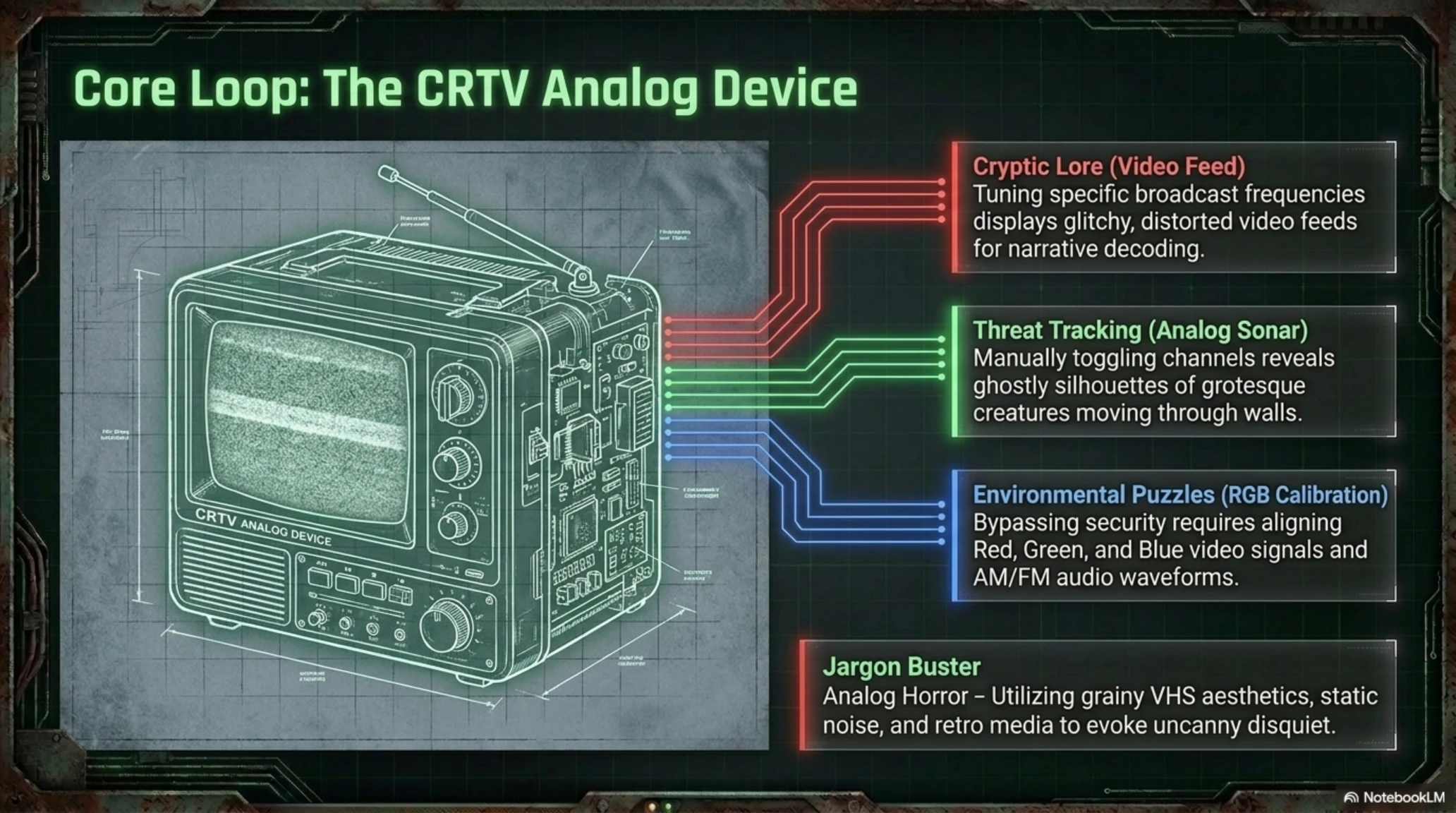
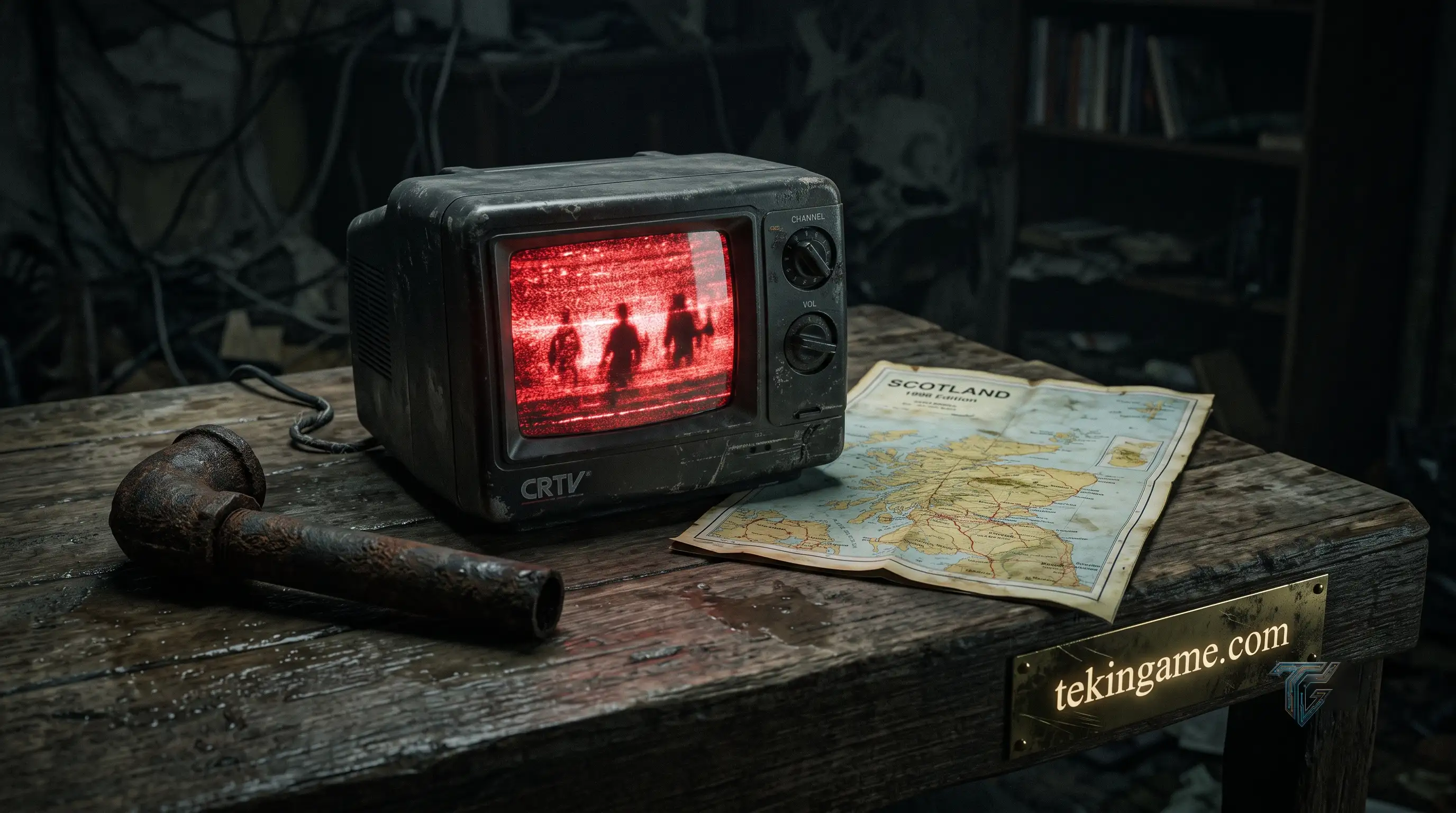
At the center of Silent Hill: Townfall’s design language sits the CRTV—a portable combination of a small cathode-ray tube television screen, an AM/FM radio tuner, and a signal spectrum analyzer. Resembling retro Sony Watchman units from the 1990s, the CRTV expands significantly upon the iconic transistor radio used in Silent Hill 2. While the classic radio merely emitted static audio signals to alert players to nearby threats, the CRTV serves as an active, multi-tiered interactive instrument.
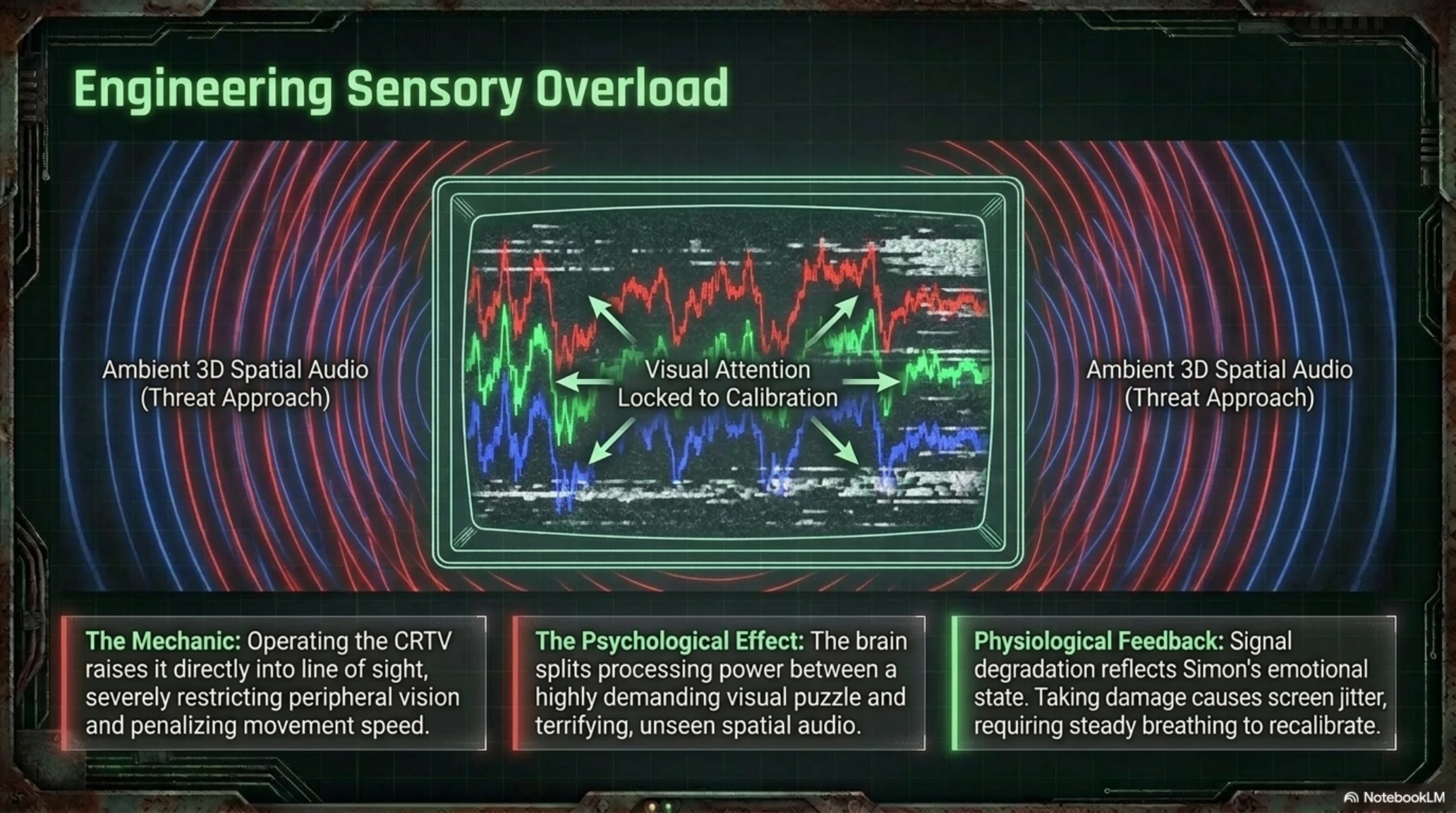
Throughout the preview playthrough, the CRTV demonstrated three distinct gameplay applications. First, tuning into specific broadcast frequencies displays glitchy, distorted video feeds that provide cryptic clues for environmental puzzles and narrative lore. Second, the device functions as an analog sonar for threat tracking. Monsters in St. Amelia emit distinct frequency signatures. By manually toggling between channels while hiding in shadows, players can view ghostly silhouettes of grotesque creatures moving through fog or behind structural walls. Third, calibrating environmental radio receivers across St. Amelia requires aligning RGB video signals in multi-step calibration sequences. This mechanical layer forces players to divide their physical attention between a small in-game screen and the perilous environment surrounding them.
The mechanical genius of the CRTV lies in how it manipulates player cognition. When operating the device, Simon raises the small screen directly into his field of vision. This action restricts the player's peripheral sightlines; while you are carefully tweaking the analog dial to align red, green, and blue wave patterns, you remain partially blind to ambient movements in the dark corridor ahead. The unsettling sounds of shuffling feet, wet gurgling breathing, or dragging metal grow increasingly audible in the game's 3D audio mix, creating a state of sensory overload and panic.
Furthermore, puzzle design in Townfall relies heavily on decoding signal frequencies. Certain locked doors and corporate security systems in St. Amelia can only be bypassed by matching specific AM/FM audio frequencies broadcast from distant transmission towers. Players must analyze waveform graphs on the CRTV screen, adjust frequency multipliers, and cross-reference audio hints uncovered in surrounding documents. This seamless synthesis of analog technology and puzzle mechanics ensures that the CRTV feels integral to the world rather than a superfluous mini-game gimmick.
From a technical aesthetic standpoint, the CRTV screen rendering captures authentic 1990s CRT distortion artifacts. Screen Burn implemented realistic glass curvature, vertical scanline refresh rates, screen bloom, and electromagnetic interference patterns. As a monstrosity draws within immediate proximity, the screen static intensifies exponentially, bursting into violent visual noise and ear-piercing frequency squeals that serve as a terrifying acoustic alarm.
The device also functions as a psychological bridge between Simon's fracturing mind and St. Amelia's external nightmare. In certain story sequences, the CRTV intercepts haunting audio-visual memories from former residents, allowing players to witness past events in grainy, black-and-white video fragments. This mechanical dual-purpose elevates the device from a mere tactical tool to a central narrative engine.
Operating the device requires careful tactical deliberation. Players cannot move at full sprinting speed while inspecting the screen, creating a high-stakes trade-off between spatial mobility and threat awareness. Navigating dark alleys while constantly glancing between the physical environment and the static-filled CRTV display establishes a rhythm of sustained suspense unmatched in recent survival horror releases.
In addition, signal degradation dynamically reflects Simon's emotional state. When Simon suffers damage or encounters horrifying sights, screen jitter increases and signal alignment becomes erratic, requiring players to steady their breathing before recalibrating. This physiological feedback loop deepens avatar empathy in ways rarely achieved in first-person horror design.
The battery power governing the CRTV also introduces inventory tension. While basic frequency scanning consumes minimal power, activating high-intensity sonar pulses rapidly drains battery reserves. Players must scrounge for rare double-A batteries in residential drawers and office desks, adding another crucial layer of resource management to exploration.
Jargon Buster: Analog Horror & Signal Alignment Mechanics
RGB Frequency Calibration: The in-game mechanical process of manually adjusting red, green, and blue wave channels on the CRTV device to isolate encrypted audio-visual transmissions.
Desperate Survival: Fragile Melee, Unstable Marksmanship, and Alien: Isolation-Grade Stealth
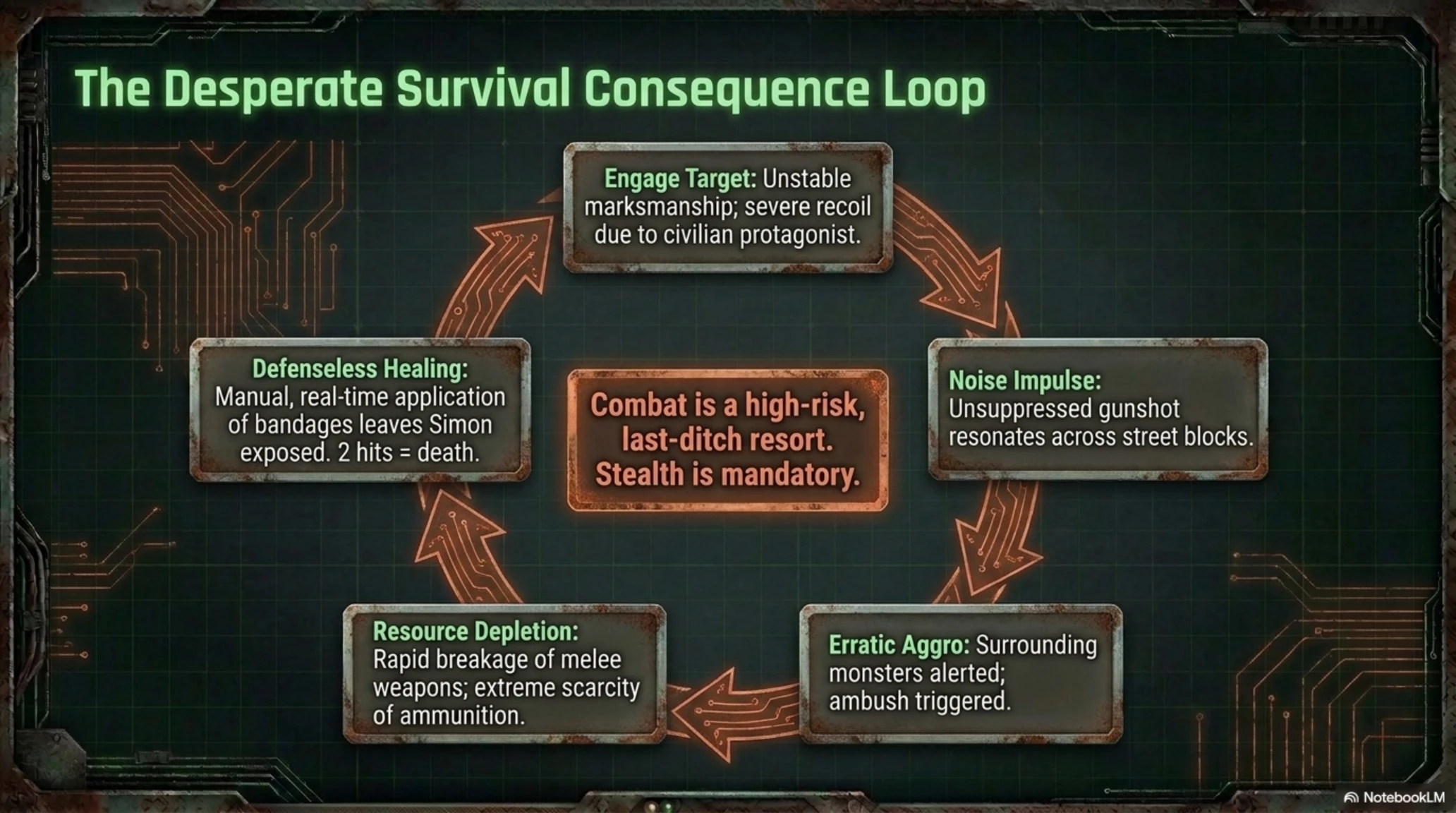
Combat in Silent Hill: Townfall is explicitly designed as a high-risk, last-ditch resort rather than a primary solution. Simon is an untrained civilian; aiming firearms is deliberate, erratic, and heavily affected by physical sway and tension. Weapon recoil is severe, and ammunition is exceedingly scarce. Furthermore, melee weapons—such as wooden planks or rusted pipes—degrade rapidly upon impact and break after minimal usage.
Screen Burn Interactive’s expertise in stealth design shines through in the encounter systems of St. Amelia. Players are encouraged to navigate around threats by using environmental distractions and spatial awareness. Glass bottles and bricks can be thrown to trip car alarms or shatter windows, drawing monstrosities away from key objectives. Dedicated lean mechanics allow players to peer around corners, while cupboard enclosures offer temporary refuge. Managing your movement noise while listening to the wet, shuffling footsteps of naked, contorted creatures creates a level of claustrophobic tension reminiscent of Alien: Isolation.
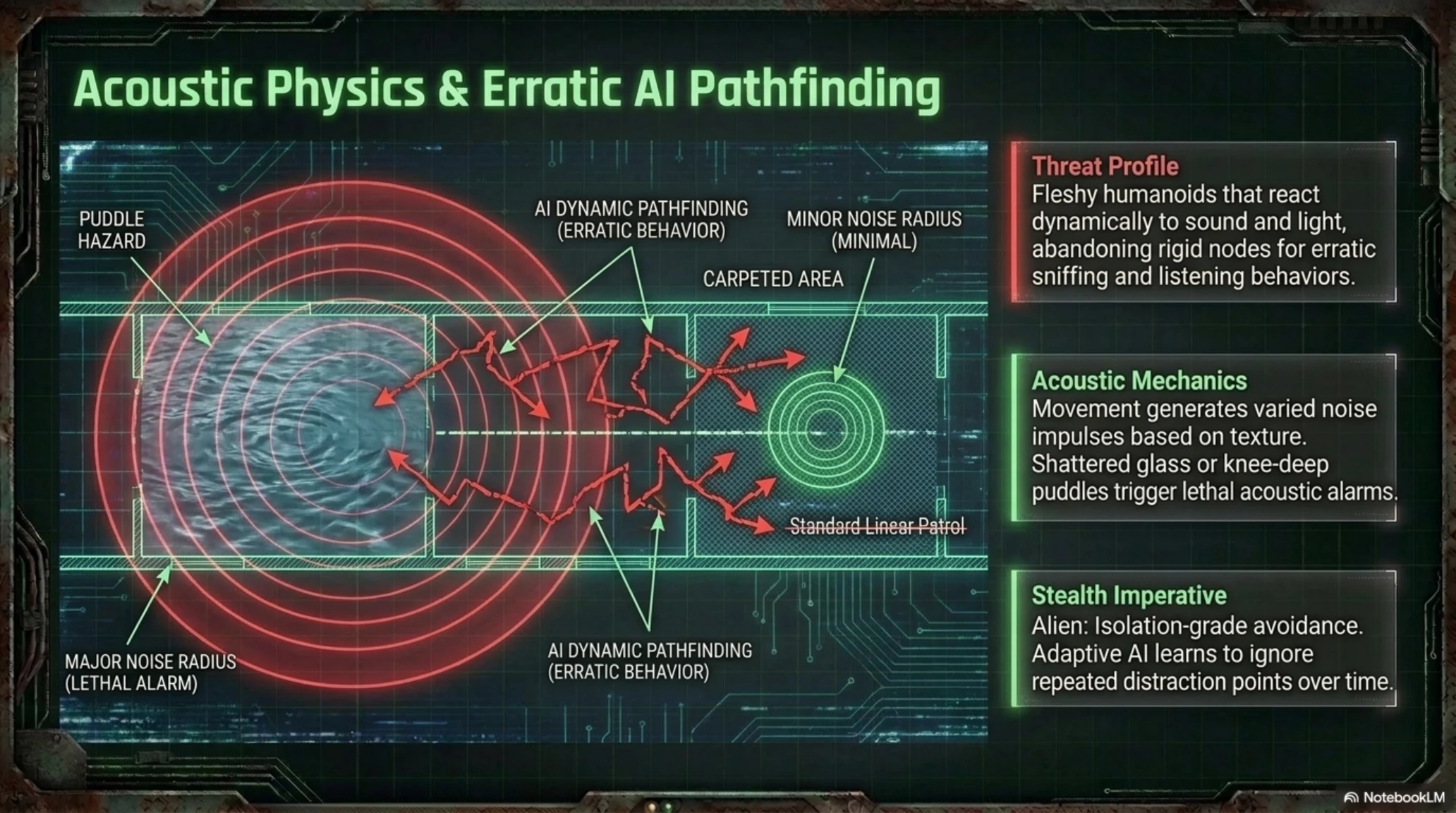
The creature design in Townfall emphasizes uncanny body horror and unpredictable behavior patterns. The monsters of St. Amelia are fleshy, contorted, and seemingly skinless humanoids that react dynamically to sound and light. Unlike standard video game enemies that follow rigid patrol nodes, these entities possess erratic pathfinding algorithms. They will pause to sniff the air, lean against walls to listen for footsteps, or abruptly double back through doorways. If a creature detects Simon, direct physical engagements are brutal; two melee strikes from an enemy are sufficient to incapacitate the player.
Consequently, managing inventory resources becomes an exercise in calculated risk. Every pistol bullet or health bandage discovered in an abandoned cupboard feels vital. Firing a gun inside an enclosed space carries severe consequences: the loud report alerts every creature within a wide radius, turning a single manageable encounter into a chaotic, lethal ambush. Players are thus incentivized to plan stealth routes meticulously, utilizing environmental noise traps and shadow concealment to survive.
Acoustic physics also dictate enemy perception. Walking over shattered window glass or dry floorboards generates noise impulses that instantly draw nearby creatures. Players must carefully regulate their movement speed, select soft carpeted pathways, and toggle flashlights off when passing near sensitive enemies. This deep stealth infrastructure enforces a slow, deliberate pace that heightens dread throughout the preview experience.
Furthermore, health recovery mechanics mirror the realistic vulnerability of the protagonist. Simon does not automatically regenerate health over time. Healing requires finding scarce medical supplies, such as vintage antiseptic sprays and bandages, which must be applied through real-time inventory interactions. Being attacked while attempting to heal interrupts the action and leaves Simon defenceless, reinforcing the imperative of avoiding direct combat whenever possible.
Environmental interactions during encounters offer creative tactical freedom. Players can slide deadbolts on heavy oak doors to temporarily trap advancing monstrosities, granting precious seconds to solve a nearby lock mechanism or retreat down an alternate escape corridor. This interactive spatial design transforms every building into a dynamic survival puzzle.
The enemy AI also adapts to repeated distraction tactics. Throwing multiple bottles into the same corner eventually causes creatures to search surrounding hiding spots rather than investigating the noise origin blindly. This reactive AI prevents stealth encounters from devolving into predictable routines, maintaining authentic tension throughout the playthrough.
Player movement sound is also influenced by environmental moisture. Walking through knee-deep puddles in flooded basements generates loud splashing sounds that resonate down damp corridors, forcing players to move at a slow crawl or seek dry elevated walkways to evade patrolling threats.
Rumor vs. Reality: Has Silent Hill Gone Action-Oriented?
Reality: Completely unfounded. The three-hour preview confirmed that firearms are clumsy, aiming is unstable, and firing a single unsuppressed shot alerts surrounding monsters across entire street blocks, making stealth imperative.
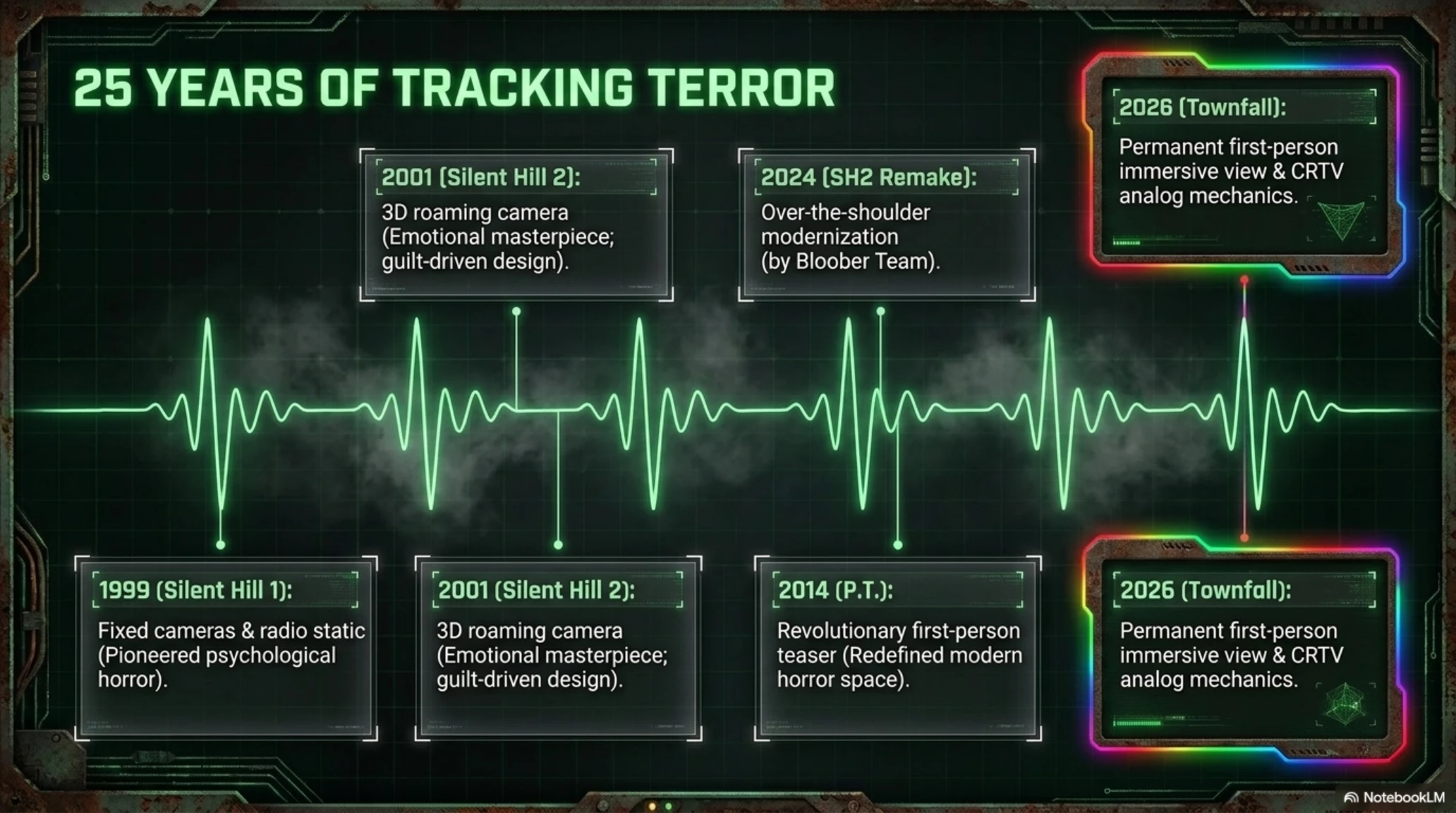
Timeline of Major Silent Hill Innovations
| Year | Title | Key Innovation & Perspective |
|---|---|---|
| 1999 | Silent Hill 1 | Pioneered psychological horror with fixed cameras and radio static |
| 2001 | Silent Hill 2 | Emotional masterpiece establishing guilt-driven monster design |
| 2004 | Silent Hill 4: The Room | Initial experimentation with first-person apartment segments |
| 2014 | P.T. (Silent Hills) | Revolutionary first-person teaser redefining modern horror space |
| 2024 | Silent Hill 2 Remake | Successful over-the-shoulder modernization by Bloober Team |
| 2026 | Silent Hill: Townfall | First-person, Scottish setting, and CRTV analog horror mechanics |
Director Jon McKellan on Ambiguity, Narrative Theory, and the Legacy of Silent Hill 2
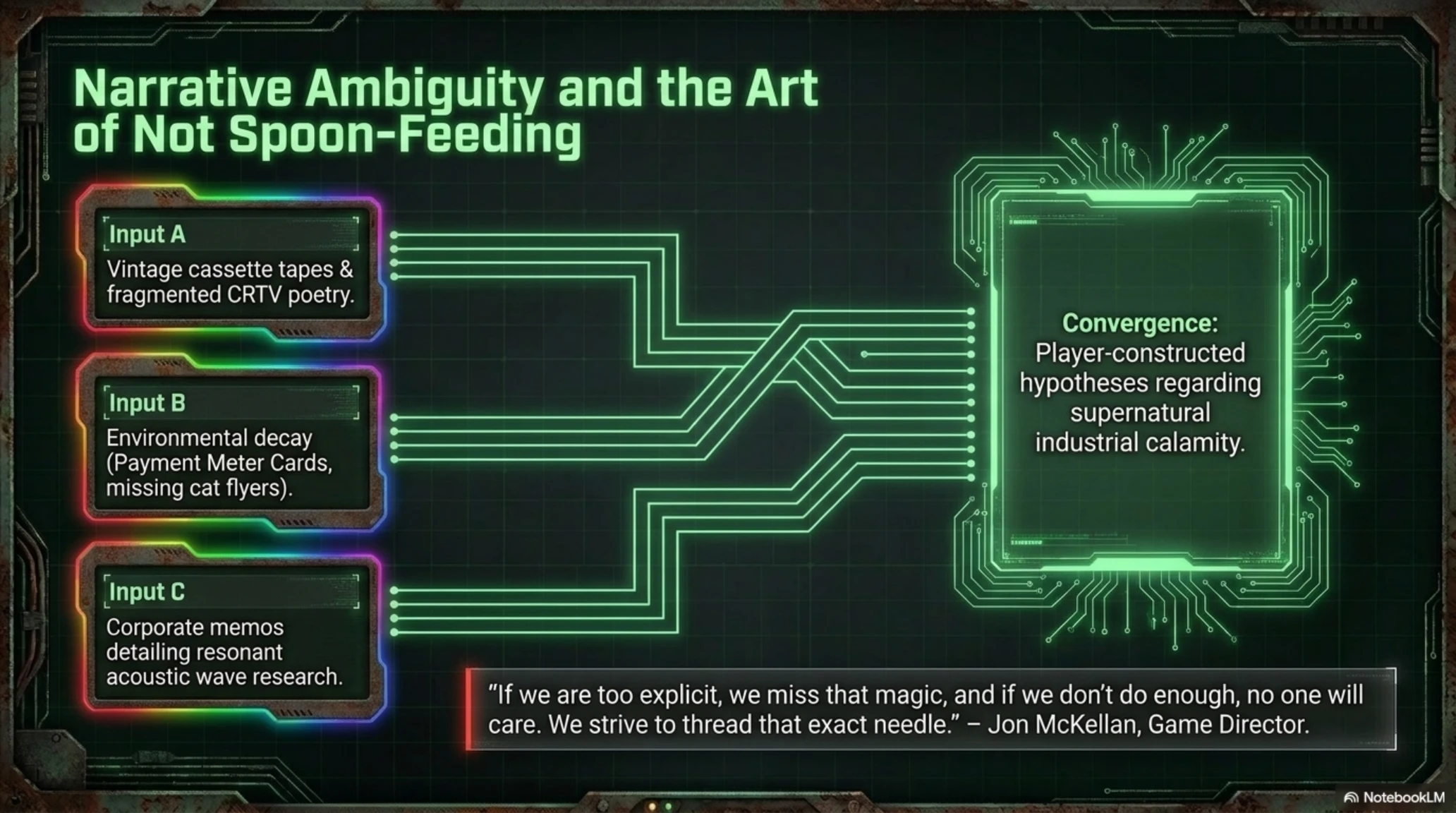
One of the most striking aspects of Silent Hill: Townfall is its refusal to offer spoon-fed narrative explanations. Throughout the three-hour demo, players are not handed neat expositional monologues regarding Simon’s background or the exact nature of C.E.G.’s industrial calamity. Storytelling relies entirely on environmental clues, audio tapes recorded on vintage cassettes, encrypted CRTV broadcasts, and discarded personal letters.
Speaking in media roundtables, McKellan elaborated on the philosophy behind Townfall’s storytelling. He emphasized that maintaining narrative ambiguity is crucial to preserving long-term psychological impact. "As developers, we know every secret and canonical answer," McKellan noted. "The challenge is leaving sufficient structural breadcrumbs so that players feel compelled to dissect the lore for years after launch, without feeling alienating or arbitrary." This commitment to open-ended interpretation places Townfall directly in conversation with the intellectual legacy of classic psychological horror.
The non-linear lore delivery of the preview build demonstrates that every piece of documentation serves as a critical structural component of a larger puzzle. For instance, a letter discovered in St. Amelia's abandoned municipal office details growing community anger over C.E.G.'s ecological violations, while corporate memos retrieved from desktop computers reveal secret research into resonant audio waves. By synthesizing these disparate sources, players construct their own hypotheses regarding how industrial avarice intersected with supernatural nightmare realms.
According to Tekin Review analysts, this narrative approach requires extraordinary writer discipline. Over-explaining mechanics or plot points destroys horror by converting surreal dread into routine logic; under-explaining leads to narrative apathy. The preview build confirms that Screen Burn has mastered this delicate equilibrium, crafting a story designed to ignite community discussion and fan theories for years to come.
Thematic analysis of Simon's character arc hints at deep personal complicity. His medical wristband, IV tubing, and recurring audio hallucinations of clinical intercom announcements suggest he may have been a former C.E.G. researcher or test subject attempting to escape containment. This layers individual psychological guilt atop collective socio-industrial tragedy, honoring Silent Hill 2's emotional DNA while introducing novel systemic themes.
Furthermore, narrative subversion manifests in how NPCs and tape recordings communicate. Messages received over the CRTV screen do not offer explicit guidance; instead, they communicate in fragmented poetic riddles and distorted warnings. The voices on broadcast channels fluctuate between mechanical corporate automated announcements and agonized personal pleas, constantly challenging the player's perception of reality.
This layers of interpretive depth encourages players to re-examine previously visited locations. Returning to an apartment flat after discovering a corporate password file reveals new context behind ordinary domestic items, turning routine backtracking into a rewarding narrative experience.
The developer's insistence on emotional resonance over sensational shock value is evident in every scene. Rather than relying on gory spectacle, Townfall cultivates a melancholic dread rooted in human loss, industrial decay, and broken promises. This sophisticated emotional palette distinguishes it from conventional horror offerings.
Analyzing the dialogue rhythm reveals a understated, naturalistic tone. Voice actors deliver lines with muted exhaustion and subtle panic, avoiding melodramatic theatrics. This realistic performance capture grounds the surreal events in believable human vulnerability, making the psychological impact far more profound.
Additionally, visual motifs of water and static recur throughout St. Amelia's architecture. Flooded basements, damp wallpaper, and constant coastal rainfall symbolize drowning under suppressed trauma and industrial corruption. This thematic coherence reinforces Screen Burn's artistic vision across every environmental layer.
📚 Classified & Related Dossiers in TekinGame
If you wish to explore beyond this report and delve into cybernetic frontiers and autonomous AI architectures, do not miss these three exclusive deep-dives in the Tekin Garage:
Key Statistics: 3-Hour Hands-On Preview & Development
1996: The year in which St. Amelia's tragedy unfolds.
September 24, 2026: Confirmed worldwide release date on PS5 & PC.
1 CRTV Unit: The central device driving puzzles, stealth, and lore.
Technical Architecture: Unreal Engine 5 Realism and DualSense Haptic Precision
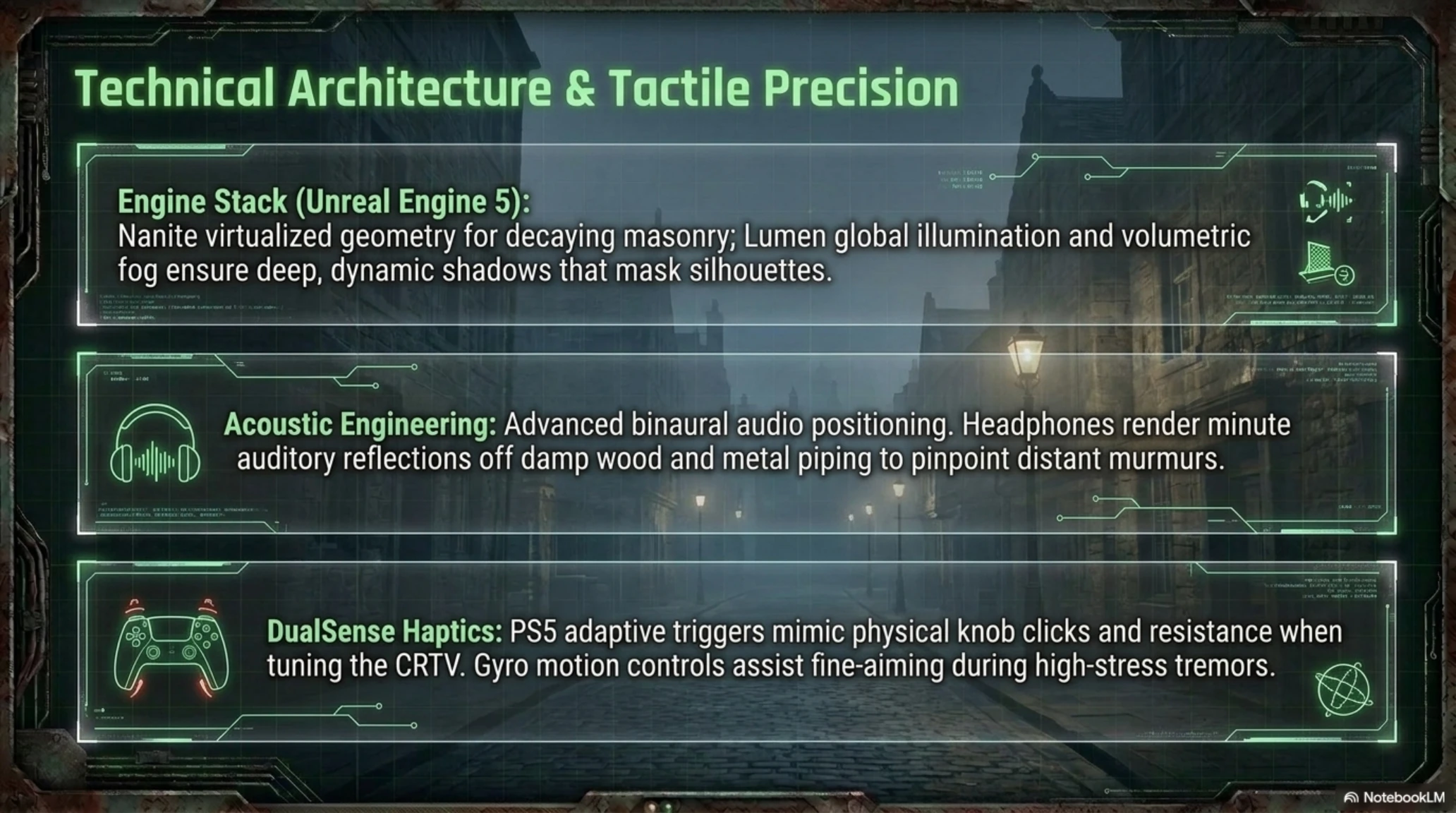
Visually, Silent Hill: Townfall leverages Unreal Engine 5 to construct a photorealistic, atmosphere-heavy render of coastal Scotland. Environmental lighting dynamically filters through sea fog, casting realistic reflections across slick cobblestones and rain-streaked windowpanes. Detailed interior modeling captures subtle domestic details—from scraped wallpaper indicating relocated furniture to dust motes floating in static-drenched rooms.
On PlayStation 5, Screen Burn Interactive utilizes the DualSense controller’s haptic engine to amplify tactile realism. Tuning the CRTV dials produces resistance in the adaptive triggers, mimicking physical knob clicks, while the gyro motion controls assist fine-aiming during high-stress encounters. Auditory design is similarly striking: composer Pilotpriest blends dark synth waves, low-frequency atmospheric thrums, and unsettling analog static into a score that pays homage to Akira Yamaoka’s foundational compositions while forging a distinct acoustic identity.
The technical implementation of volumetric fog and dynamic shadow rendering in Unreal Engine 5 plays a crucial role in maintaining psychological tension. Light sources in St. Amelia are sparse and weak: the dim beam of Simon's flashlight cuts through mist with realistic light scattering, while the yellow glow of the CRTV screen casts shifting shadows across nearby surfaces. The interplay between deep shadows and uncertain silhouettes constantly tricks the player's vision, making routine exploration feel inherently dangerous.
Furthermore, Nanite virtualized geometry and Lumen global illumination enable photorealistic rendering of decaying Scottish masonry, wet tarmac, and rusted metal fixtures. Combined with spatial 3D audio pipelines that pinpoint distant enemy murmurs and echoing footsteps, the technical execution establishes a benchmark for current-generation psychological horror rendering.
The acoustic engineering deserves special recognition. Using advanced binaural audio positioning, player headphones render minute auditory reflections off stone walls, damp wood, and metal piping. Listening to the distant gurgle of a creature moving through an overhead ceiling vent provides vital spatial intelligence while delivering pure visceral chills.
Performance stability across the preview build was notably robust. Frame rates remained locked at target performance metrics on PlayStation 5 and high-end PC hardware, even during complex volumetric fog passes and multi-light reflection rendering. This technical polish ensures that immersion is never broken by technical hitches or visual artifacts.
Loading transitions are seamless, utilizing PlayStation 5's high-speed SSD architecture to render interior transitions without immersion-breaking loading screens. Stepping from rain-drenched outdoor streets into dark tenement basements occurs instantaneously, enhancing spatial realism.
Comparative Analysis: Silent Hill 2 Remake vs. Silent Hill: Townfall
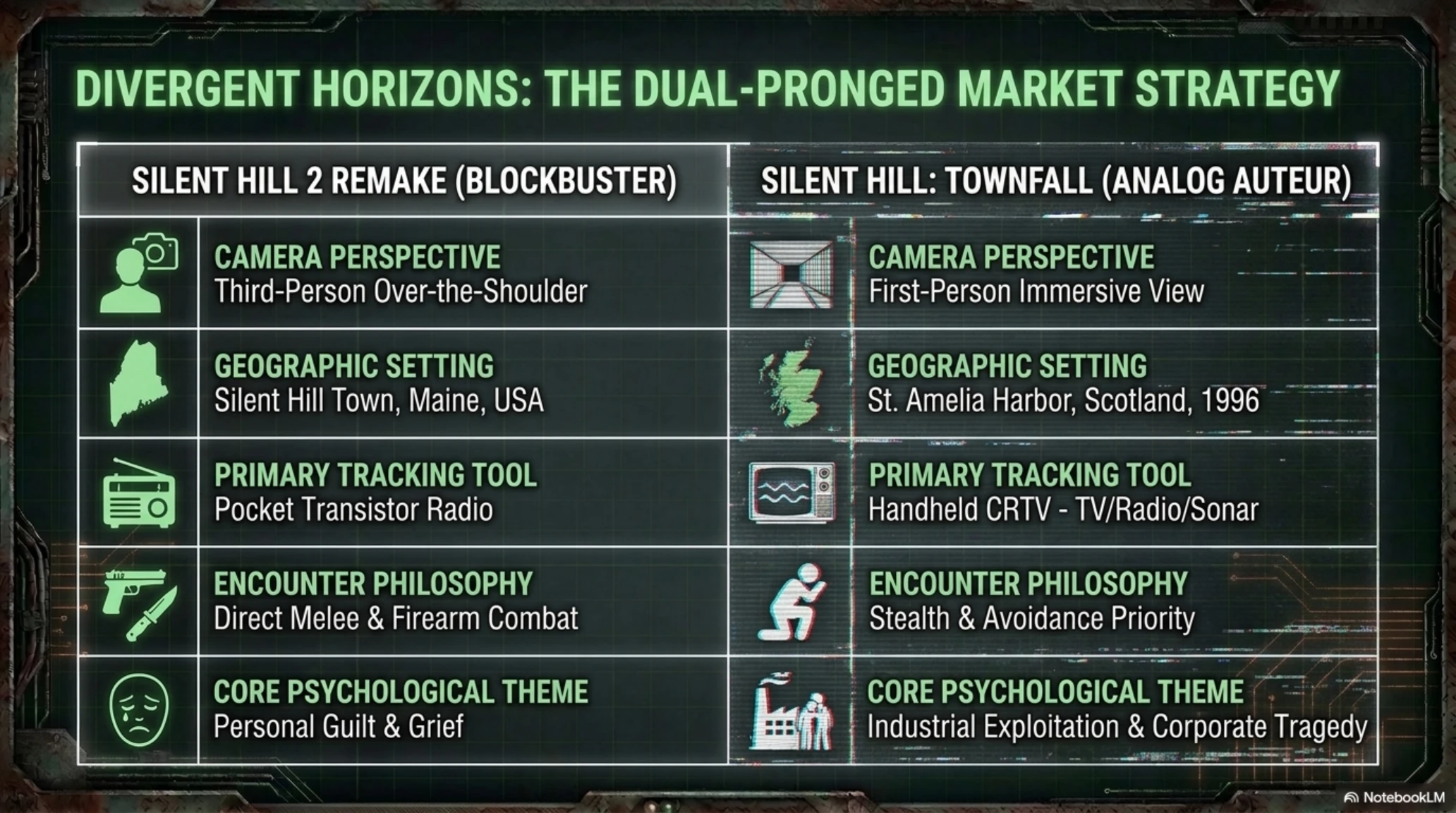
| Feature / Dimension | Silent Hill 2 Remake | Silent Hill: Townfall |
|---|---|---|
| Camera Perspective | Third-Person Over-the-Shoulder | First-Person Immersive View |
| Setting & Context | Silent Hill Town, Maine (USA) | St. Amelia Harbor (Scotland, 1996) |
| Primary Tracking Tool | Pocket Transistor Radio | Handheld CRTV (TV + Radio + Sonar) |
| Encounter Philosophy | Direct Melee & Firearm Combat | Stealth & Avoidance Priority |
| Psychological Theme | Personal Guilt & Grief | Industrial Exploitation & Corporate Tragedy |
Technical & Production Specification Sheet
Publisher: Konami Digital Entertainment
Game Director: Jon McKellan (Former Lead Designer, Alien: Isolation)
Target Platforms: PlayStation 5 / PC
Engine Stack: Unreal Engine 5
Audio & Music Composition: Pilotpriest
Konami’s Decentralized Strategy: Annualizing Quality Horror Without Franchise Burnout
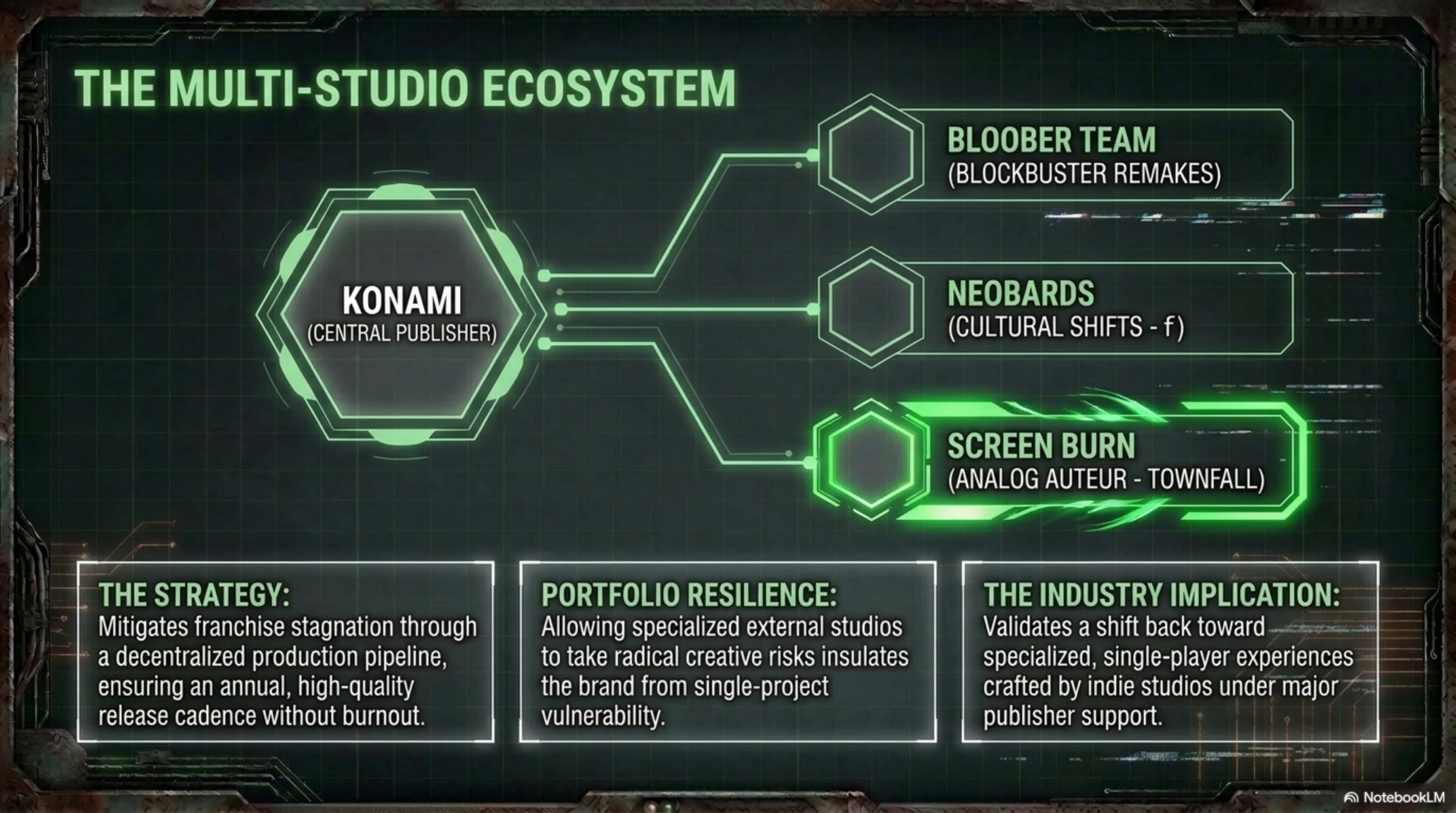
A recurring inquiry within gaming journalism has centered on Konami’s simultaneous greenlighting of multiple major Silent Hill titles—including Bloober Team’s Silent Hill 2 Remake, Neobards Entertainment’s Silent Hill f, and Screen Burn’s Silent Hill: Townfall. Konami Series Producer Motoi Okamoto addressed this strategy during media briefings, highlighting that a multi-studio pipeline was essential to demonstrate Konami’s serious commitment to returning to core game development.
"We wanted to convey to players that our return is not a temporary facade," Okamoto stated via translator. "By developing multiple distinct titles simultaneously, we established an internal pipeline aimed at releasing a high-quality Silent Hill experience annually. Crucially, each studio operates with creative independence, ensuring projects complement rather than overlap one another." This strategy allows specialized independent teams like Screen Burn to innovate without being restricted by rigid template mandates.
This multi-pronged production strategy mitigates franchise stagnation by appealing to diverse player segments. Action-oriented survival horror enthusiasts can find satisfaction in third-person entries, while fans seeking narrative experimentation, historical shifts, or analog horror aesthetics can immerse themselves in titles like f and Townfall. Furthermore, by pairing external auteur studios with internal Konami production oversight, Konami ensures high quality standards while encouraging creative risk-taking.
Industry analysts note that this approach mirrors successful franchise revival models in other entertainment media, where distinct creative voices are invited to interpret a core mythology through their unique stylistic lenses. Rather than enforcing rigid design formulas across all titles, Konami allows Screen Burn to prioritize intimate first-person survival horror, while Bloober Team focuses on high-fidelity cinematic remakes.
Furthermore, this multi-studio architecture insulates Konami from single-project vulnerability. If one sub-series experiments boldly and divides opinion, parallel entries anchor the brand with traditional survival horror fundamentals. This strategic resilience provides external developers with the confidence to take genuine creative leaps, as seen in Townfall's Scottish setting and CRTV device mechanics.
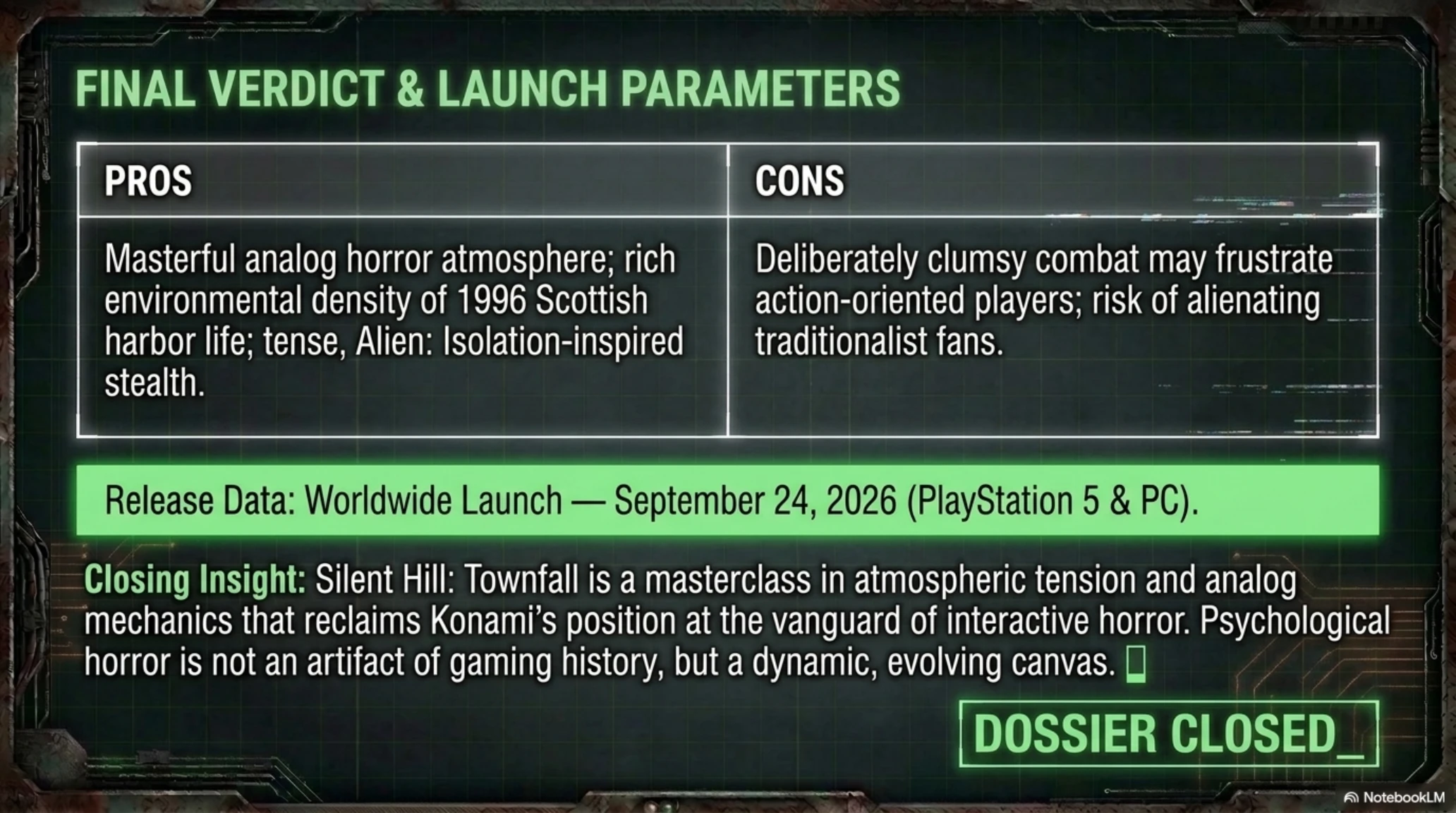
The global launch scheduled for September 24, 2026 across PlayStation 5 and PC will represent a decisive validation test for Konami’s strategy. However, the overwhelmingly positive reception to the three-hour media demo indicates that Screen Burn Interactive has crafted an authentic, deeply unsettling masterpiece that honors the legacy of Silent Hill while charting a bold course for the future of horror gaming.
Ultimately, Silent Hill: Townfall proves that single-player psychological survival horror—devoid of forced live-service monetization or artificial multiplayer modes—remains one of the most vital, commercially potent, and artistically significant genres in modern interactive entertainment. As fans prepare for the full release on September 24, 2026, St. Amelia stands ready to welcome a new generation of players into its fog-drenched, static-filled nightmare.
The long-term implications for Konami's publishing ecosystem are profound. A successful launch for Townfall will likely catalyze similar auteur-driven partnerships across Konami's other dormant classic IPs, signaling a broader industry shift back toward specialized single-player experiences crafted by passionate indie studios under major publisher support.
As the countdown to September 24, 2026 continues, global gaming communities remain locked in intense analysis of every frame of preview footage. Screen Burn Interactive has delivered a definitive statement: psychological horror is not a artifact of gaming history, but a dynamic, evolving canvas capable of inspiring profound awe and terror in equal measure.
Tekin Review will continue to monitor production updates and community theory developments leading up to the official global release. For now, survival horror fans can rest assured that the fog has lifted to reveal a bright, terrifying new dawn for Silent Hill.
The reception among veteran community analysts further reinforces this optimism. Initial skepticism regarding the Scottish location and first-person perspective has largely dissolved, replaced by widespread admiration for Screen Burn's uncompromising artistic vision and mechanical precision. By honoring the emotional depth of Silent Hill 2 while fearlessly reimagining how players interact with the nightmare world, Townfall stands as a triumph of auteur-led game design.
In closing, Silent Hill: Townfall is far more than a routine video game release; it is a masterclass in atmospheric tension, analog mechanics, and psychological storytelling that reclaims Konami's position at the vanguard of interactive horror. Mark your calendars for September 24, 2026, when St. Amelia opens its fog-veiled gates to players worldwide.
The convergence of analog aesthetics, unyielding survival mechanics, and Scottish industrial lore cements Townfall as an unmissable landmark in 2026 gaming. As Screen Burn Interactive puts the finishing touches on production, the stage is set for a triumphant chapter in survival horror history.
Tekin Analysis: Does First-Person Perspective Respect Franchise Roots?
- Masterful analog horror atmosphere and innovative CRTV mechanics
- Rich environmental density portraying 1996 Scottish harbor life
- Tense, Alien: Isolation-inspired stealth and threat avoidance
- Refined DualSense haptic feedback and atmospheric soundtrack
- Deliberately clumsy combat mechanics may frustrate action-oriented players
- Risk of alienating traditional fans by departing from classic American Silent Hill lore
Final Conclusion & Verdict
Related Industry Files on Tekin
• Tekin Review | Elden Ring Deathbed Smalls Ban Incident Breakdown
• Tekin Analysis | Dark Token Market & LLM API Proxy Infrastructure
• Tekin Radar | Firefox Market Collapse from 11% to 2.6% and Google Monopoly
Frequently Asked Questions: Silent Hill: Townfall
What is the official release date for Silent Hill: Townfall?
Silent Hill: Townfall is scheduled for worldwide release on September 24, 2026.
Which platforms will support Silent Hill: Townfall at launch?
The game has been confirmed for PlayStation 5 and Windows PC.
Is Silent Hill: Townfall a direct narrative sequel to Silent Hill 2?
No, it features a standalone story set in St. Amelia, Scotland in 1996. However, it shares core psychological themes of grief, regret, and ambiguity with Silent Hill 2.
Why did the developers choose a first-person perspective?
According to Game Director Jon McKellan, first-person view was chosen from day one to facilitate direct, immersive interaction with the handheld CRTV device and enhance personal vulnerability.
Sources & References
• GameSpot: Silent Hill Townfall Hands-On Preview & Renaissance Analysis
• GameSpot: Why Silent Hill Townfall is a First-Person Game (Director Interview)
• Eurogamer: Silent Hill Townfall Preview & Okamoto Interview
• IGN: Silent Hill Series Retrospective & Gameplay Archive
Additional Gallery: Tekin Review | 3 Hours with Silent Hill: Townfall: Is Konami's Psychological Horror Renaissance Finally Here?