TEKIN ANALYSIS // EXECUTIVE BRIEF
Seventeen Years of Immortality: Why Team Fortress 2 Remains Unrivaled
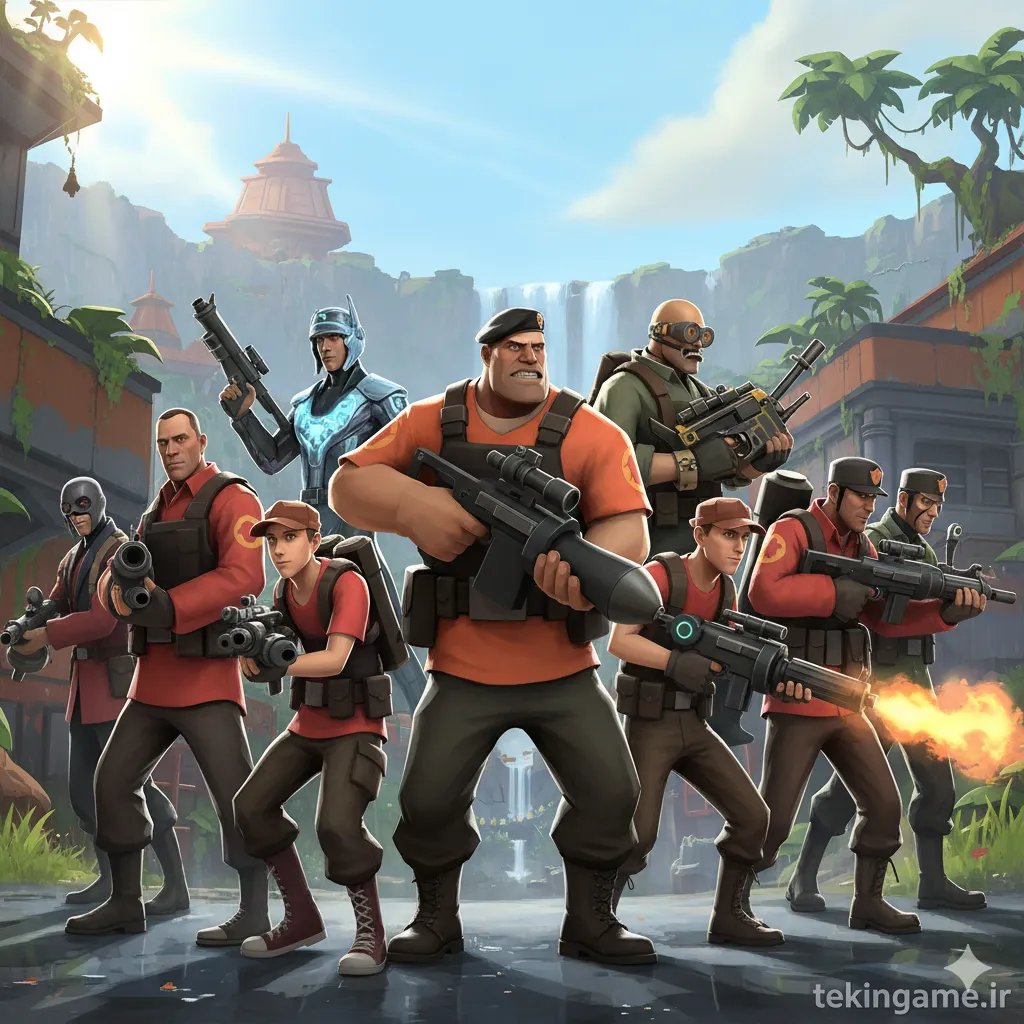
In the autumn of 2007, when Valve Corporation launched the legendary compilation known as The Orange Box, the gaming world bore witness to an artistic and mechanical triumph that would redefine the multiplayer landscape for decades. Alongside the narrative apex of Half-Life 2: Episode Two and the spatial puzzle genius of Portal, Team Fortress 2 emerged as a revolutionary breath of fresh air. Featuring a warm, expressive visual aesthetic inspired by Norman Rockwell and classic mid-twentieth-century commercial illustration, paired with nine brilliantly written, sharply differentiated mercenary archetypes, TF2 shattered the prevailing industry orthodoxy that multiplayer first-person shooters had to be grim, monochromatic military simulations. It proved that competitive depth could coexist with theatrical comedy, over-the-top character dynamics, and pure mechanical joy.
Yet the true secret of Team Fortress 2’s extraordinary survival—commanding an astonishing 80,000 to 100,000 concurrent daily players on Steam nearly two decades post-launch—lies within the peerless mechanical fidelity of the Source Engine physics pipeline. The tactile poetry of a Soldier’s precision rocket jump, propelling the player across entire skylines via explosive propulsion against world geometry; the devastating momentum traps orchestrated by a sticky-jumping Demoman; the intricate mind games of an invisible Spy infiltrating enemy backlines; and the high-velocity spatial positioning demanded by a dual-shotgun Scout represent an astronomical skill ceiling that no modern competitor—including Overwatch, Valorant, or Apex Legends—has ever successfully replicated. TF2 is not merely a shooter; it is an expressive kinetic playground.
However, the history of this legendary title has long been defined by a poignant paradox. On one side stands the most tenaciously devoted community in interactive entertainment history—a collective of tireless modders, animators, map architects, and competitive leagues who have sustained the game through sheer love and creative labor. On the other side stands Valve’s unique corporate paradigm of radical desk-wheel autonomy, where developers drift freely toward shiny new hardware and experimental prototypes, leaving beloved legacy live-service pillars stranded in developmental purgatory. This comprehensive investigation represents the synthesized voice of the 340,000 passionate players who signed the historic petition, asserting that Team Fortress 2 deserves institutional stewardship, not lingering neglect.
Tekin Strategic Command // 6 Imperatives for Independent Studio Triumph
Why Does Team Fortress 2 Matter to the Global Video Game Industry?
Team Fortress 2 established the architectural blueprint for the modern hero shooter genre and Steam's virtual asset economy; preserving and modernizing this foundational pillar proves that authentic mechanical design never expires and that player loyalty is a developer's supreme commercial asset.
The Scourge of Automated Aim-Swisms: The Anatomy of the #FixTF2 Movement
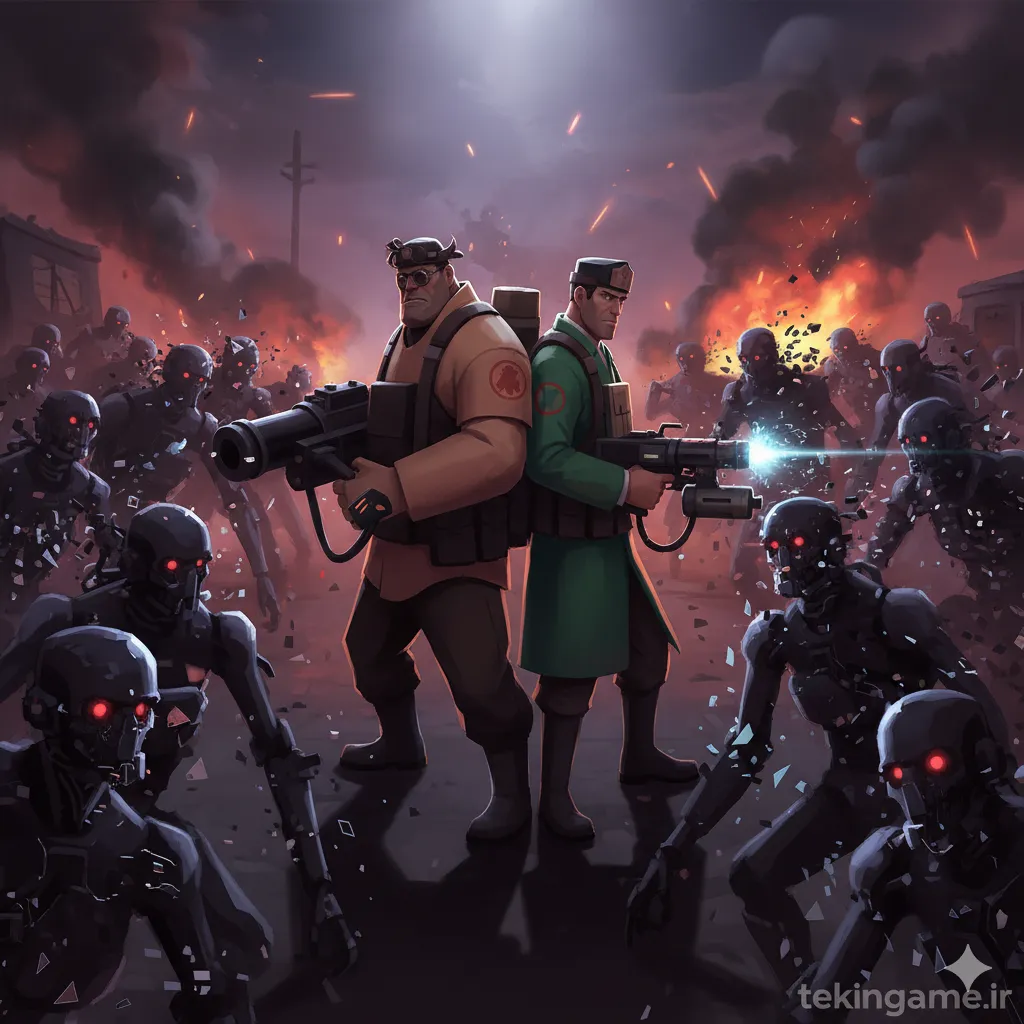
Between 2020 and 2024, Team Fortress 2 descended into the darkest existential crisis of its existence. The official Casual Matchmaking system—the primary lifeblood connecting curious newcomers and veteran casual gamers with public matches—became completely inundated by an organized plague of automated bot swarms. These headless client installations, running on virtual private servers and controlled by malicious bot hosts, infiltrated public lobbies en masse. Predominantly piloting the Sniper class with frame-perfect aim manipulation, 360-degree continuous spin routines, and automated projectile reflection hacks, these swarms rendered regular gameplay an exercise in absolute futility.
The tragedy was compounded by psychological warfare: bot programs bombarded text chats with vile insults, broadcasted deafening high-frequency audio noise through team voice channels, and systematically hijacked server kick-voting mechanics by coordinating automated 'F2' voting blocks. The fundamental root cause lay in the obsolescence of Valve Anti-Cheat (VAC) in confronting modern distributed client emulation. Designed as a traditional signature-based detection tool that inspects client memory for known third-party injection DLLs, VAC was rendered completely impotent against headless Linux instances running unmodified official client binaries that merely fed automated input vectors to the networking pipeline. For over four agonizing years, players found themselves queuing into digital ghost towns ruled by machines.
Out of this profound operational abandonment arose the historic grassroots uprising known as #SaveTF2, followed by its uncompromising, militant successor, #FixTF2. Content creators, tournament directors, community server operators, and hundreds of thousands of ordinary players united across digital boundaries. They constructed a dedicated global portal that accumulated over 340,000 verified digital signatures, binding personal testimonials and player histories into an unignorable physical manifestation delivered directly to Valve's executive offices in Bellevue, Washington. The message reverberated worldwide: we love this game too deeply to allow it to be suffocated by cyber-vandals while its multi-billion-dollar creator looks away.
Separating Myth from Reality in Regional Game Development
Technical Lexicon // Indie Game Engineering & Commercial Mechanics
Chronological Evolution of Regional Indie Gaming & The Path Forward
The Silent Engineering Triumph: The 64-Bit Leap and Memory Liberation
In April 2024, Valve delivered an engineering masterstroke that silenced skeptics and demonstrated that profound technical wizardry still resides within its halls. Without advance marketing fanfare, the studio deployed an extensive, foundational overhaul that upgraded both client and dedicated server binaries to native 64-bit architecture (x86_64) across Windows and Linux platforms. This constituted the most profound architectural transformation the Source 1 engine had experienced since the Mac migration in 2010.
To grasp the monumental significance of this leap, one must appreciate the crippling structural limitation that had throttled TF2 for over a decade: the 32-bit virtual memory ceiling. Operating as a 32-bit executable, TF2 was strictly quarantined within a hard 4GB virtual address space. Over seventeen years of cumulative content additions—hundreds of community maps, dense PBR particle effects, thousands of bespoke hat models, dynamic weapon skins, and high-resolution textures—had pushed system memory usage dangerously close to this 4GB precipice. In dense 32-player community servers, even a minor texture memory leak would inevitably trigger the catastrophic Out of Memory Crash, instantly dumping players to desktop.
The 64-bit re-compilation eradicated this bottleneck in its entirety, delivering transformative operational results across multiple dimensions: 1. Rock-Solid Frame Time Consistency: By unlocking direct access to modern 64-bit CPU registers and modern instruction sets (such as AVX and SSE4.2), frame rate drops during chaotic 32-player Payload bottlenecks were dramatically smoothed out. 2. Limitless Workshop Map Headroom: Level designers in the Steam Workshop are no longer handcuffed by micro-managing texture memory budgets; they can now deploy expansive, multi-stage environments with complex custom assets without risking widespread client crashes. 3. Flawless Linux & Steam Deck Integration: The native x86_64 Linux compilation unlocked extraordinary performance gains on Valve's flagship handheld console, delivering a locked 90Hz refresh rate on the Steam Deck OLED while dramatically slashing battery draw. This engineering achievement proved definitively that the Source 1 foundation is neither decrepit nor obsolete; when properly modernized, it remains one of the most responsive, low-latency competitive gaming engines ever forged.
Comparative Architectural Matrix: Legacy Development vs Sovereign Tekin Model
Optimal Capital & Time Allocation for Modern Independent Studios
The Unfinished Saga of The Heavy Update: An Eight-Year Broken Promise
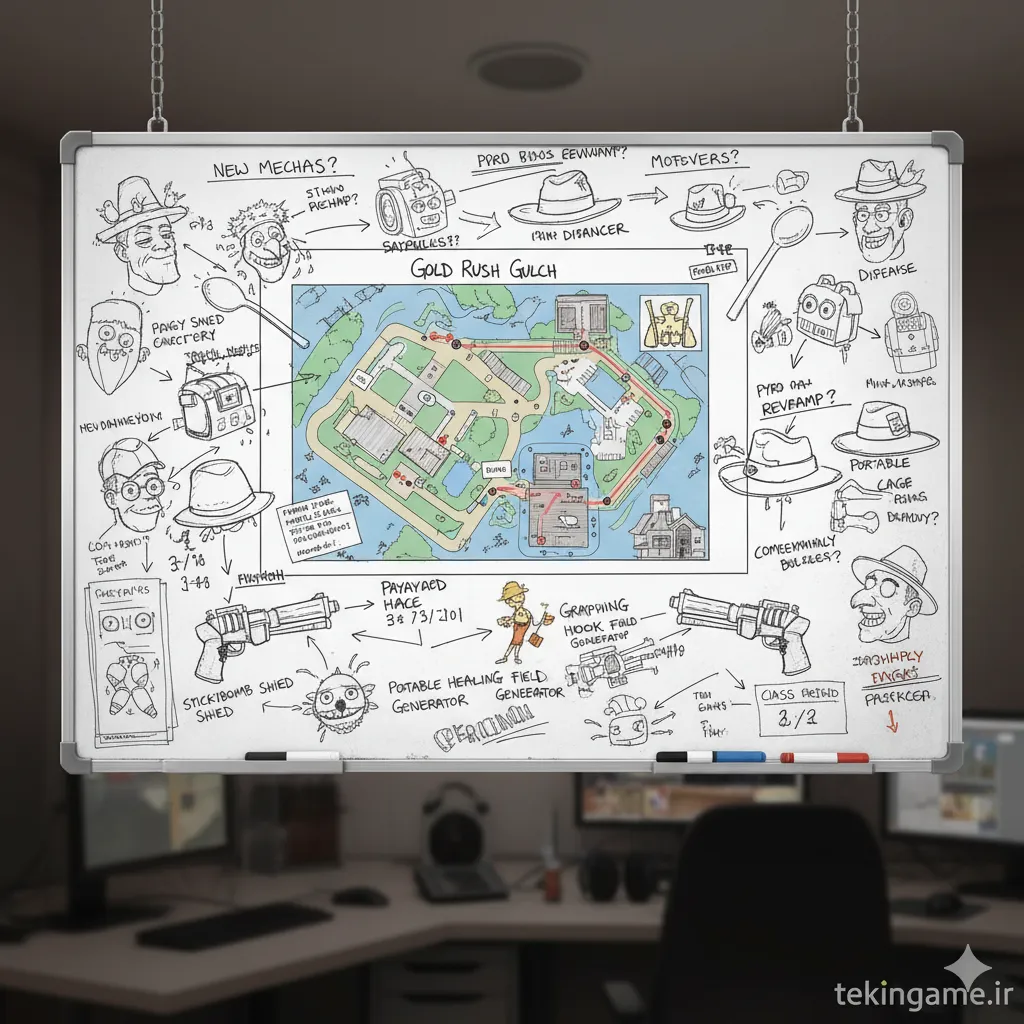
In the high summer of 2016, Valve initiated one of the most engaging community-driven competitive events in modern live-service history: Meet Your Match: Heavy vs. Pyro. The operational premise was elegantly democratic: the two foundational classes in the most desperate need of comprehensive design overhauls and mechanical modernization were pitted against each other in a global war of attrition. Valve explicitly committed that while the winning class would receive the initial major content expansion, the runner-up would subsequently receive its own dedicated overhaul package.
Pyro secured victory by a razor-thin margin, culminating in the monumental release of Jungle Inferno in October 2017. That update delivered an avalanche of high-grade assets: the Dragon’s Fury skill-shot flamethrower, the Thermal Thruster mobility jetpack, custom animated promotional shorts, and an intricate campaign contract system that energized the player base for years. But as the celebration subsided, an agonizing silence descended over the fate of the runner-up.
Where is the Heavy Weapons Guy Update? For eight consecutive years, the poster boy of Team Fortress 2—the beloved Soviet titan whose silhouette graces every promotional banner and esports broadcast—has remained stranded in a severe mechanical rut. While Soldier and Demoman boast peerless vertical mobility and tactical versatility, Heavy remains severely hamstrung by glacial movement speeds, extreme vulnerability to long-range Sniper sightlines, and a secondary weapon slot that has been completely monopolized by the Sandvich for fifteen years. Playing Heavy in modern competitive setups frequently feels more like operating as a sluggish mobile dispenser than commanding a formidable front-line anchor.
The community's persistent clamor for the Heavy Update is not a frivolous internet meme; it is an urgent balance imperative. The class demands meaningful dynamic utility: temporary kinetic shielding options, alternative primary miniguns featuring distinct spin-up mechanics and suppression cones, mobile secondary tools that provide tactical utility beyond standard healing consumables, and expanded melee options that encourage offensive frontline brawling. Delivering this long-promised expansion would represent the ultimate symbolic gesture of good faith from Valve to its global community.
The Mann Co. Virtual Economy: Virtual Asset Liquidity and the 6v6 Competitive Frontier
Beyond its physics engine and character narratives, Team Fortress 2 pioneered the modern micro-transaction and digital asset economy through the iconic Mann-Conomy Update in 2011. Long before NFTs, digital metaverses, or modern battle passes became corporate buzzwords, Valve established a thriving, liquid virtual economy centered around Mann Co. Supply Crate Keys, refined metal, and cosmetics adorned with procedurally generated particle effects known as Unusuals.
This virtual economy functions essentially as a decentralized commodity market. The Mann Co. Supply Crate Key serves as the de-facto gold standard currency across the entire Steam Community Marketplace, anchoring trade liquidity not only for TF2 cosmetics, but across Counter-Strike cases and Dota 2 arcanas. The economic health of this ecosystem has generated tens of millions of dollars in net royalties for community workshop creators, establishing a sustainable livelihood for independent 3D artists worldwide. However, the lack of significant in-game crafting metal sinks over the past decade has resulted in gradual metal hyper-inflation, transforming the historic exchange rate from 2.33 Refined Metal per Key in 2011 to over 60 Refined Metal per Key in the modern era. The community wishlist emphatically demands modern crafting mechanics—such as transmuting surplus refined metal into rare seasonal cosmetics or weapon effect kits—to restore long-term macroeconomic stability.
Simultaneously, the competitive dimension of Team Fortress 2 remains an untapped goldmine. While Valve’s official in-game competitive matchmaking system was essentially abandoned following the controversial Meet Your Match update in 2016 due to poor calibration, the grassroots competitive scene has flourished autonomously through premier leagues such as the European Team Fortress 2 League (ETF2L) and the Recreation & Competitive Gaming League (RGL) in North America. These grassroots organizations codified the classic Standard 6v6 format—comprising two Scouts, two Soldiers, one Demoman, and one Medic—which maximizes kinetic velocity, spatial map control, and tactical team cohesion while enforcing strict class limits to prevent stale, turtle-heavy defensive stalemates. By officially adopting these proven community rulesets, introducing dedicated anti-cheat enforcement for competitive queues, and establishing an official seasonal leaderboard ladder, Valve could effortlessly reignite Team Fortress 2 as a tier-1 esports spectacle with zero marketing expenditure.
📚 Classified & Related Dossiers in TekinGame
If you wish to explore beyond this report and delve into cybernetic frontiers and autonomous AI architectures, do not miss these three exclusive deep-dives in the Tekin Garage:
Gamer & Developer Sentiment Index Toward Regional Independent IP
Multidimensional Capability Evaluation of Modern Indie Studios
Diagnostics Console // Independent Studio Production Pipeline Telemetry
The VScript Revolution: When the Community Takes the Developmental Reins
Perhaps the most quietly revolutionary technical upgrade deployed to Team Fortress 2 in recent years was the full integration of VScript embedded map logic. By unlocking a direct scripting interface that allows level designers to program complex execution logic directly within the map file using lightweight languages like Squirrel, Valve effectively handed the keys to the kingdom to its most brilliant community creators.
What the community accomplished with VScript borders on the miraculous: 1. Bespoke Boss Enigmas & Raid Encounters: Creators engineered massive multi-stage boss fights with custom mathematical attack phases, dynamic particle hazard zones, and custom UI health bars that rival dedicated MMORPG encounters. 2. Dynamic Movement & Environmental Mechanics: Community architects built working multi-stage zip-lines, momentum-conserving trampolines, and procedural map hazards that breathe fresh kinetic life into casual rotations. 3. Client-Side Security Sentinels: In the darkest days of the bot crisis, community map architects wrote custom VScript subroutines directly into their maps that analyzed player angle delta speeds and instantly vote-kicked impossible rotational aimbots before they could fire a single shot! The operational lesson for Valve is crystal clear: the company no longer needs to bear the crushing labor of authoring thousands of lines of content in-house. The community has demonstrated world-class game design maturity. All that is required is for Valve to establish a reliable, permanent pipeline that integrates these verified VScript masterworks into the official matchmaking pools while rewarding their creators with sustainable revenue splits.
Critical Risk Matrix & Mitigation Strategy for Independent Interactive Media
Strategic Synthesis & Official Intelligence References
Team Fortress 2 stands as an immortal monumental achievement in the history of interactive entertainment. Its unmatched character silhouettes, timeless art direction, and peerless momentum-based physics engine remain completely unrivaled by contemporary competitors. The historic #FixTF2 movement demonstrated that this game is not an obsolete relic, but a vibrant global cultural institution commanding the daily dedication of over 100,000 active players. Unlocking its next decade of dominance requires deliberate institutional resolve from Valve: an unyielding anti-cheat security apparatus, fulfillment of the legendary Heavy Update, and formalizing the boundless engineering genius of its community.
- • Valve Corporation Source 1 Engine Architecture Documentation & 64-Bit Migration Whitepaper (2024)
- • Global #FixTF2 Community Petition Registry & Digital Signature Verification Archives (340,000+ Verified Signers)
- • SteamDB Historical Player Concurrency Metrics & Storefront Analytical Reports (2007-2026)
- • European Team Fortress 2 League (ETF2L) & RGL Competitive Rulebooks and Tournament Archives
- • Valve Developer Community (VDC) VScript API Technical Specifications and Workshop Documentation
- Nine meticulously differentiated classes representing the apex of asymmetrical tactical game balance.
- Momentum-based Source engine physics enabling breathtaking movement mechanics like rocket jumping and trimping.
- An extraordinarily passionate community capable of generating AAA-grade maps, cosmetics, and game modes autonomously.
- The recent 64-bit engine upgrade successfully eliminated decade-old memory exhaustion bottlenecks and crash triggers.
- Valve's flat corporate structure frequently leaves live-service masterpieces without dedicated full-time engineering teams.
- The official in-game competitive matchmaking system has remained completely abandoned and uncalibrated since 2016.
- The default onboarding pipeline, ancient 75-degree FOV, and clunky tutorial present massive hurdles for newcomers.
Frequently Asked Questions Regarding Regional Indie Video Game Development
Has Valve abandoned Team Fortress 2 in favor of new projects like Deadlock?
Valve has not abandoned TF2; however, it operates under a minimal maintenance doctrine augmented by community workshop curation. The substantial 64-bit engine migration in 2024 and extensive server-side ban waves demonstrated that Valve continues to safeguard this invaluable institutional intellectual property.
Why was The Heavy Update never officially released?
During the 2016 Meet Your Match campaign, Pyro defeated Heavy in a community-wide voting duel. Consequently, Pyro received the massive Jungle Inferno overhaul first. Subsequent internal studio resource shifts toward Half-Life: Alyx and Steam Deck software left the Heavy update in developmental limbo.
What tangible benefits did the 64-bit update bring to modern players?
The 64-bit migration eradicated the restrictive 4GB virtual memory address space barrier. It elevated average frame rates, drastically smoothed frame pacing in 32-player engagements, and permanently eliminated 'Out of Memory' crashes triggered by complex workshop textures and custom particle effects.
Is a complete port of Team Fortress 2 to Source 2 technically feasible?
While community modders have created impressive prototypes in S&box, an official Source 2 port faces immense hurdles. Replicating the exact physics quirks, projectile hitboxes, and organic movement eccentricities that define TF2's competitive identity is notoriously difficult; thus, Valve prioritizes modernizing the Source 1 framework.
