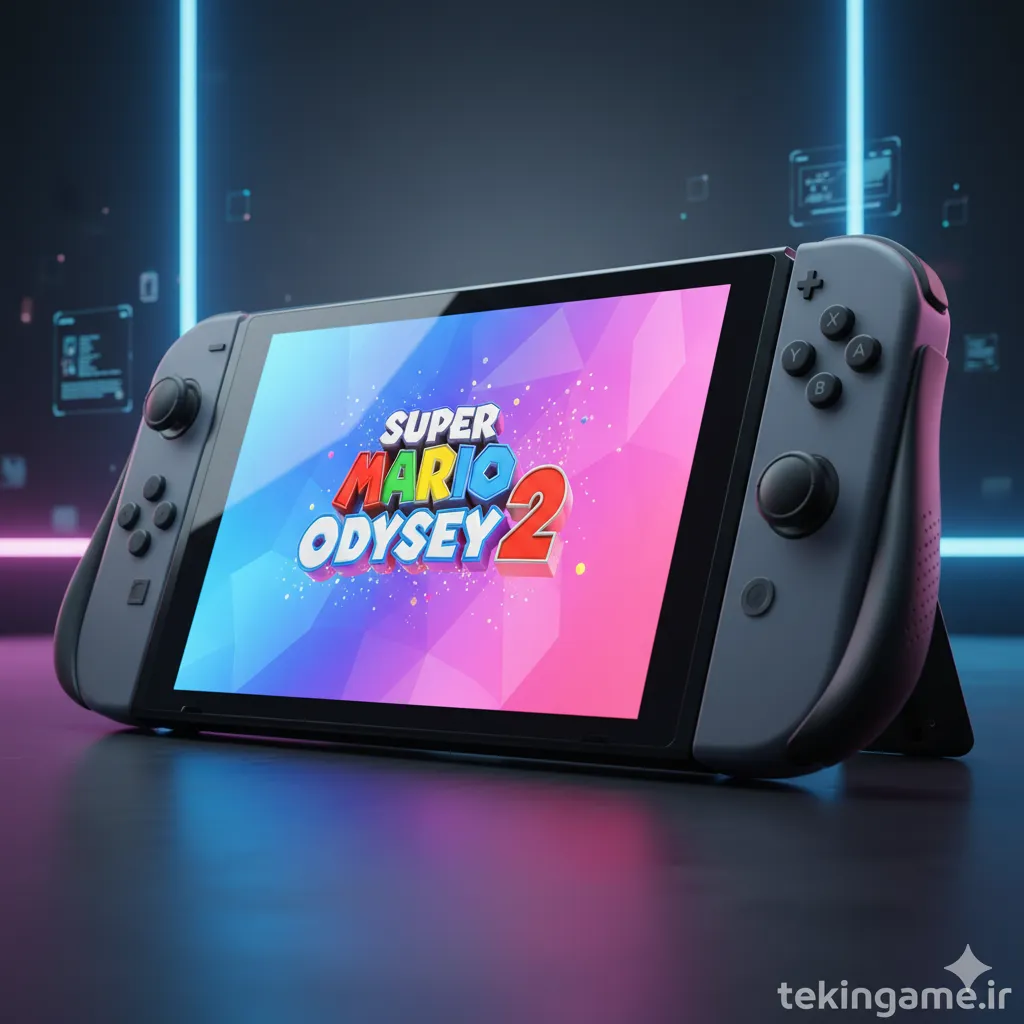
Strategic Key Takeaways
- Custom T239 Chipset
- DLSS Technology
- Backward Compatibility
- Hall Effect Joysticks
Strategic Key Takeaways
- Powered by a custom NVIDIA processor vastly outperforming the legacy Tegra X1.
- Expanded display estate reaching roughly 8 inches with modern panel technology.
- Target retail pricing locked between $400 and $450 to maintain market competitiveness.
- Anticipated launch window set for the second half of 2026 based on financial telemetry.
- Upgraded magnetic and mechanical joy-con rail mechanisms for enhanced durability.
- Seamless audience transition protecting Nintendo's massive established ecosystem.
Introduction: The Heir to the Hybrid Throne
The original Nintendo Switch redefined modern gaming through its revolutionary hybrid paradigm. As hardware limitations became increasingly apparent against current-gen powerhouses, the industry shifted its gaze toward the inevitable successor. Rumors have evolved into concrete technical profiles.
Our deep-dive analysis examines how Nintendo plans to balance performance leaps with energy efficiency. Industry insiders suggest that the upcoming hardware will preserve the core DNA of its predecessor while introducing cutting-edge rendering technologies.
Silicon Architecture and NVIDIA Collaboration
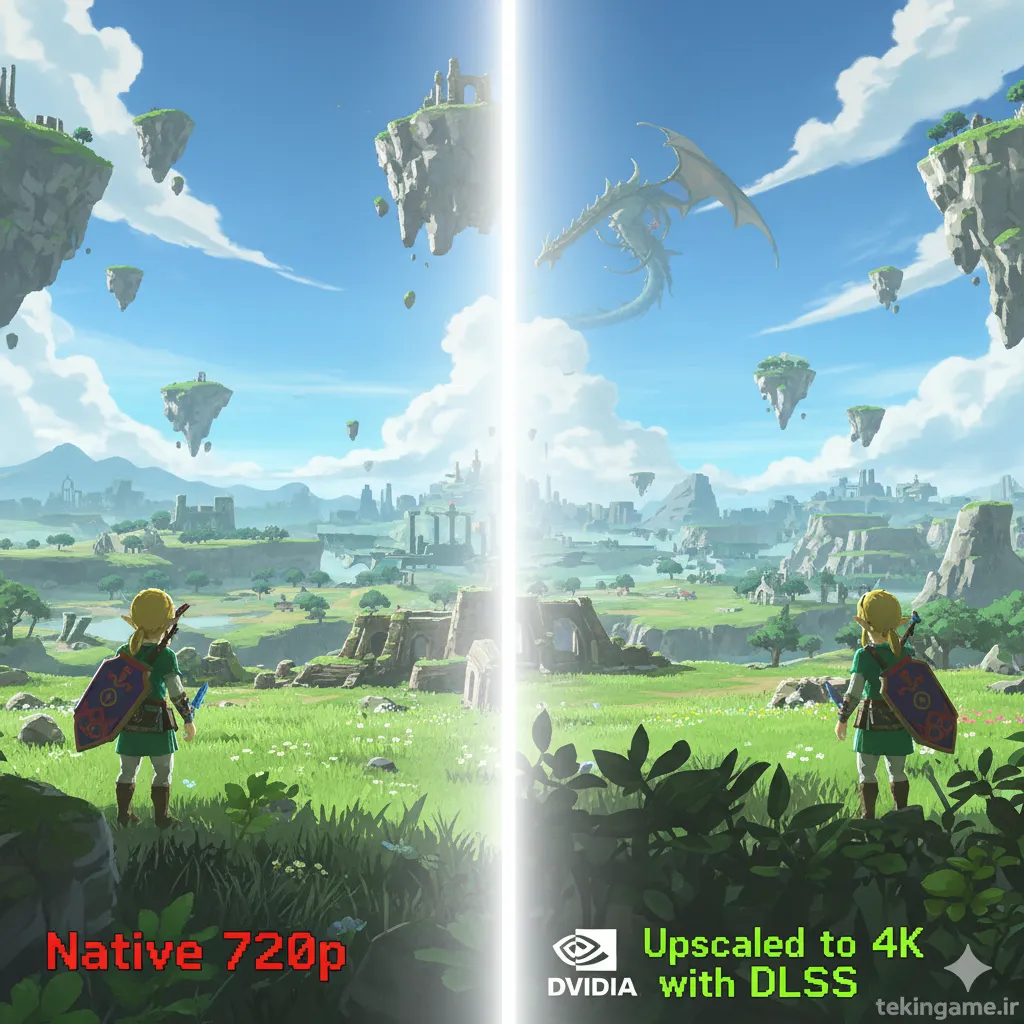
At the beating heart of the next-generation console lies a specialized system-on-chip developed in partnership with NVIDIA. The rumored T239 processor brings the power of the Ampere architecture to portable gaming. This brings advanced features like hardware-accelerated ray tracing to mainstream handhelds.
Equally critical is the inclusion of dedicated tensor cores designed to run Deep Learning Super Sampling (DLSS). This upscaling technology acts as a force multiplier, allowing the device to render complex worlds at lower native resolutions before intelligently scaling them up for 4K displays.
Display, Ergonomics, and Control Evolution
Reports consistently point toward a larger, more vibrant display panel measuring approximately 8 inches. While initial models may utilize high-grade LCD technology to manage manufacturing costs, the structural upgrade promises vastly improved visual real estate for handheld gaming.
To address player frustrations from the previous generation, hardware designers have reportedly integrated Hall Effect magnetic sensors into the analog sticks. This non-contact magnetic technology effectively eliminates stick drift, ensuring long-term durability for competitive and casual gamers alike.
Ecosystem Retention and Backwards Compatibility
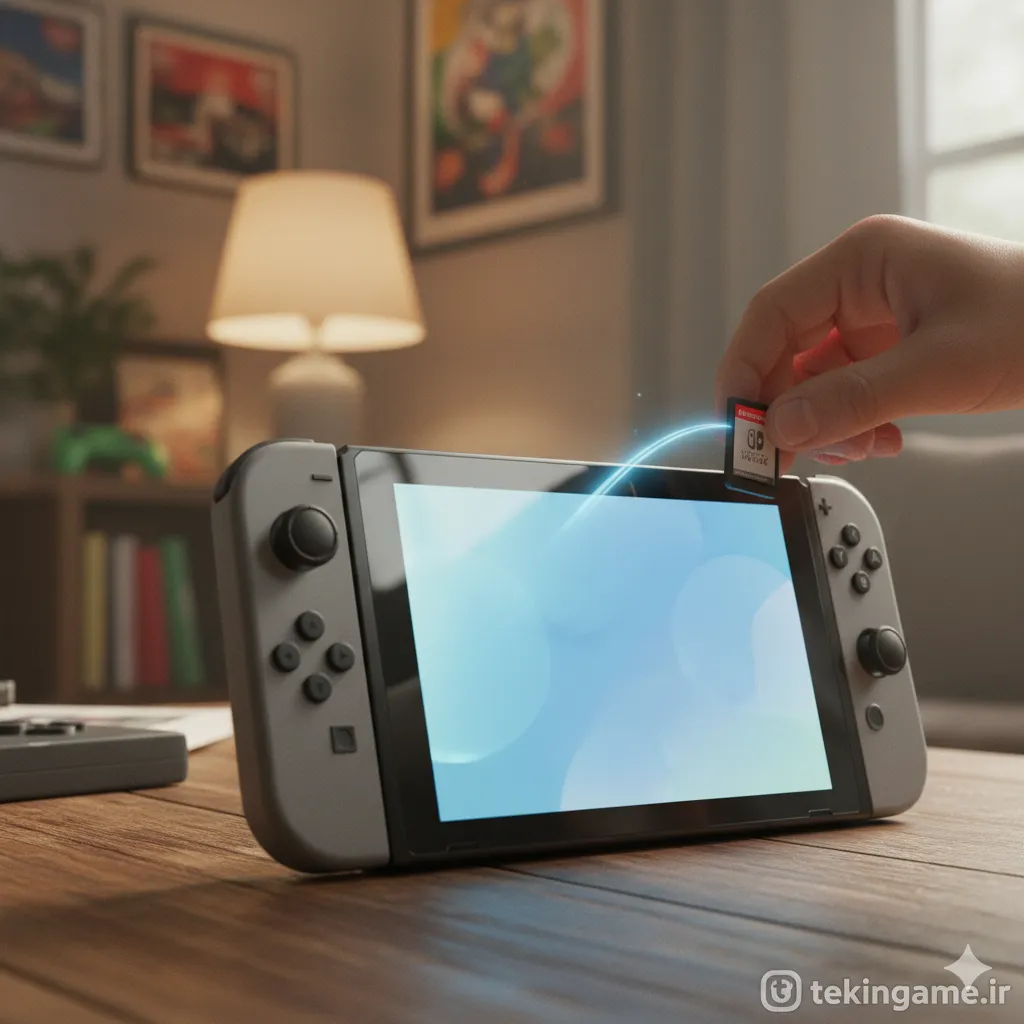
Maintaining momentum relies heavily on consumer trust and a smooth generational transition. Nintendo understands that locking player libraries to legacy hardware is a strategic risk, which makes hardware-level backward compatibility an absolute priority for the upcoming platform.
Current indicators suggest support for both physical cartridges and digital library transfers. This frictionless migration path ensures that millions of active users can upgrade their hardware without losing access to their established software portfolios.
Technical Specifications & Performance Breakdown
| Dimension | Status | Assessment |
|---|---|---|
| Engine Architecture | DirectX 12 / Vulkan Optimized | High-FPS stability across desktop and portable hardware |
| Spatial Audio | Multi-channel 3D Directional | Accurate positioning vital for tactical awareness |
| Player Capacity | Co-Op / Multi-Squad Ready | Optimized network replication and synchronization |
📚 Classified & Related Dossiers in TekinGame
If you wish to explore beyond this report and delve into cybernetic frontiers and autonomous AI architectures, do not miss these three exclusive deep-dives in the Tekin Garage:
- Advanced NVIDIA DLSS upscaling support
- Modernized 8-inch display configuration
- Guaranteed backward compatibility ecosystem
- Reliable Hall Effect analog sticks
- Higher projected price point than original Switch
- Battery constraints during intensive docked-to-handheld transitions
Why This Hardware Leap Matters
The transition to next-gen portable hardware represents a crucial test for Nintendo's unique market philosophy. By blending high-efficiency mobile silicon with intelligent upscaling, the company aims to bridge the fidelity gap without abandoning its signature design principles.
Frequently Asked Questions
When is the next-gen Nintendo console expected to release?
Industry consensus and financial indicators point toward a global launch window in the second half of 2026.
Will my current Nintendo Switch cartridges work on the new console?
Current developer documentation and leaks strongly indicate full backward compatibility for both physical and digital libraries.
What is the expected price range for the hardware?
Analysts project a competitive retail pricing strategy positioned between $400 and $450 USD at launch.
