Strategic Key Takeaways
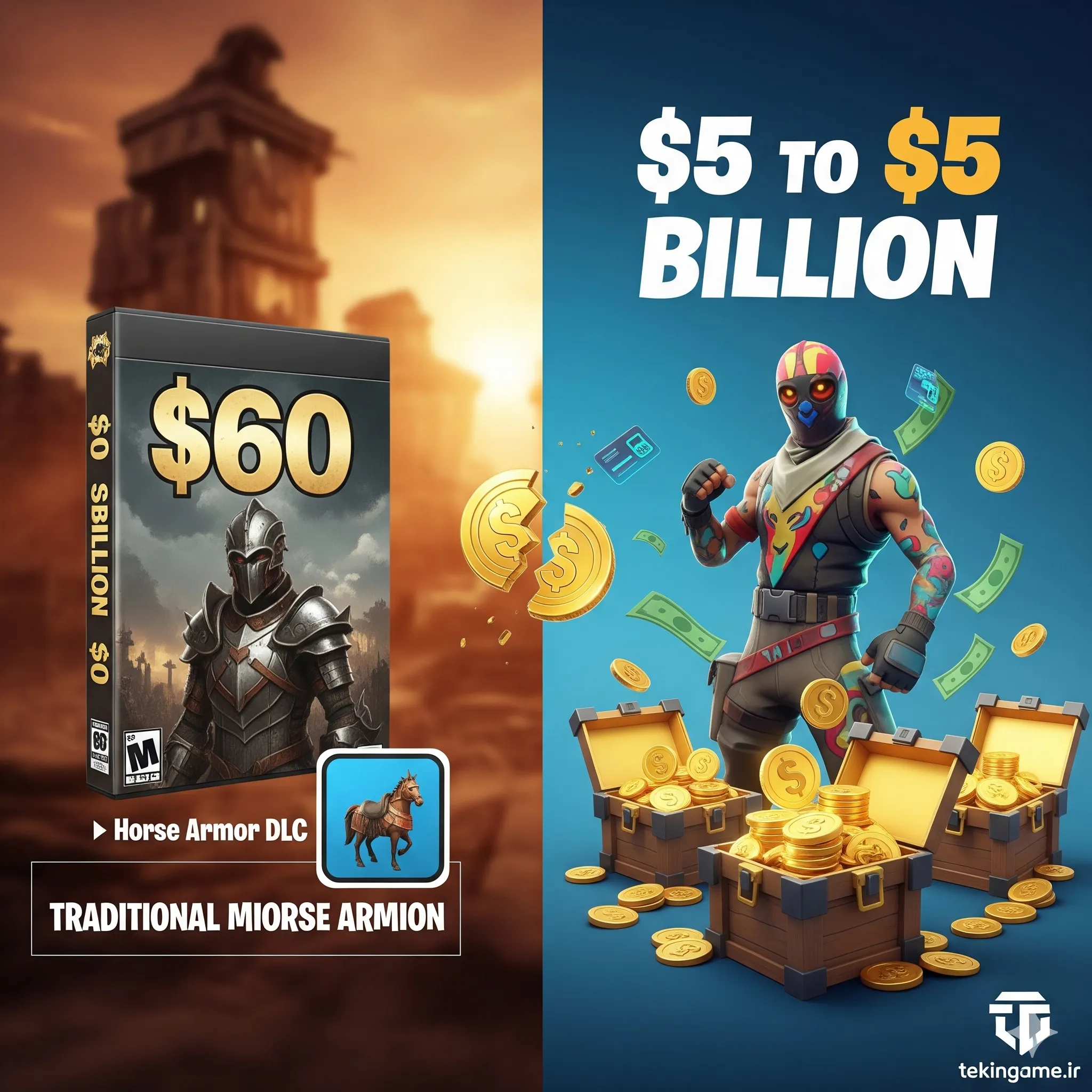
- Microtransactions have evolved from a controversial $2.50 DLC into a dominant $50 billion global industry pillar.
- Modern design paradigms increasingly shift toward continuous monetization structures like battle passes and cosmetic shops.
- Psychological triggers such as FOMO and variable reinforcement drive sustained player spending.
- Regulatory scrutiny on loot boxes continues to reshape compliance and monetization strategies worldwide.
The Economic Shift in Modern Gaming
In 2006, Bethesda introduced a minor DLC called Horse Armor for Oblivion at a modest price of $2.50, sparking widespread player outrage. Few could have predicted that this simple concept of selling digital extras would eventually evolve into a colossal fifty-billion-dollar industry. Today, microtransactions generate the lion's share of revenue for major publishers, reshaping how titles are funded.
Beyond simple profit margins, these monetization models dictate studio roadmaps, engine investments, and community lifecycles. From basic character skins to complex battle passes, understanding this financial ecosystem is vital for analyzing contemporary interactive entertainment.
From Horse Armor to Global Free-to-Play Giants
The earliest roots of microtransactions trace back to early 2000s massively multiplayer online games and pioneering cash shops. MapleStory in 2003 popularized acquiring virtual goods, but the true paradigm shift arrived with the mobile app boom. Titles like Candy Crush and Angry Birds proved that freemium models could yield unprecedented financial returns.
Valve later revolutionized PC gaming by introducing player-driven economies in Team Fortress 2. Finally, Fortnite perfected the live-service cosmetic model in 2017, proving that high-end multiplayer experiences could thrive entirely on optional purchases without disrupting core balance.
Categorizing In-Game Monetization Models
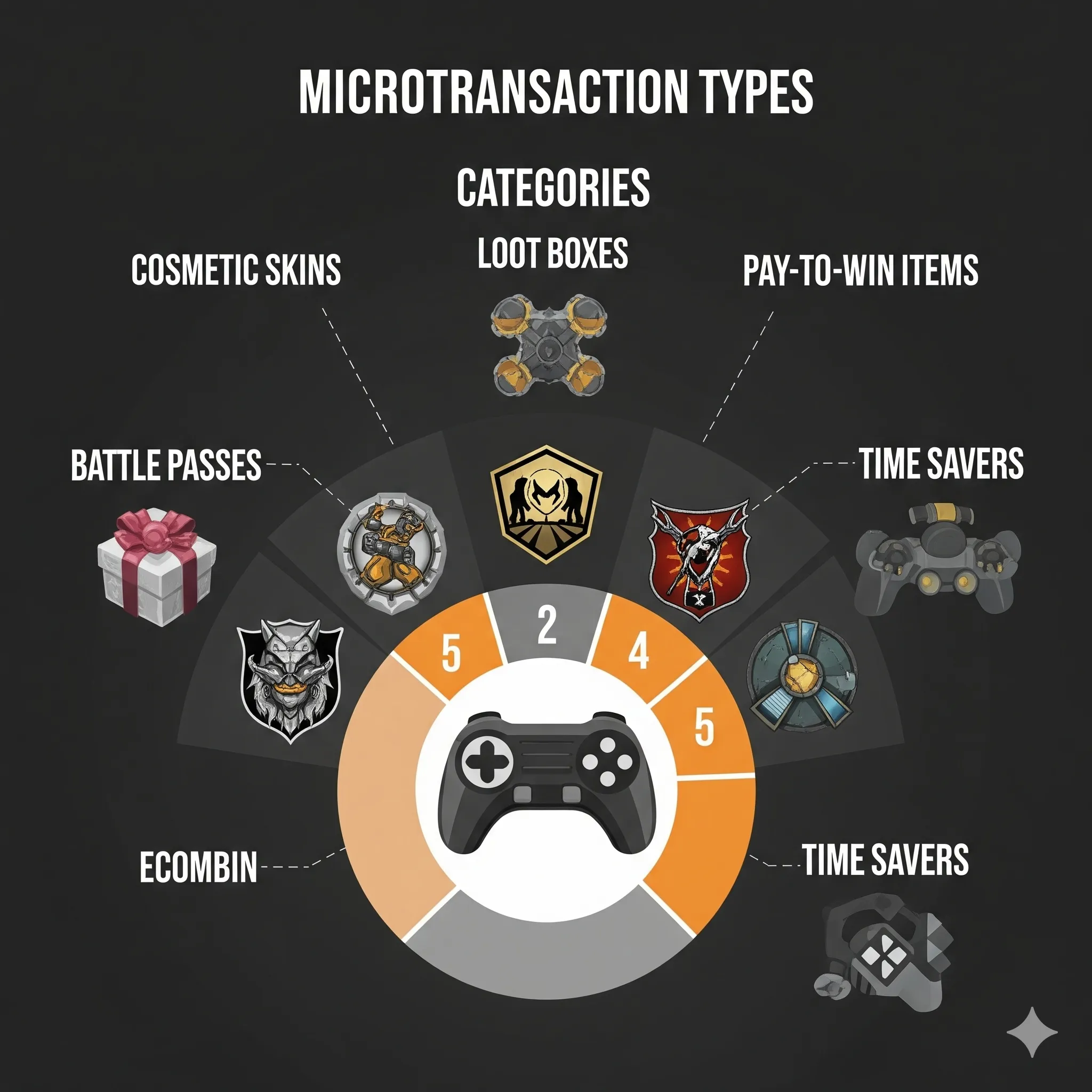
Monetization strategies have diversified significantly, each carrying distinct philosophical implications for players and developers alike. Cosmetic items, such as character outfits and weapon skins, remain the gold standard because they avoid direct pay-to-win imbalances. Conversely, premium currencies and time-savers introduce systemic friction.
Battle passes have largely replaced traditional subscription models by rewarding active engagement over passive ownership. Meanwhile, random-drop loot boxes continue to occupy a legally ambiguous space across international markets due to their structural similarities to gambling.
The Psychology of Virtual Purchases
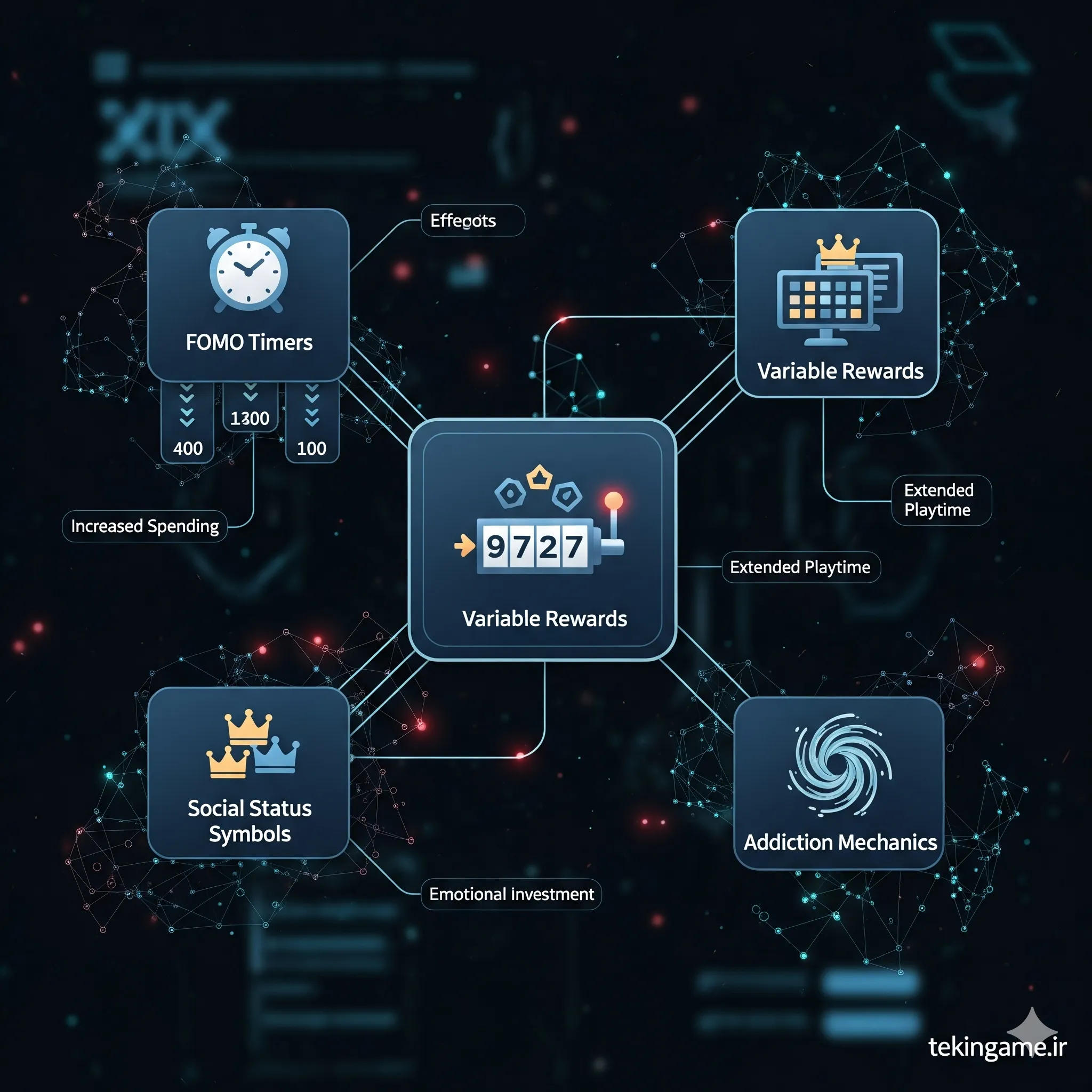
The staggering success of digital storefronts relies heavily on established psychological principles and behavioral economics. The fear of missing out, commonly known as FOMO, leverages artificial scarcity to pressure consumers into immediate transactions. Limited-time offers weaponize urgency effectively.
Variable ratio reinforcement, famously utilized in loot boxes, triggers the exact same neural reward pathways as slot machines. Coupled with sunk cost fallacy and the human desire for digital social status, these design patterns consistently drive recurring consumer spending.
Altering Game Design Priorities
The integration of microtransactions has fundamentally altered core game loops and development priorities. Modern titles are frequently engineered to encourage continuous engagement rather than delivering isolated, self-contained narratives. Grind mechanics are occasionally tuned to incentivize convenience purchases.
Daily login bonuses, retention metrics, and seasonal events dictate development schedules at major studios. While this approach supports long-term content updates, it risks diluting artistic integrity in favor of continuous metric optimization and short-term quarterly gains.
Technical Specifications & Performance Breakdown
| Dimension | Status | Assessment |
|---|---|---|
| Engine Architecture | DirectX 12 / Vulkan Optimized | High-FPS stability across desktop and portable hardware |
| Spatial Audio | Multi-channel 3D Directional | Accurate positioning vital for tactical awareness |
| Player Capacity | Co-Op / Multi-Squad Ready | Optimized network replication and synchronization |
- Enables continuous post-launch content updates for live-service games
- Keeps base entry prices low through free-to-play models
- Supports robust player-driven cosmetic customization economies
- Risks sliding into exploitative pay-to-win mechanics
- Utilizes psychological manipulation tactics targeting vulnerable users
- Fosters artificial progression friction to sell convenience items
📚 Classified & Related Dossiers in TekinGame
If you wish to explore beyond this report and delve into cybernetic frontiers and autonomous AI architectures, do not miss these three exclusive deep-dives in the Tekin Garage:
Final Verdict & Authoritative Sources
Frequently Asked Questions
Are microtransactions ruining the gaming industry?
They have introduced aggressive monetization practices, but they also fund massive live-service worlds and keep baseline game entry costs lower for players.
What is the safest form of microtransaction?
Cosmetic items that do not affect gameplay balance or competitive integrity are generally considered the least harmful form of monetization.
Why do free-to-play games make so much money?
They remove the barrier to entry, attracting massive player bases where a small percentage of high-spending users, known as whales, generate substantial revenue.
Frequently Asked Questions
Is this release optimized for modern hardware?
Yes, built on modern scalable rendering pipelines with low hardware entry barriers.
Does it support full cross-platform cooperative play?
Yes, seamless squad matchmaking is fully supported.
