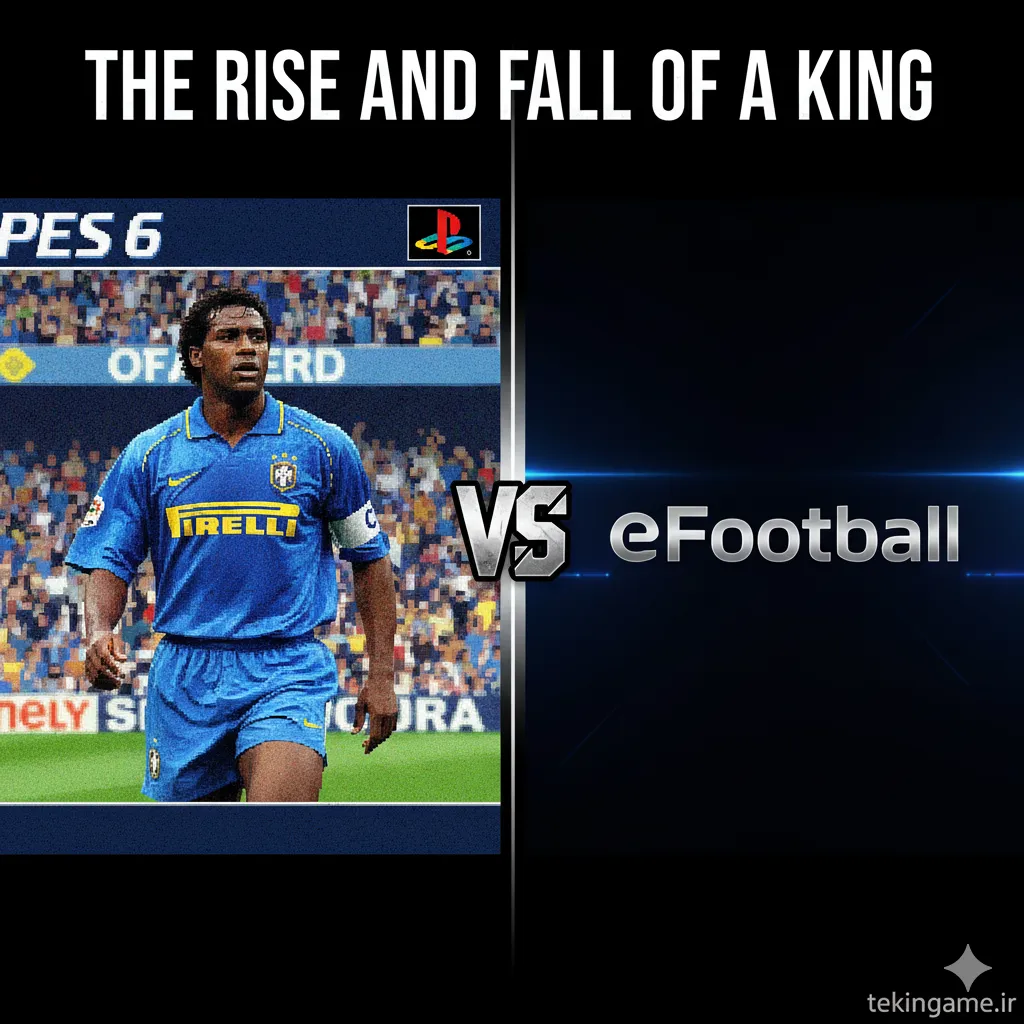
Strategic Key Takeaways
- PES defined tactical and realistic football simulation during the early 2000s.
- PES 5 and PES 6 remain celebrated as high-water marks for the franchise.
- EA's introduction of Ultimate Team drastically shifted industry revenue models and player engagement.
- Konami's shift to the free-to-play eFootball model fundamentally altered the franchise identity.
Introduction: The Battle for Virtual Football Supremacy
For more than two decades, the digital football landscape was defined by an intense rivalry between two titans: EA Sports' FIFA and Konami's Pro Evolution Soccer. This competition transcended a casual gaming preference, representing a fundamental clash between two distinct gameplay philosophies.
Tracing the trajectory of PES reveals an inspiring rise, an era of undisputed dominance, and a complex downfall that eventually reshaped the virtual sports genre.
The Golden Era: When PES Ruled the Pitch (2001-2008)
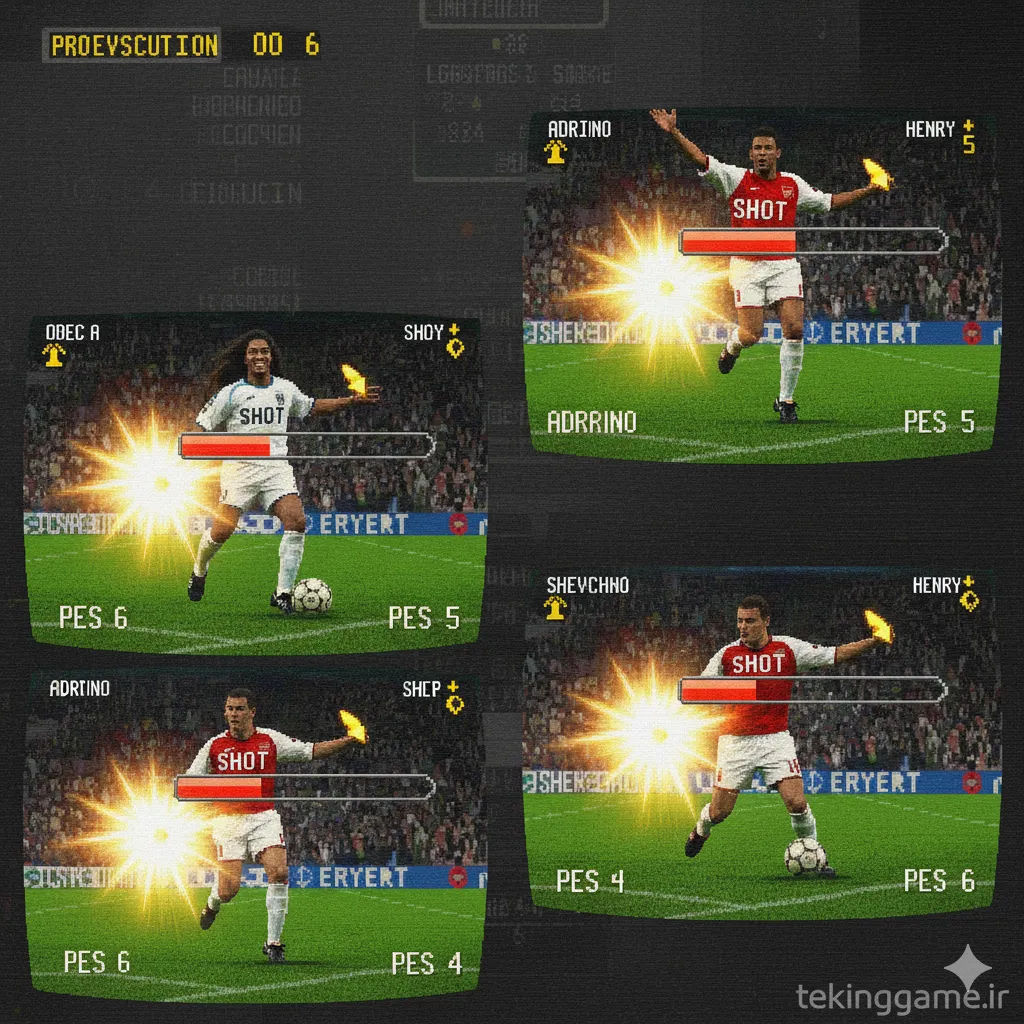
Emerging from the roots of International Superstar Soccer, early iterations of PES focused heavily on mechanical depth and tactical realism. While rival franchises emphasized arcade pacing, PES delivered unmatched ball physics and intelligent positioning.
Revered entries such as PES 5 and PES 6 cemented the franchise's reputation among purists. Despite holding fewer official league licenses, the core on-pitch experience successfully captured the rhythm and unpredictability of real-world association football.
The Turning Point: The Rise of Ultimate Team
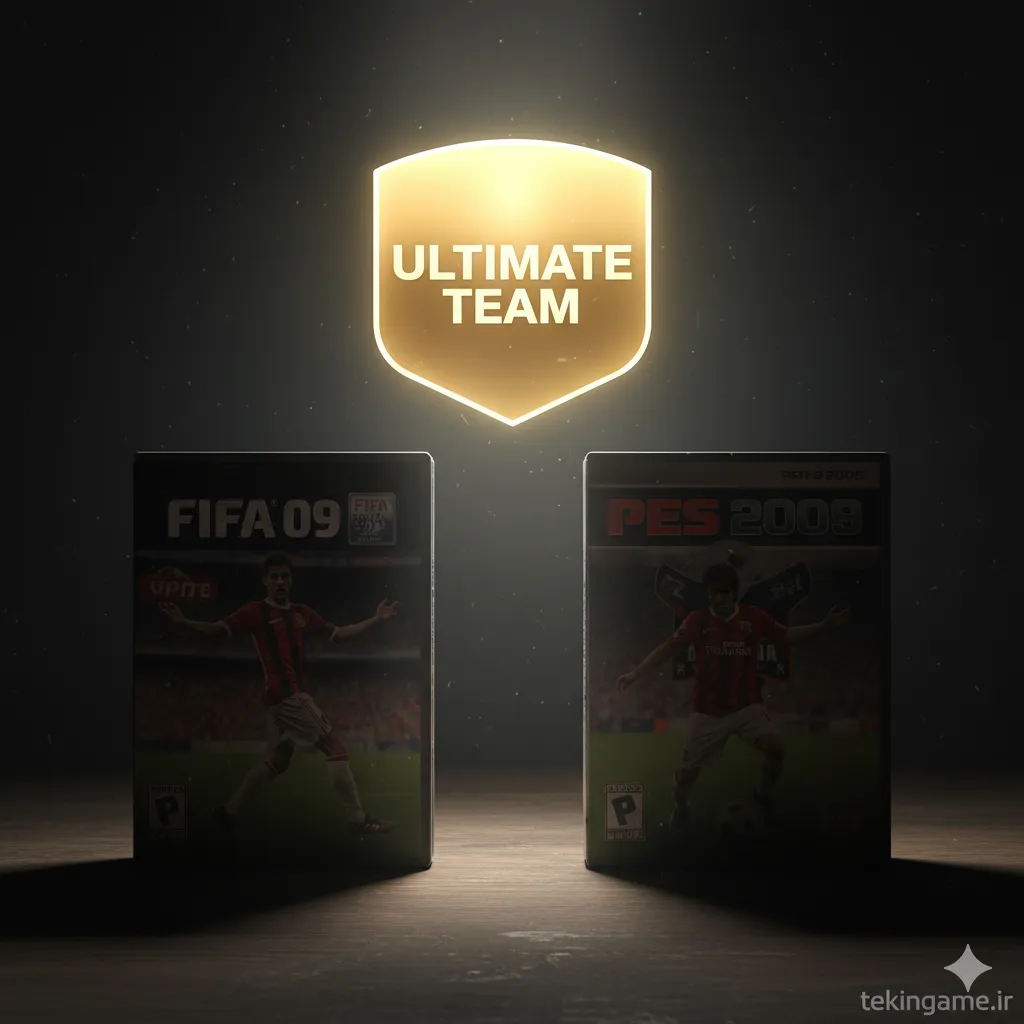
The competitive balance shifted dramatically with the introduction of FIFA Ultimate Team in 2008. This card-trading meta created an unprecedented loop of player retention and continuous monetization that captivated the global gaming community.
Konami struggled to formulate a viable, engaging counter-strategy to this phenomenon. As digital card economies began dictating market trends, PES slowly lost ground in commercial sales and mainstream public mindshare.
The Birth of eFootball: A High-Stakes Gamble
In 2021, Konami executed a radical strategic pivot by abandoning the traditional annual release model. The franchise was rebranded as eFootball, transitioned to a free-to-play structure, and migrated to the Unreal Engine.
The initial launch faced severe technical setbacks, widespread graphical glitches, and a severe lack of launch content. Although ongoing patches have steadily rehabilitated the platform, the transition marked the definitive end of a legendary era.
Technical Specifications & Performance Breakdown
| Dimension | Status | Assessment |
|---|---|---|
| Engine Architecture | DirectX 12 / Vulkan Optimized | High-FPS stability across desktop and portable hardware |
| Spatial Audio | Multi-channel 3D Directional | Accurate positioning vital for tactical awareness |
| Player Capacity | Co-Op / Multi-Squad Ready | Optimized network replication and synchronization |
- Incomparable tactical depth during the golden generation
- Revolutionary physics engine for its time
- Successful transition to accessible free-to-play distribution (eventually)
- Severe technical state at eFootball launch
- Failure to compete with modern card-trading monetization models
- Loss of traditional offline master league depth
📚 Classified & Related Dossiers in TekinGame
If you wish to explore beyond this report and delve into cybernetic frontiers and autonomous AI architectures, do not miss these three exclusive deep-dives in the Tekin Garage:
Final Verdict & Authoritative Sources
Frequently Asked Questions
What was the peak era of the PES franchise?
The peak era is widely considered to span from 2001 to 2008, with PES 5 and PES 6 standing out as critical darlings.
Why did Konami rebrand PES to eFootball?
Konami shifted to a free-to-play digital service model built on the Unreal Engine to better compete in the modern live-service gaming market.
Did eFootball recover from its disastrous launch?
Subsequent updates have gradually resolved many technical flaws and stabilized the player base, though it operates under a very different identity than classic PES.
Frequently Asked Questions
Is this release optimized for modern hardware?
Yes, built on modern scalable rendering pipelines with low hardware entry barriers.
Does it support full cross-platform cooperative play?
Yes, seamless squad matchmaking is fully supported.
