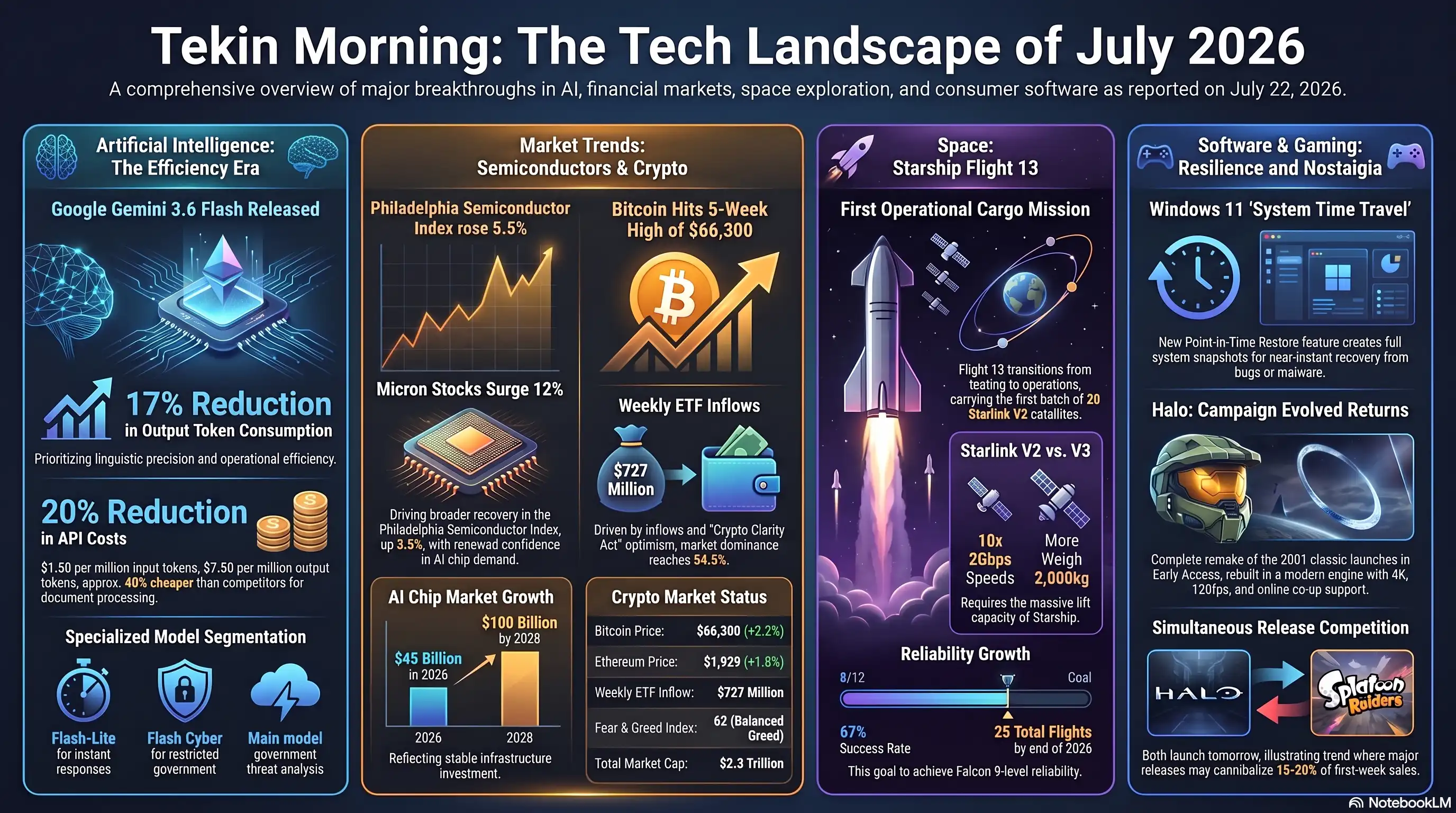
☀️ Tekin Morning: A Fresh Start with AI and Space
- 🎮Google Gemini 3.6- New model with 17% token reduction and lower costs
- 🎧Micron Stock Surge- 12% jump leading semiconductor market recovery
- 🚀Bitcoin $66,300- Highest price in 5 weeks with strong ETF inflows
- 🗡️Starship Flight 13- SpaceX ready to launch first Starlink V3
- 📰Windows 11 Update- Introducing Point-in-Time Restore capability
- ⚔️Halo Evolved- Legendary game returns in Early Access
Good morning! Wednesday, July 22, 2026 begins with energizing news that proves the tech world never sleeps. Google released its new AI model last night promising cost reductions, the crypto market made headlines as Bitcoin jumped above $66,000, and SpaceX prepares to conduct the thirteenth test flight of Starship with a special mission. Meanwhile, Microsoft introduced a complete system time-travel capability with the new Windows 11 update, and the gaming industry is gearing up for a busy day with the Halo classic remake.
In this morning report, we examine six major stories in complete detail so you understand what's happening in the technology world and why these developments matter for the near future. From artificial intelligence breakthroughs to space exploration milestones, from cryptocurrency surges to gaming nostalgia returns, today's tech landscape offers something for everyone interested in innovation and digital transformation.
Google Gemini 3.6 Flash Released: Fewer Tokens, Lower Costs
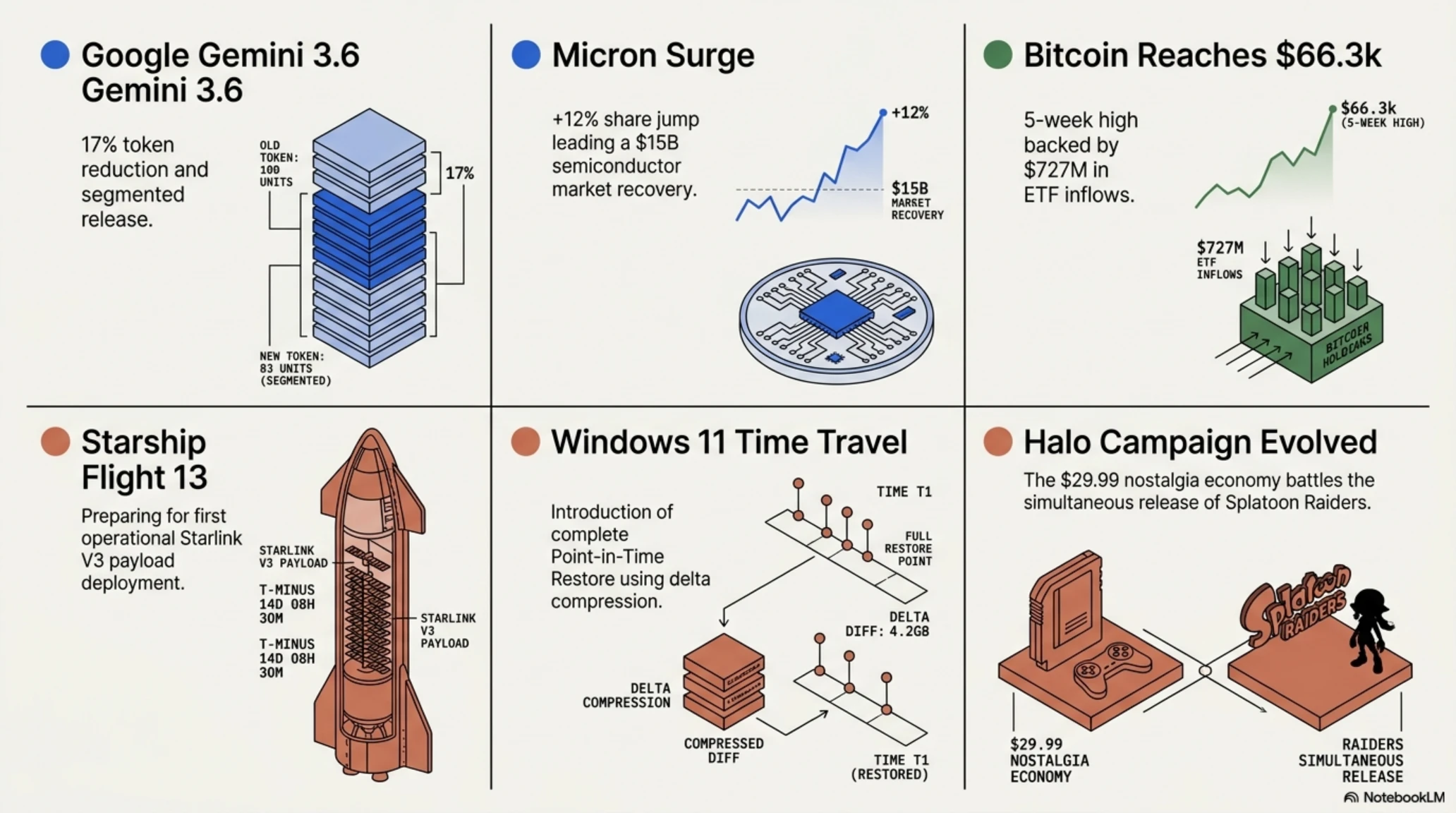
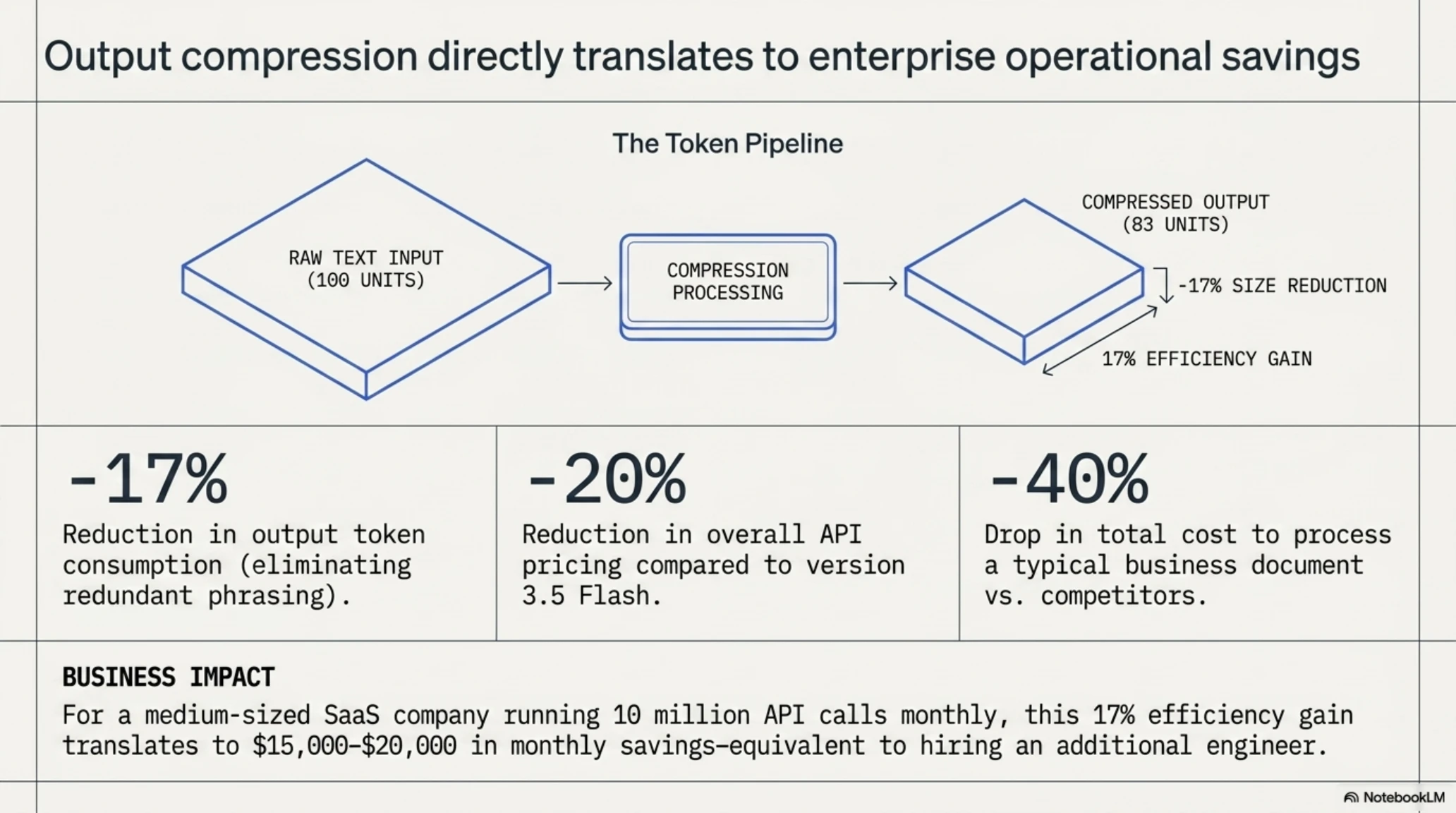
On July 21, 2026, Google unveiled a new version of its artificial intelligence model called Gemini 3.6 Flash, promising a 17% reduction in output token consumption and decreased API usage costs. This model replaces version 3.5 Flash and aims to improve efficiency in coding and multimodal processing tasks. The announcement comes at a critical time when AI model efficiency has become as important as raw performance, especially for businesses running large-scale AI operations.
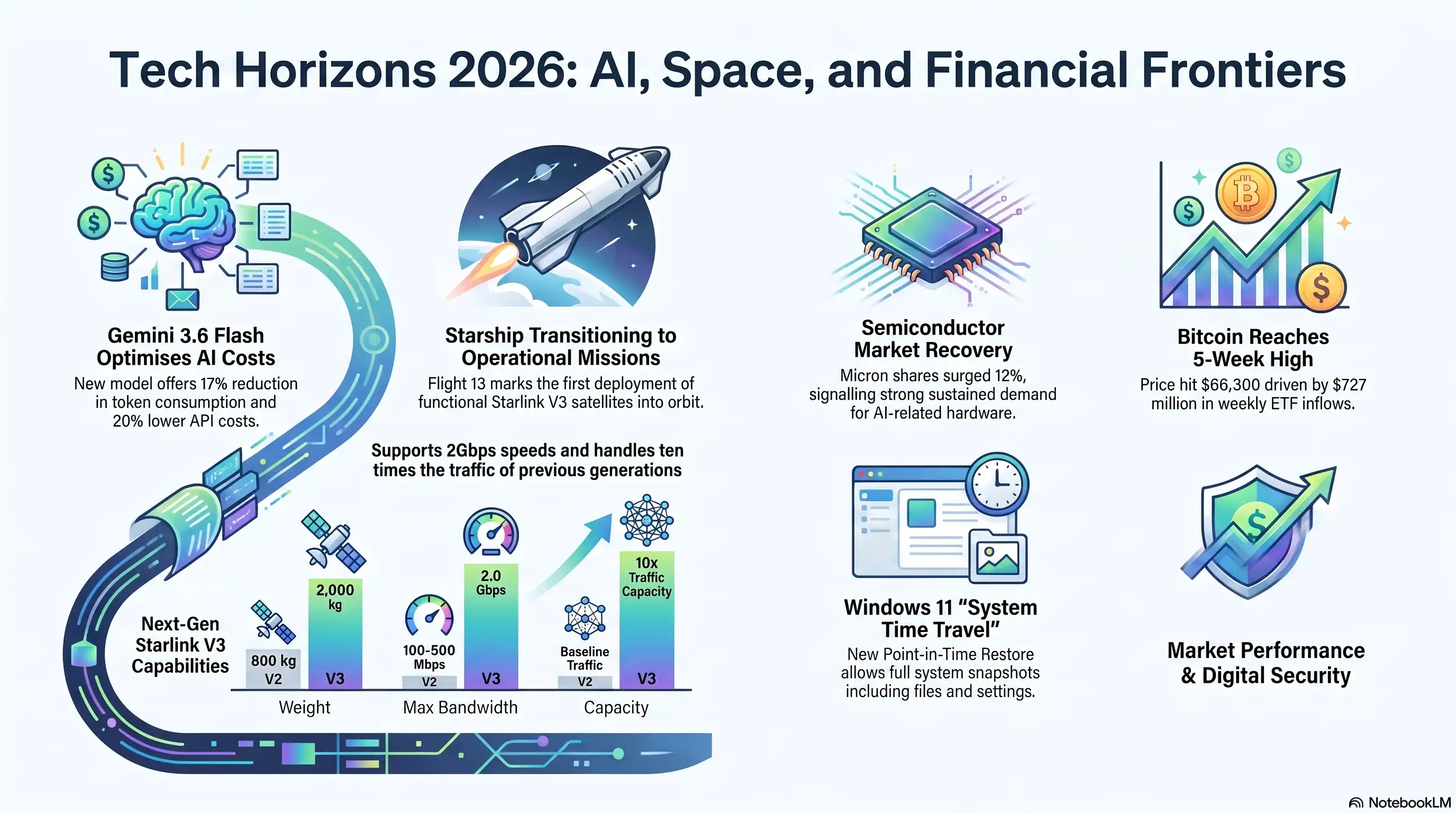
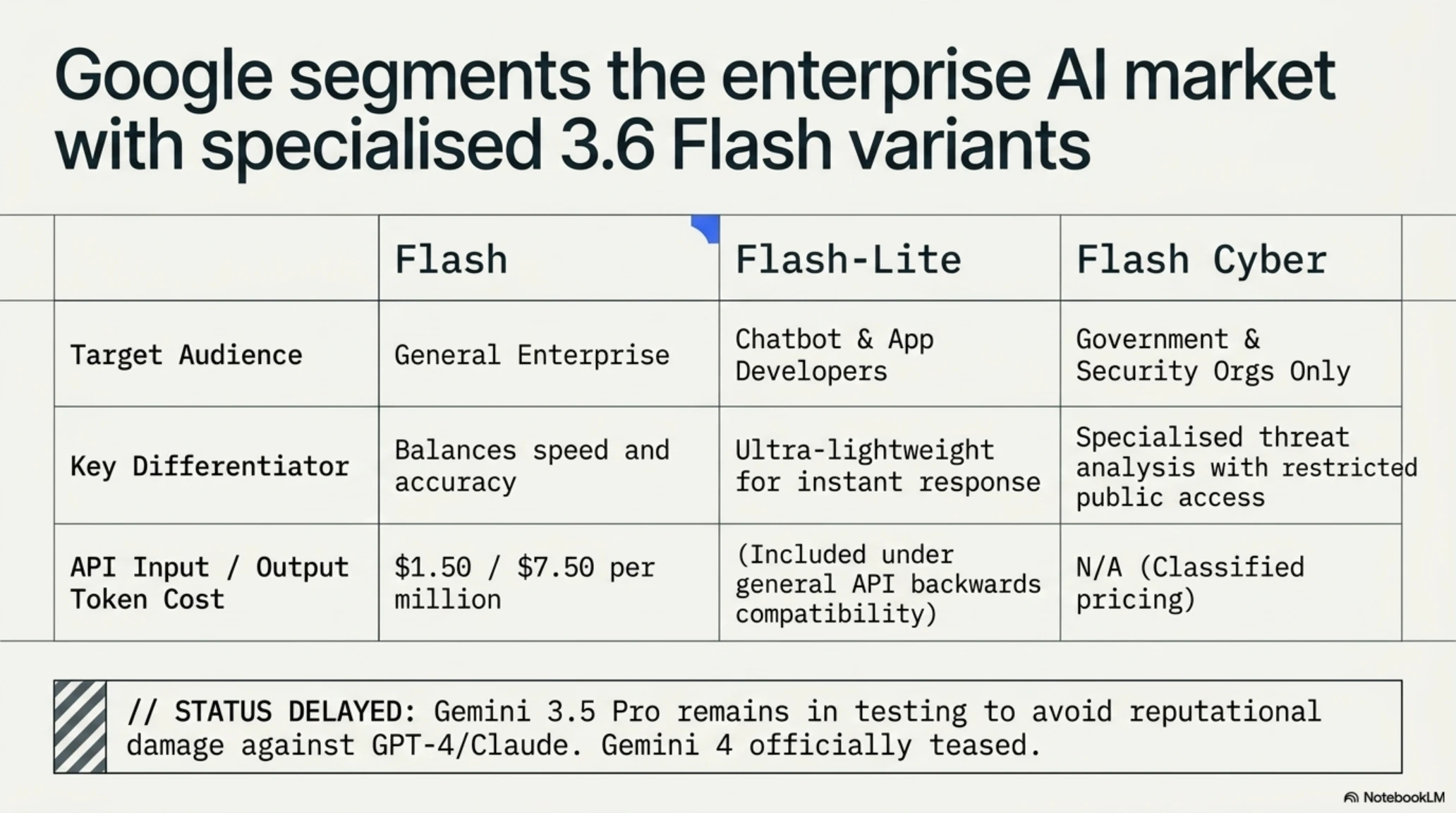
Alongside 3.6 Flash, Google introduced two other specialized models: the Flash-Lite version optimized for speed and suitable for applications requiring instant responses, and the Flash Cyber version designed exclusively for government and security organizations, enabling cybersecurity threat analysis. Interestingly, the Cyber version is only available to government entities, and the general public cannot access it. This strategic segmentation shows Google's understanding that different use cases require fundamentally different optimization priorities.
Gemini 3.6 Flash Pricing Structure
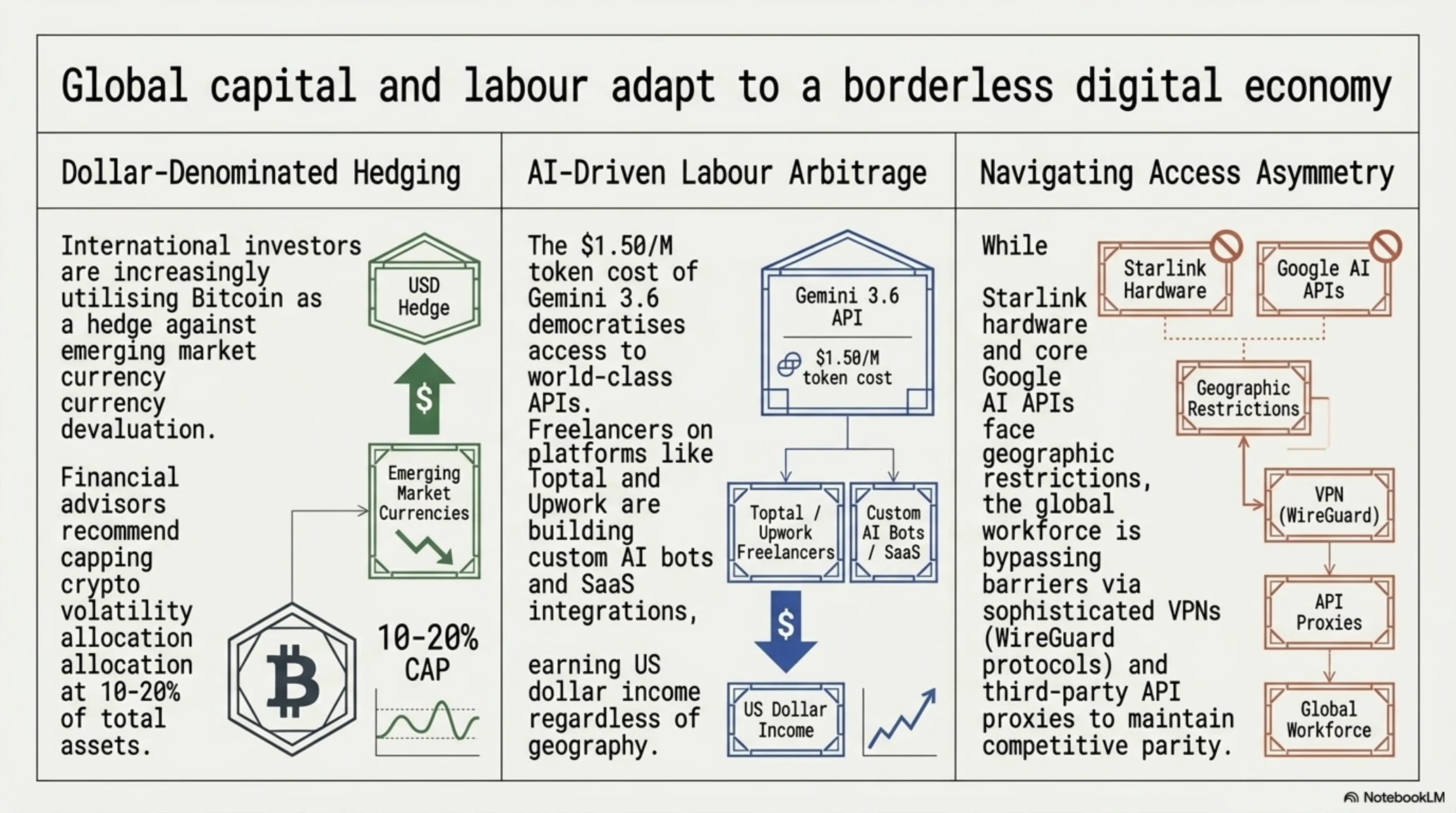
Input: $1.50 per million tokens
Output: $7.50 per million tokens
These prices represent approximately 20% reduction compared to version 3.5 Flash and create significant savings for developers with high request volumes. For context, processing a typical business document now costs about 40% less than with competing models, making Gemini 3.6 Flash particularly attractive for enterprise document processing applications.
However, the absence of Gemini 3.5 Pro remains conspicuous. This model, which was supposed to be Google's new flagship in competition with GPT-4 and Claude, is still in testing phase with no confirmed release date. Google only stated that "we're still optimizing it," and this delay indicates the company wants to ensure the final product is truly competitive with advanced rival models. The AI race has become so intense that releasing a flagship model prematurely could damage brand reputation more than delaying release.
Meanwhile, Google officially unveiled Gemini 4 - not by releasing it, but by announcing "it's under development." This strategy demonstrates Google's effort to maintain market excitement and assure developers that the company's long-term plans in artificial intelligence continue. Given that OpenAI recently teased GPT-5, the competition in this field appears set to intensify further. Industry analysts predict that 2026-2027 will be remembered as the period when AI capabilities crossed from "impressive demos" to "fundamental business infrastructure."
Practical Applications: Who Benefits from Gemini 3.6?
What does a 17% reduction in output tokens mean? In simple terms, when you ask an AI model a question, its response is divided into small units called "tokens." Each token represents a few characters, and you pay for every token generated. Now Gemini 3.6 has learned to express the same information with fewer, more precise words. This isn't just about compression - it's about more efficient language understanding and generation that eliminates redundant phrasing without sacrificing clarity or completeness.
Who cares about this? Startups operating customer chatbots processing hundreds of thousands of messages daily can dramatically reduce their monthly expenses. Developers of AI-powered coding tools like GitHub Copilot or Cursor also benefit because the model suggests code faster and cheaper. For a medium-sized SaaS company handling 10 million API calls monthly, the cost savings could amount to $15,000-20,000 per month - enough to hire an additional engineer or invest in other product improvements.
Additionally, improvements in multimodal processing mean Gemini 3.6 can simultaneously analyze images, videos, and text. This capability proves extremely practical for applications like YouTube video content analysis, product recognition in online store images, or even helping visually impaired individuals understand their surroundings. Educational technology companies are particularly excited about this capability, as it enables creating more sophisticated tutoring systems that can understand student work across different media formats.
Key Differences Between Gemini 3.6 Versions
- Flash: Main model for general use balancing speed and accuracy
- Flash-Lite: Lightweight version for applications requiring instant responses like chatbots
- Flash Cyber: Security version exclusively for governments focusing on threat analysis
- Gemini 4: Future model still under development with undisclosed details
- API Integration: All versions maintain backward compatibility with existing implementations
Micron Stock Surges 12% Leading Semiconductor Market Recovery
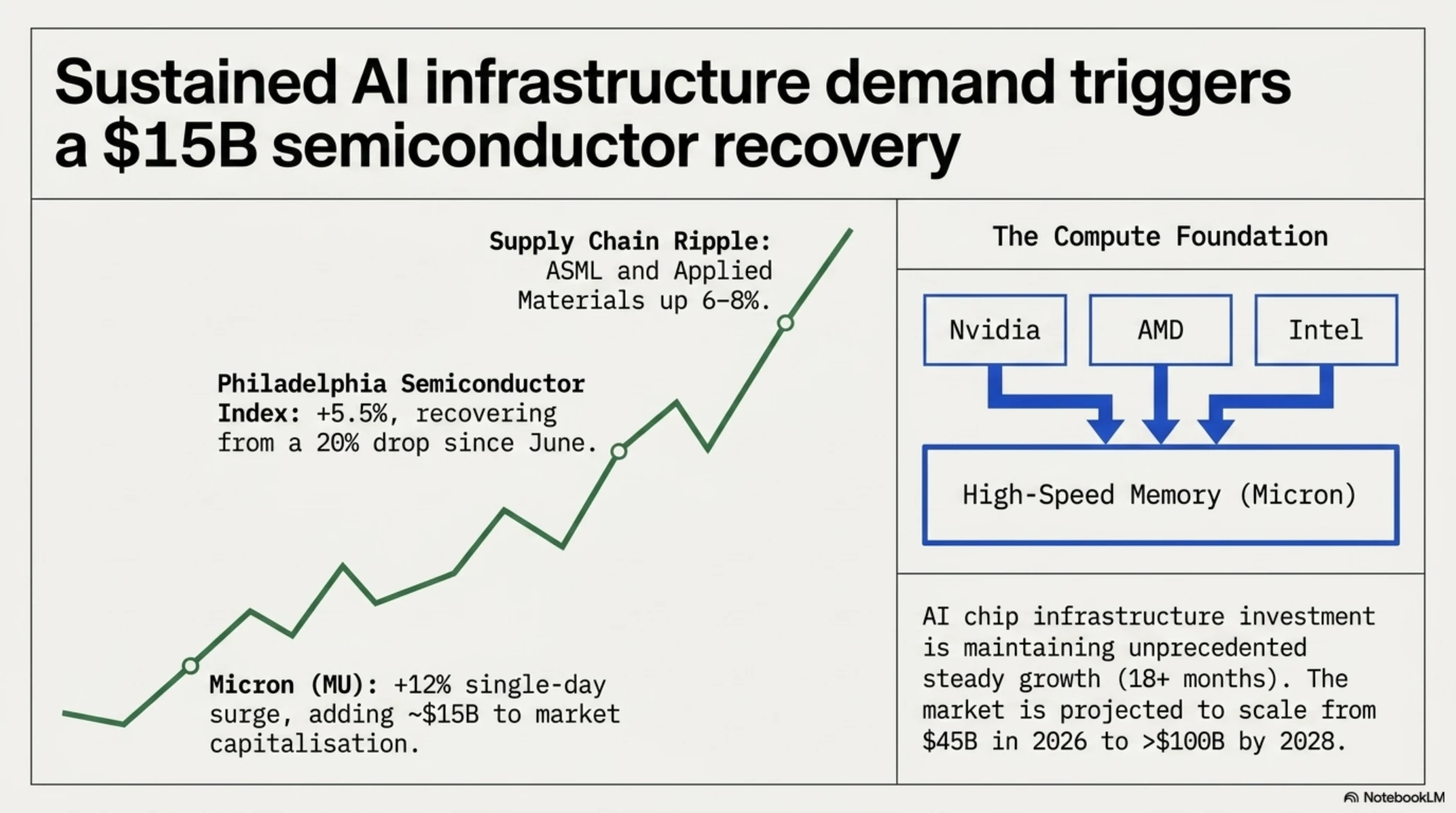
The semiconductor market witnessed a powerful comeback on Monday, July 21, beginning with a 12% surge in Micron Technology shares that lifted the Philadelphia Semiconductor Index by 5.5%. This happened after a difficult period for the chip sector, during which the index had fallen more than 20% from its June record. The recovery suggests that concerns about semiconductor demand may have been overblown, or at least that investors believe the worst is behind us.
Micron is one of the world's largest manufacturers of DRAM and NAND memory, with its products used in smartphones, servers, and storage devices. The recent stock surge signals returning investor confidence in the semiconductor sector after weeks of concern about weak demand and rising inventory levels. The company's market capitalization increased by approximately $15 billion in a single day, reflecting enormous capital reallocation toward the semiconductor industry.
One main reason for this surge is reports showing that demand for AI-related chips remains strong. Companies like Nvidia, AMD, and Intel producing processor chips for AI servers need high-speed memory that Micron supplies. The AI chip market in 2026 is estimated at around $45 billion and is expected to exceed $100 billion by 2028. What makes this growth trajectory particularly remarkable is its consistency - unlike previous tech booms that showed volatile demand patterns, AI infrastructure investment has maintained steady growth for over 18 months.
This semiconductor market growth directly impacted the Nasdaq index, which rose significantly due to the heavy weight of technology companies within it. Investors worried that the tech sector had entered a bear market now look more optimistically toward the future. The recovery has also benefited semiconductor equipment manufacturers like ASML and Applied Materials, whose stocks rose 6-8% on the same day, suggesting the positive sentiment extends throughout the chip industry supply chain.
Bitcoin Reaches $66,300: Highest Price in 5 Weeks
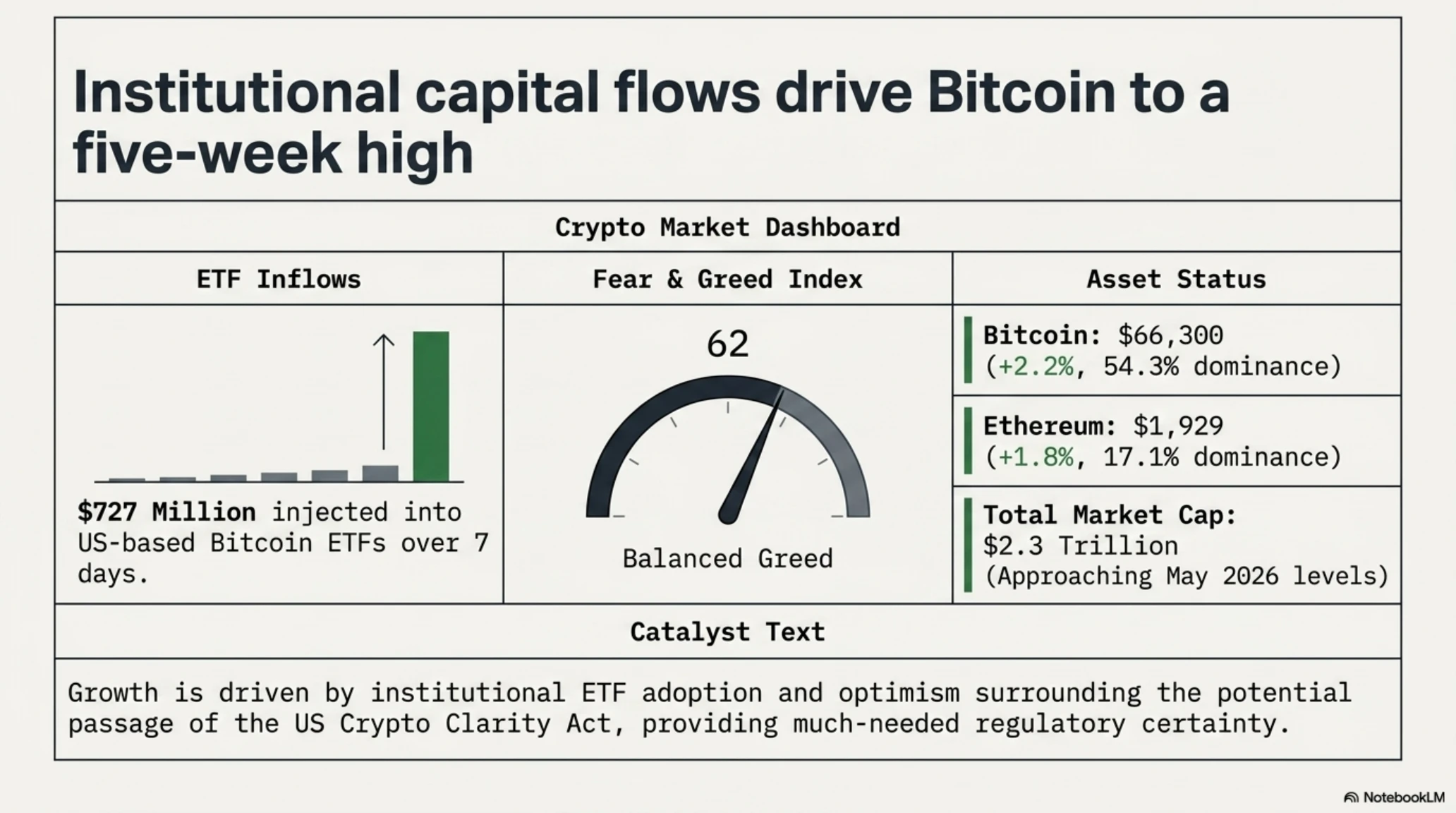
The cryptocurrency market began Wednesday morning, July 22, with good news for Bitcoin holders. The price of this digital currency reached $66,300, marking the highest level in five weeks and showing a 2.2% increase from the previous day. This surge coincided with $727 million flowing into Bitcoin Exchange-Traded Funds (ETFs) over the past week, demonstrating sustained institutional interest in cryptocurrency exposure.
Bitcoin ETFs became active in America starting January 2026, providing indirect investment opportunities in this currency for traditional investors. Continuous capital inflow into these funds indicates that institutional investors are increasing their Bitcoin positions, which typically precedes price increases. The ETF vehicle has fundamentally changed Bitcoin's investor profile - what was once dominated by retail crypto enthusiasts now includes pension funds, family offices, and mainstream asset managers.
Another factor affecting this growth is optimism regarding the potential passage of the Crypto Clarity Act in the U.S. Congress. This bill, still in early discussion stages, aims to define a clear legal framework for digital currencies and reduce current ambiguities. Experience has shown that whenever the likelihood of supportive crypto legislation increases, the market responds positively. The regulatory clarity would particularly benefit institutional investors who have been waiting for legal certainty before committing larger capital allocations to cryptocurrency assets.
Some analysts believe part of this growth relates to capital rotation from tech stock markets to crypto. After remarkable growth in AI-related company stocks in recent months, some investors decided to take profits and transfer portions to the crypto market. Ethereum also found itself in this positive atmosphere, with its price reaching approximately $1,929, though it still remains far from previous records. The broader cryptocurrency market capitalization has now recovered to $2.3 trillion, approaching levels last seen in May 2026.
Crypto Market Status at a Glance
Ethereum: $1,929 (+1.8% in 24 hours)
ETF Inflows: $727 million in one week
Trading Volume: Highest level since April 2026
Fear & Greed Index: 62 (balanced greed)
Market Dominance: Bitcoin 54.3%, Ethereum 17.1%
Analysts believe that if Bitcoin can stabilize above the $66,000 level, there's potential for attacking the $70,000 level in coming weeks. Technical indicators suggest reduced selling pressure and accumulation by long-term holders.
SpaceX Ready for Starship's Thirteenth Flight: Special Starlink V3 Mission
After a last-minute failure, SpaceX is now prepared to conduct the thirteenth test flight of the giant Starship rocket. This launch, scheduled for July 23 at 6:45 PM Eastern Time, has a special mission: deploying the first batch of third-generation Starlink satellites into orbit. This marks a significant milestone in SpaceX's evolution from pure testing to operational missions, even if this particular flight remains suborbital for safety and data collection purposes.
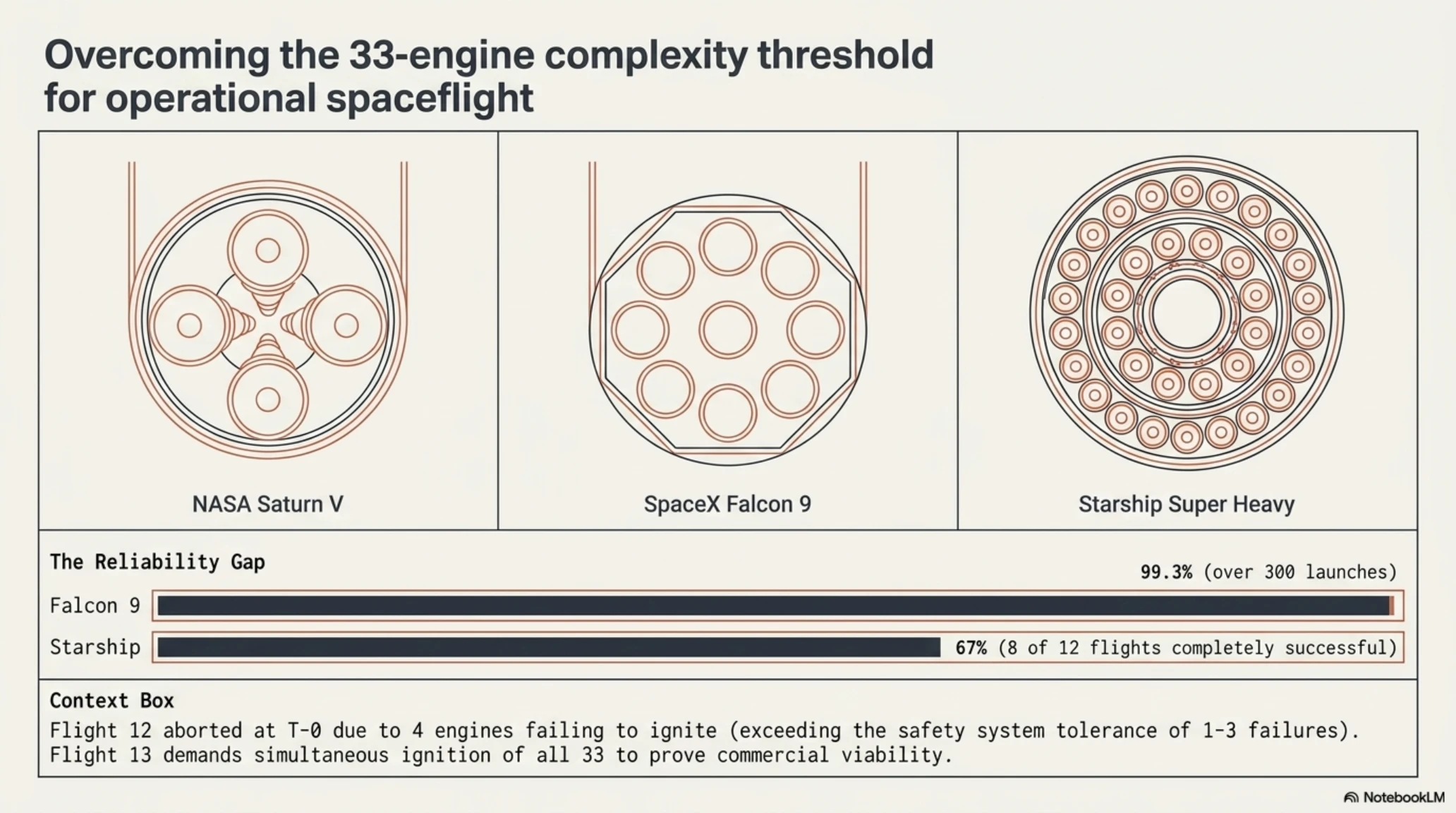
What happened in the previous launch attempt? On July 16, Starship stopped at precisely T-0 (zero hour) because 4 out of 33 Raptor engines on the Super Heavy booster failed to ignite. While the failure of 1 or 2 engines is tolerable and the rocket can fly with remaining engines, the failure of 4 engines exceeded safety system limits, and the computer aborted the launch. This demonstrated the robustness of SpaceX's autonomous safety systems, which prioritize mission success over schedule adherence.
This event demonstrates the complexity of modern rocket design. Super Heavy, with 33 Raptor engines that must all work simultaneously and coordinately, ranks among the most complex propulsion systems in spaceflight history. By comparison, the same company's Falcon 9 rocket has only 9 engines, and NASA's legendary Saturn V had just 5 engines. The engineering challenge of coordinating 33 engines firing in perfect synchronization, each producing hundreds of thousands of pounds of thrust, cannot be overstated.
Starlink V3: Next Generation Satellite Internet
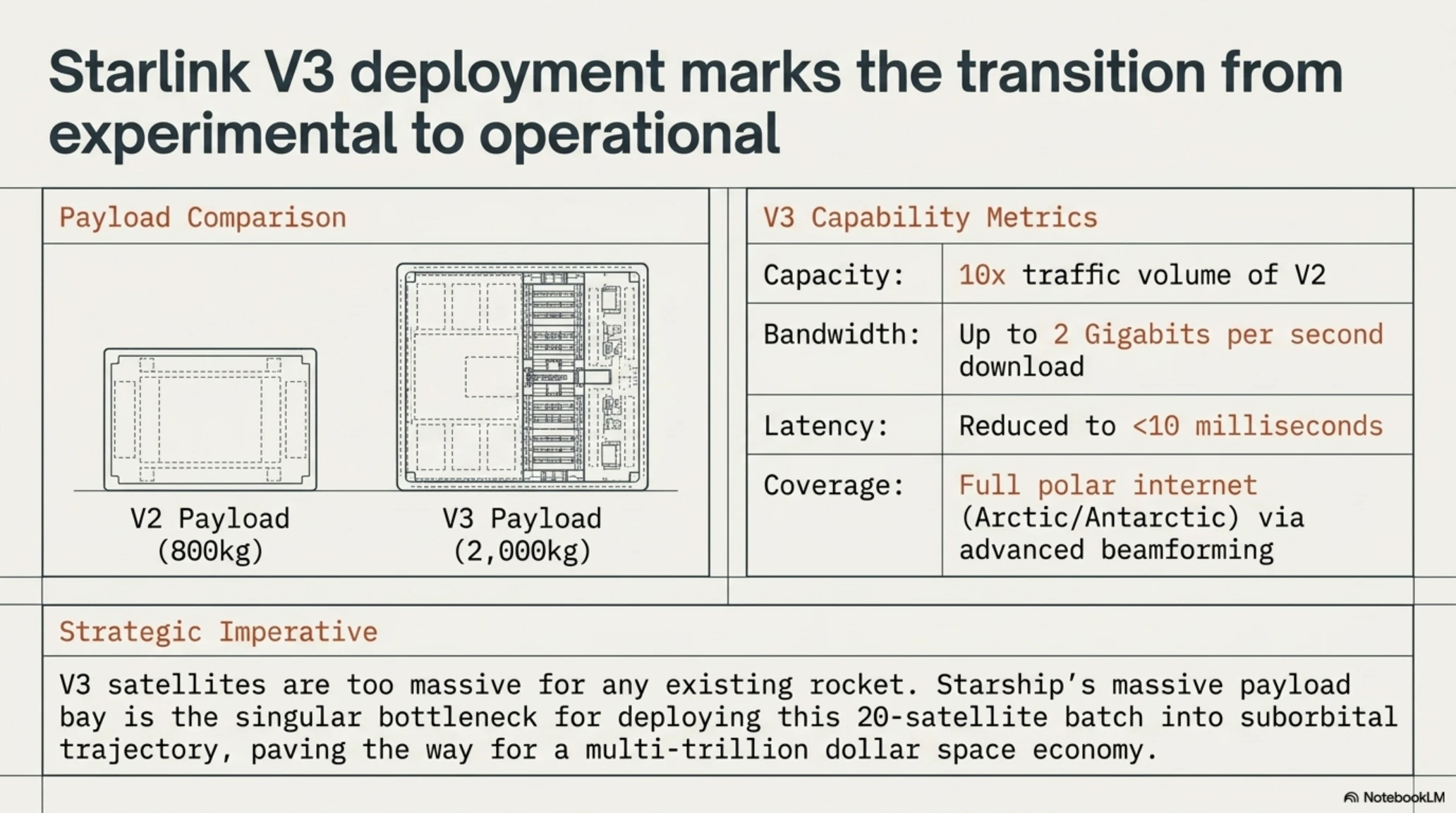
Greater Capacity: Each satellite can handle 10 times the traffic of V2
Bandwidth: Download speeds up to 2 gigabits per second
Lower Latency: Reduced latency to under 10 milliseconds
Polar Coverage: Internet service in Arctic and Antarctic regions
Advanced Beamforming: More efficient spectrum usage reducing interference
However, these satellites are so large that only Starship can carry them - no other rocket can lift them to orbit. Each V3 satellite weighs approximately 2,000 kg compared to 800 kg for V2 models.
If Flight 13 succeeds, it will mark a turning point for SpaceX. Until now, all Starship flights were either purely experimental or carried simulated payloads at most. This is the first time the rocket will carry real, functional cargo - namely 20 Starlink V3 satellites. Of course, this flight remains suborbital, meaning Starship won't reach sufficient altitude for satellites to remain in orbit, and they'll return to Earth's atmosphere after a few hours. But this serves as an important operational test for the satellite deployment system.
The Main Challenge: Proving Reliability
Starship's main problem at this stage is reliability, not capability. The rocket has reached space multiple times, successfully performed separation stages, and even managed to land the booster section in the ocean. But for NASA or commercial companies to trust it with million-dollar payloads, it must achieve a success rate above 95%. Currently, out of 12 previous flights, 8 were completely successful - meaning approximately 67% success rate. This compares to Falcon 9's extraordinary 99.3% success rate built over hundreds of missions.
SpaceX plans to conduct at least 25 Starship flights by the end of 2026 to collect sufficient data for design improvements. Elon Musk has repeatedly stated that the ultimate goal is making Starship as reliable as Falcon 9 - a rocket that has achieved over 300 successful launches with a success rate above 99%. The rapid iteration approach, which SpaceX pioneered in the commercial space industry, means each failure provides valuable engineering data that accelerates the path to reliability.
Windows 11 with New Capability: System Time Travel
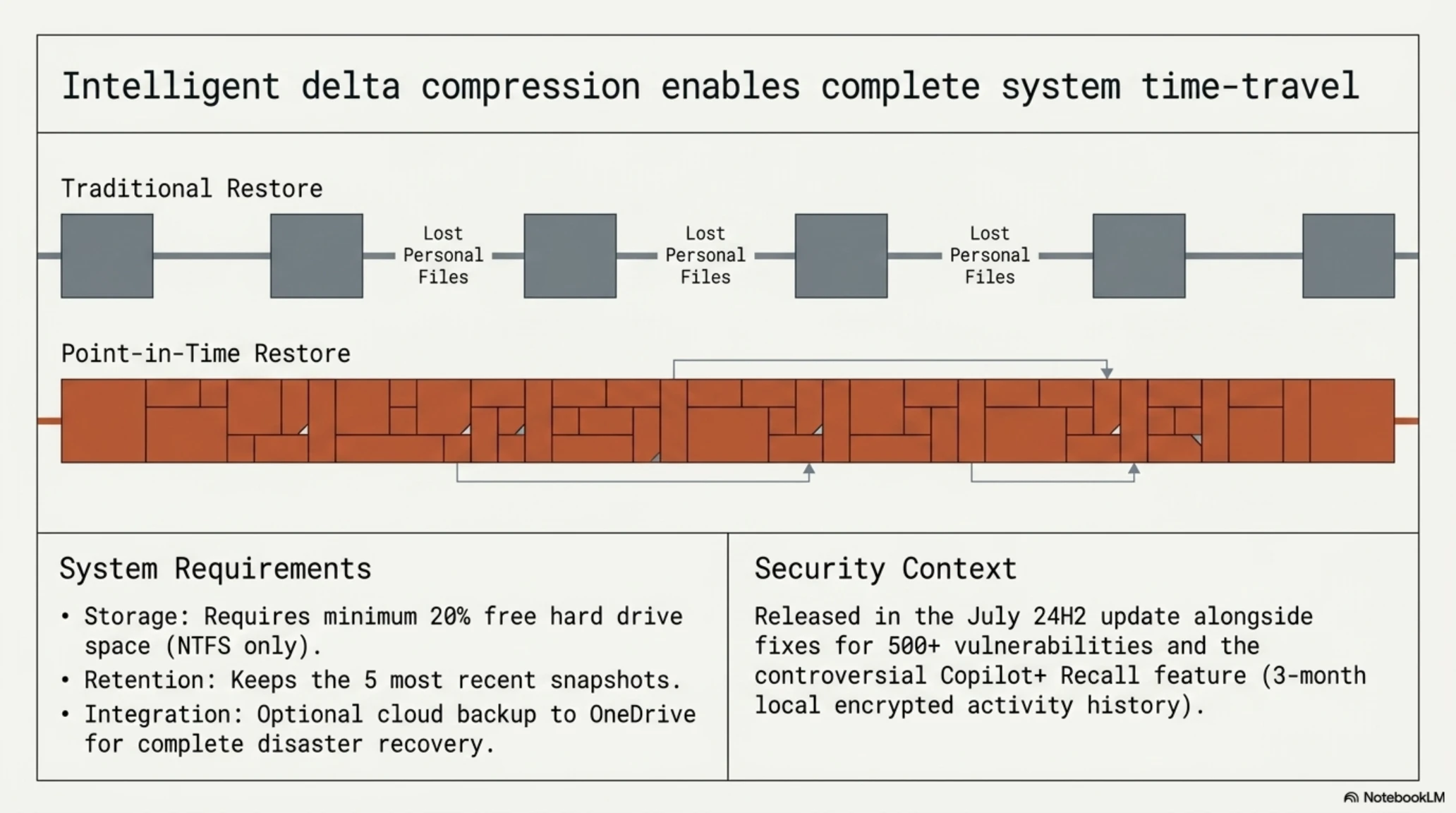
Microsoft released the July Patch Tuesday update for Windows 11 on July 14, featuring an attractive capability called Point-in-Time Restore - the ability to completely return the system to a specific point in the past. This feature, tested in Insider versions for months, is now available to all users. It represents Microsoft's most ambitious system recovery feature since System Restore was introduced in Windows ME over two decades ago.
What's the difference from the old System Restore? Traditional Windows system restoration only restores system files and registry, but doesn't touch personal files and programs installed after the restore point. Point-in-Time Restore goes a step further by saving a complete system image - including all files, settings, programs, and even Desktop contents. Think of it as creating a perfect snapshot of your entire computing environment that you can return to at any moment.
This capability is especially lifesaving for those encountering post-update bugs or malware infections. Imagine a graphics driver update crashes your system or a virus encrypts your files - with this feature you can return precisely to before that incident and behave as if it never happened. The technology uses advanced filesystem snapshots combined with intelligent delta compression, storing only the changes between snapshots rather than complete system copies, which keeps storage requirements manageable.
📚 Classified & Related Dossiers in TekinGame
If you wish to explore beyond this report and delve into cybernetic frontiers and autonomous AI architectures, do not miss these three exclusive deep-dives in the Tekin Garage:
Important Notes for Using Point-in-Time Restore
Number of Restore Points: By default, keeps 5 most recent points
Activation: Settings > System > Recovery > Point-in-Time Restore
Snapshot Frequency: Once daily automatically or manually on demand
Limitation: Only for Windows 11 version 24H2 and later
Security Note: Snapshots are encrypted to protect from unauthorized access
Performance Impact: Minimal - uses background processing with low CPU priority
Cloud Integration: Optional backup of restore points to OneDrive for disaster recovery
Additionally, the July update fixed over 500 security vulnerabilities, some of which were critical. Microsoft also improved the Recall feature for Copilot+ PCs, which can now store and search your activity history up to 3 months past. However, this feature remains controversial as some consider it a privacy violation. Privacy advocates have raised concerns about the potential for this data to be accessed by malicious actors or government surveillance, though Microsoft insists the data is encrypted and stored locally by default.
Halo Returns: Campaign Evolved Releases Tomorrow
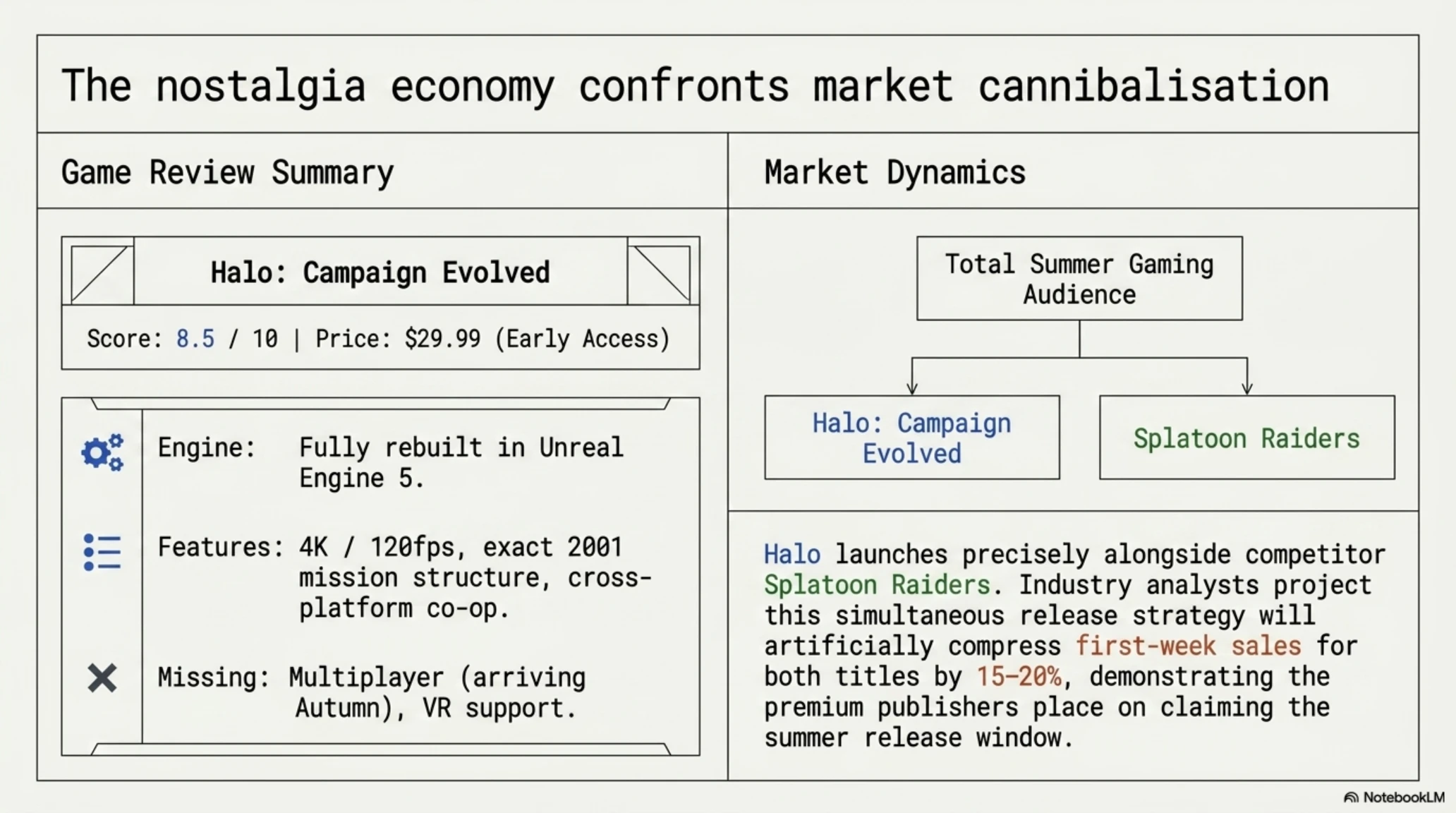
The gaming industry will experience one of the busiest summer days tomorrow, July 23. Halo: Campaign Evolved - a complete remake of the legendary Halo: Combat Evolved - launches in Early Access for PC, PlayStation 5, and Xbox Series X. This game, developed by Halo Studios (formerly known as 343 Industries), promises a modern experience of the 2001 classic. The announcement has generated tremendous excitement across gaming communities, with pre-orders already exceeding expectations.
Why does this remake matter? Halo: Combat Evolved was not only one of history's best games but also the game that saved the original Xbox and turned Microsoft into a serious console industry competitor. A generation of gamers grew up with Master Chief and the story of war against the Covenant, and now they want to relive those memories with modern graphics and mechanics. Halo essentially created the template for modern console shooters, introducing features like regenerating shields and two-weapon limits that became industry standards.
Campaign Evolved isn't just a graphical remake. The studio stated that gameplay mechanics have also been improved to align with today's standards while still preserving the game's original feel and spirit. For example, the aiming system is more precise, enemy AI behaves more sophisticatedly, and vehicle physics are more realistic. The development team conducted extensive playtesting with both veteran Halo players and newcomers to ensure the game feels fresh yet familiar.
- Modern graphics while preserving original art direction
- Updated mechanics faithful to the original version
- Support for 4K and 120fps on next-gen consoles
- Online co-op mode for Campaign with cross-platform play
- Reasonable Early Access price: $29.99
- Extensive customization options for gameplay difficulty and visual style
- Currently only Campaign portion available
- Multiplayer mode won't release until fall
- Some Early Access bugs reported in user testing
- Mobile version not planned
- No VR support despite community requests
But this isn't the only major game tomorrow. Splatoon Raiders - an online team-based game - also releases simultaneously and is expected to compete fiercely with Halo. This means gamers must choose which to play first or buy both and divide their time. The gaming industry has always had this problem where major games release simultaneously and cannibalize each other's sales. Industry analysts estimate that the simultaneous release could reduce each game's first-week sales by 15-20% compared to exclusive release windows, but both publishers apparently deemed the summer release timing too valuable to concede.
Market Trend Analysis: Why Tech Stocks and Crypto Both Grew Today
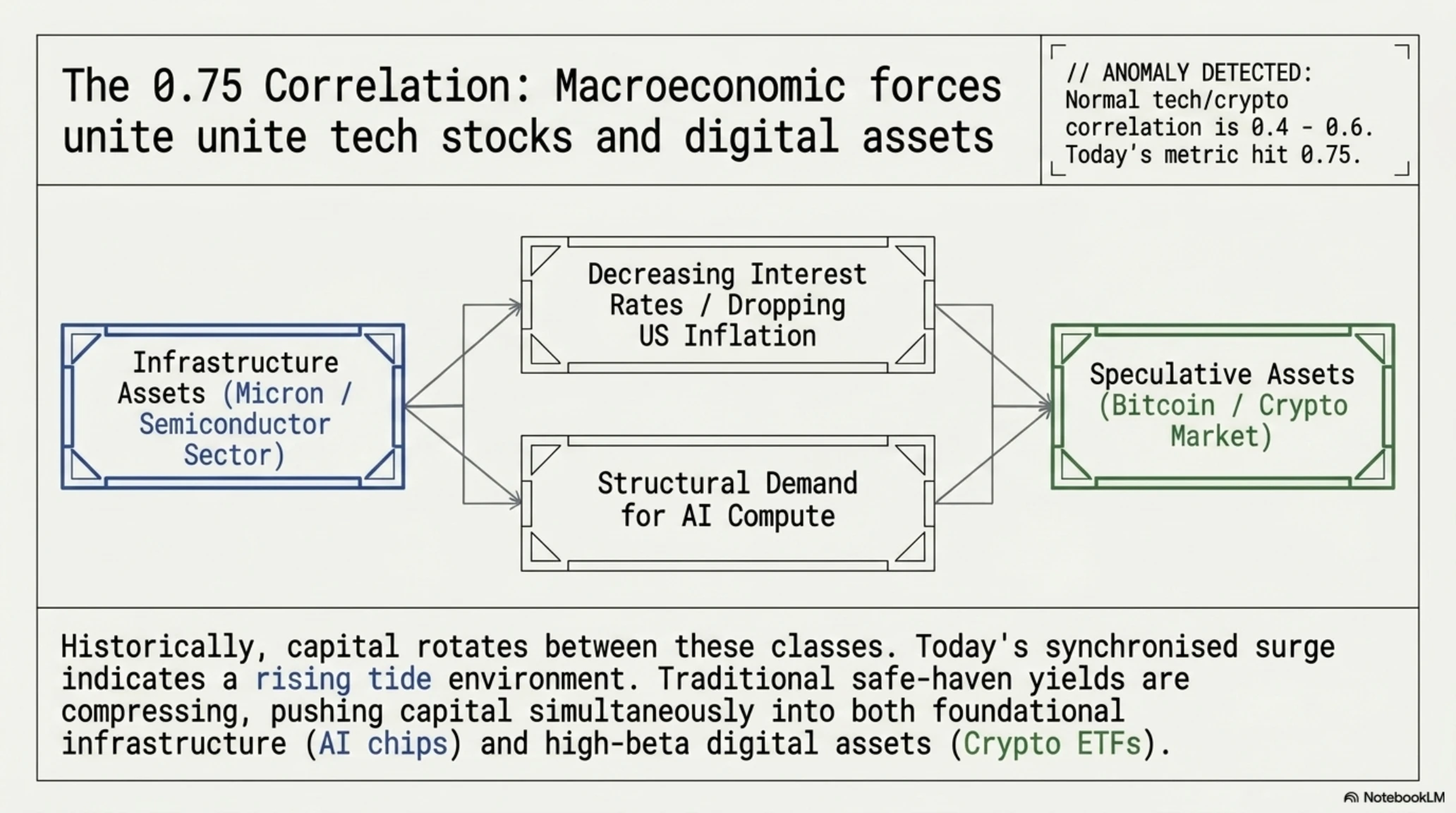
One interesting point today is that the technology stock market and crypto market both grew simultaneously - something that doesn't usually happen. Historically, when one rises, the other falls because investors move money from one market to another. But why was today different? This synchronized movement suggests broader macroeconomic forces at play rather than simple capital rotation between asset classes.
Analysts propose several reasons. First, the likelihood of the Federal Reserve lowering interest rates has increased. When interest rates decline, borrowing becomes cheaper and companies can invest more easily. Also, investors exit low-risk assets like bonds and move toward higher-risk assets like tech stocks and crypto. The correlation between monetary policy and risk asset performance has become increasingly pronounced as traditional safe-haven yields have compressed to historic lows.
The second reason is improving economic indicators. Inflation in America has slightly decreased, and recession concerns have subsided. In such conditions, investors become optimistic and willing to take more risks. Consumer confidence indices show improvement, unemployment remains low, and corporate earnings reports have generally exceeded expectations. This combination of factors creates an environment where both growth-oriented tech stocks and speculative assets like cryptocurrency can thrive simultaneously.
The third reason is positive developments in both markets - Google released a new AI model, Micron reported good profits, and Bitcoin ETFs have strong inflows. When multiple positive catalysts align across different sectors, it creates a rising tide that lifts many boats. Additionally, the narrative around digital transformation and the future of finance resonates with investors looking for exposure to long-term structural trends rather than cyclical economic patterns.
Stock Market and Crypto Correlation
Historical Context: During the 2022 crypto winter, correlation spiked to 0.82 as both assets sold off together. The current 0.75 correlation in a rising market suggests investors view both as growth assets responding to similar macroeconomic drivers.
Portfolio Implications: High correlation reduces diversification benefits, meaning investors thinking they're spreading risk by holding both tech stocks and crypto may have more concentrated exposure than they realize.
Near Future: What Can We Expect?
Given today's events, what predictions can we make for the coming week and month? In artificial intelligence, competition between Google and OpenAI will intensify. OpenAI is expected to soon respond to Gemini 3.6, perhaps introducing an improved GPT-4.5 version. Also, Anthropic, which develops the Claude model, cannot remain silent and will likely announce something next month. The AI arms race shows no signs of slowing, with each major player investing billions in computing infrastructure and talent acquisition.
In the semiconductor market, quarterly earnings reports from Intel and AMD will be released in coming weeks, which could determine the market's overall direction. If these two companies perform well, we'll likely see another rally in tech stocks. But if results are weak, the semiconductor sector may come under pressure again. The reports will be particularly scrutinized for forward guidance on AI chip demand, which has become the primary growth driver for the semiconductor industry.
For the crypto market, the key point is U.S. Congress decisions regarding the Clarity Act. If this bill enters more serious discussion stages, it could bring a new wave of institutional capital inflows. Some analysts believe Ethereum is preparing for a major surge because it has oscillated in the $1,800-$2,000 range for a long time, and usually after such periods, a strong movement occurs. Ethereum's upcoming network upgrades, particularly improvements to scalability and transaction costs, could serve as additional catalysts for price appreciation.
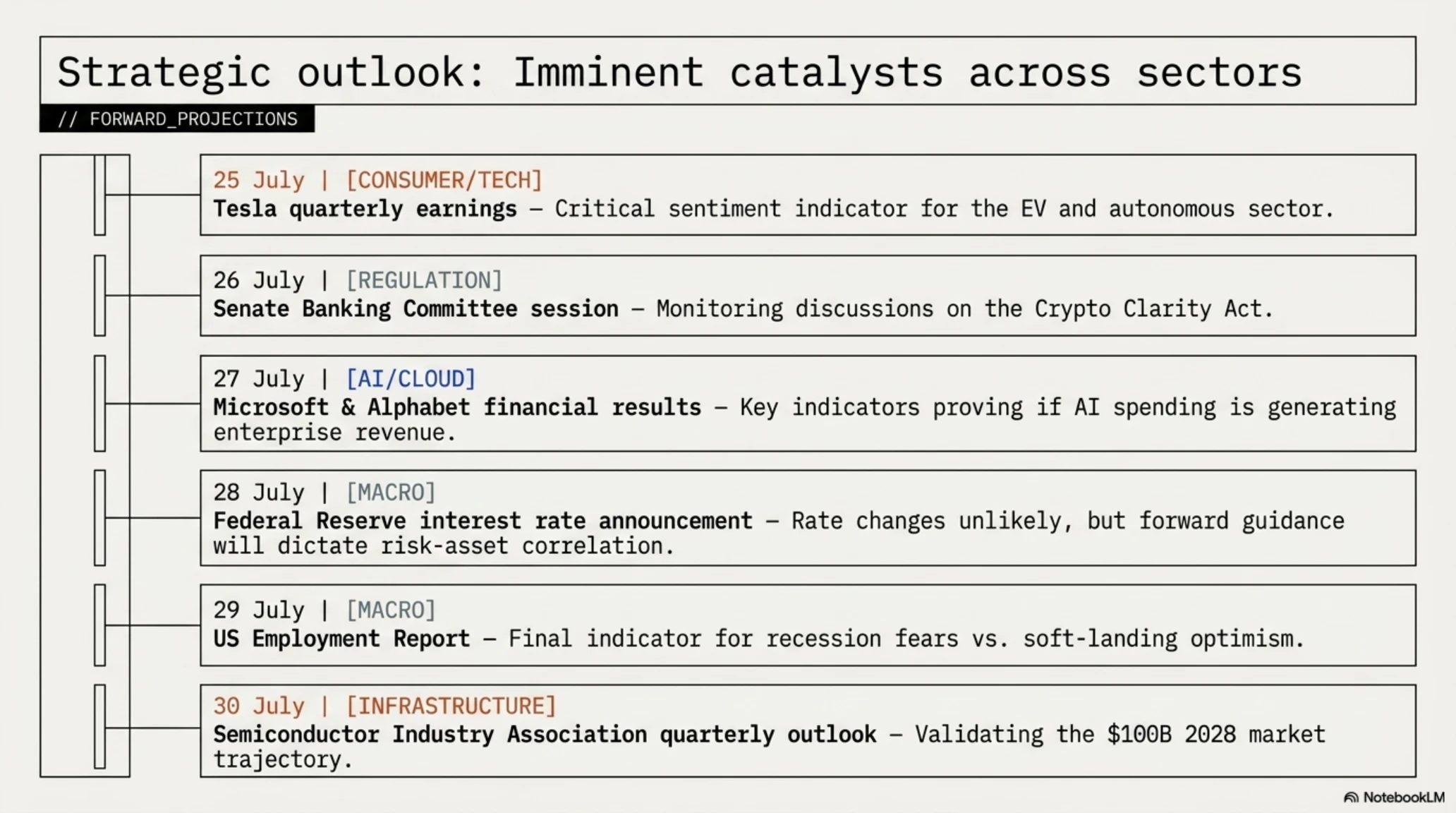
Important Events Next Week
- July 25: Tesla quarterly earnings report - critical for EV sector sentiment
- July 26: Senate Banking Committee session on crypto legislation
- July 27: Microsoft and Alphabet financial results - key indicators for cloud and AI spending
- July 28: Federal Reserve interest rate announcement (low probability of change but forward guidance matters)
- July 29: U.S. employment report affecting investment decisions across all risk assets
- July 30: Semiconductor industry association quarterly outlook update
Important Points for International Investors
For international investors seeking global opportunities, several important points exist. First, direct access to American markets may face various regulatory constraints depending on your jurisdiction, but participation in the global market is possible through cryptocurrency exchanges that don't have stringent KYC requirements, international broker platforms, or ADR-equivalent instruments. Of course, this carries its own specific risks, and caution is necessary. Understanding local tax implications of international investments is crucial, as many jurisdictions have complex rules for reporting foreign asset income.
Second, given currency fluctuations in many emerging markets, investing in dollar-denominated assets like Bitcoin can provide a hedge against local currency devaluation. However, keep in mind that crypto itself has high volatility, and you shouldn't put all your money into it. The general rule is to keep a maximum of 10-20% of assets in crypto. Financial advisors increasingly recommend thinking of cryptocurrency as a "volatility allocation" rather than simply an alternative to stocks or bonds - it serves a different purpose in portfolio construction.
Third, technology and AI news can create opportunities for freelancers and developers worldwide. With growing demand for AI-based tools, those with programming skills and experience working with language models can take on international projects and earn dollar income. Platforms like Upwork, Fiverr, and Toptal provide good starting points. The democratization of AI tools means that skilled individuals can now compete globally for remote work opportunities that previously required physical presence in tech hubs.
Additionally, the rise of AI-powered translation and communication tools has reduced language barriers, making it easier for non-native English speakers to participate in the global tech economy. Developers who combine technical skills with domain expertise in specific industries (finance, healthcare, logistics) are particularly well-positioned to capture high-value consulting and development projects. The key is building a portfolio of demonstrable work and maintaining presence on professional networking platforms where international clients search for talent.
The democratization of technology continues accelerating. What once required access to expensive infrastructure and elite educational institutions can now be learned through online courses, open-source tools, and collaborative communities. The barrier to entry has never been lower for participating in the global digital economy. However, this also means competition intensifies, making continuous learning and adaptation essential for long-term success.
As we navigate this rapidly evolving landscape, remember that technology serves human needs - the most valuable skills combine technical capability with empathy, creativity, and ethical judgment. Machines can process information, but humans create meaning.
The Broader Context: Technology Reshaping Society
Beyond the specific news items, today's developments represent larger trends reshaping how society functions. The advances in AI models like Gemini 3.6 aren't just about technical improvements - they represent the infrastructure layer for a new generation of applications that will change how we work, learn, and create. Just as cloud computing enabled the mobile app revolution of the 2010s, efficient and accessible AI models are enabling an AI application revolution in the mid-2020s.
The semiconductor rally led by Micron reflects that despite concerns about market bubbles, the fundamental demand for computing power continues growing exponentially. Every AI model training run, every cryptocurrency transaction, every video stream, and every autonomous vehicle requires semiconductor processing. The chip industry isn't experiencing speculative growth - it's responding to genuine demand driven by digitalization across every sector of the economy. Industry projections suggest semiconductor demand could triple by 2030 compared to 2025 levels.
Bitcoin's price movement and institutional adoption through ETFs signal cryptocurrency's transition from a fringe technology to a recognized asset class. Whether one believes in crypto's long-term potential or not, the fact that major financial institutions now offer cryptocurrency exposure to clients represents a fundamental shift in how digital assets are perceived. The regulatory clarity being pursued through legislation like the Clarity Act will further legitimize the sector, though it will also introduce compliance requirements that may constrain some of the original decentralized ethos of cryptocurrency.
SpaceX's Starship development demonstrates that space exploration is transitioning from government-funded research programs to commercially viable industries. The deployment of Starlink satellites isn't just about providing internet connectivity - it represents the infrastructure for a space-based economy that could include manufacturing, tourism, research, and eventually settlement. The reusability and scale that Starship promises could reduce space access costs by two orders of magnitude, fundamentally changing what's economically feasible in orbit and beyond.
Microsoft's Point-in-Time Restore feature reflects growing awareness of digital resilience and the need for robust recovery mechanisms as our lives become increasingly dependent on digital systems. Ransomware attacks, system failures, and data corruption pose existential threats to both individuals and organizations. Features that enable quick recovery from digital disasters will become as essential as traditional backup systems, with the added dimension of preserving not just data but entire operational environments.
The gaming industry's investment in remakes like Halo: Campaign Evolved shows how cultural products maintain value across generations. Unlike many technology products that become obsolete, compelling interactive narratives and gameplay experiences can be successfully repackaged for new audiences using modern technology. This creates interesting business models where intellectual property developed decades ago continues generating revenue through refreshed implementations that introduce classic experiences to new generations while satisfying nostalgia among original fans.
Conclusion: An Energizing Morning for the Technology World
Wednesday, July 22, 2026 began with news demonstrating that the technology world continues growing and evolving. From Google attempting to make artificial intelligence more efficient and affordable with Gemini 3.6 Flash, to SpaceX pushing spaceflight boundaries with Starship - all show that innovation hasn't stopped. These aren't isolated incidents but interconnected threads in the larger narrative of technological acceleration that defines our era.
Financial markets also had a good day. Micron's surge and the semiconductor sector's return showed that the artificial intelligence and advanced chip story remains attractive. Bitcoin reaching $66,300 proved the crypto market is alive, and institutional capital inflows through ETFs can be a game-changer. Windows 11 enhanced user security with its new time-travel capability, and Halo's return combined nostalgia with modern technology. Each of these developments reflects broader trends: AI democratization, space commercialization, cryptocurrency mainstreaming, digital resilience, and cultural continuity through technological refresh.
For global audiences, these news items extend beyond entertainment. They reveal what opportunities exist in the world and how we can become part of these transformations by learning appropriate skills. Whether in programming with artificial intelligence, smart investing in crypto, or simply following global trends for better decision-making - all these can help improve our lives. The key insight is that geographic location matters less than ever for participating in the digital economy - what matters is skills, adaptability, and willingness to engage with new technologies.
The convergence we're witnessing - where AI, space technology, cryptocurrency, consumer software, and entertainment all show simultaneous advancement - isn't coincidental. These sectors share common enabling technologies, talent pools that move between them, and capital sources that fund multiple domains simultaneously. Understanding these connections helps identify opportunities and risks that aren't apparent when viewing each sector in isolation.
Start your day well and energetically embrace new opportunities. The technology world awaits those ready to learn and change. The barriers to entry have never been lower, the tools have never been more accessible, and the potential impact of individual contributions has never been greater. Whether you're a developer building the next generation of applications, an investor positioning for technological shifts, or simply someone trying to understand the changing world - staying informed and engaged is the first step toward participating in this transformation. 🌅
Frequently Asked Questions
Is Gemini 3.6 Flash available for users in restricted regions?
Unfortunately, due to various restrictions, Google's official AI services like Gemini are limited for users in certain regions. However, you might access them using strong VPNs and non-restricted email addresses. Additionally, some third-party services using Google's API might be accessible. Always ensure you comply with local laws when using such workarounds.
Why did Bitcoin's price suddenly increase?
Three main factors: $727 million capital inflow into Bitcoin ETFs in one week, optimism about the Clarity Act passage in America, and partial capital rotation from AI stocks to crypto. Technical analysts also note that the $66,000 level is an important resistance level, and breaking through it could pave the way for further growth. Additionally, reduced selling pressure from long-term holders suggests accumulation rather than distribution.
Does Point-in-Time Restore work for all Windows 11 versions?
No, this feature is only active for Windows 11 version 24H2 and later. If you have an older version, you must first update to the latest version. Additionally, at least 20% free hard drive space is necessary for the system to save snapshots. The feature also requires NTFS filesystem and won't work on FAT32 or exFAT formatted drives.
Why was the Starship launch delayed?
In the July 16 launch attempt, 4 out of 33 Raptor engines on the Super Heavy booster failed to ignite. The safety system automatically aborted the launch because failure of more than 3 engines exceeds acceptable limits. SpaceX inspected and replaced the engines and is now ready for July 23. The company's philosophy emphasizes that it's better to abort and fix issues than risk a spectacular failure that could set the program back months.
What differentiates Halo: Campaign Evolved from the original version?
Completely rebuilt graphics with a modern engine, improved gameplay mechanics (aiming, enemy AI, physics), support for 4K and 120fps, and online co-op mode for Campaign with cross-platform play. However, the story and mission structure remain exactly the same as the 2001 version to preserve the original feel. The development team used the original game's code as reference while rebuilding everything from scratch in Unreal Engine 5.
Is investing in Micron stock currently a good idea?
This isn't financial advice, but consider several points: Micron operates in the DRAM and NAND memory market, where demand has increased with AI growth. The stock surged 12% and might experience short-term price correction. Before any investment, definitely conduct thorough research and only invest money whose loss won't create problems. Consider factors like valuation metrics, competitive position, and your own risk tolerance and investment timeline.
How can I use AI models to earn income?
Several paths exist: developing custom chatbots for businesses, providing AI-powered content generation services, creating coding assistance tools, building AI-based mobile applications, or even teaching others about using these tools. With affordable APIs like Gemini 3.6, startup costs are low. Success requires combining technical skills with understanding client needs and effective marketing of your services.
What's the best VPN for accessing restricted services?
We cannot recommend specific VPNs, but generally look for ones with diverse servers, high speed, no-logging policies, and support for modern protocols like WireGuard. Also, VPNs that become well-known in restricted regions tend to get blocked faster. Consider factors like encryption strength, kill switch functionality, simultaneous connection limits, and customer support responsiveness.
Will Starlink V3 work globally?
Technically, Starlink satellites can provide global coverage, but SpaceX doesn't offer its services in certain regions due to legal limitations and various restrictions. Additionally, using Starlink requires a ground terminal (dish) that must be purchased through official channels. Regulatory approval from local governments is also required for operation.
When can we expect Gemini 3.5 Pro?
Google hasn't announced a specific date, only stating 'it's still being tested.' Given the delay and the fact that competitors like GPT-4 Turbo and Claude 3 Opus are in the market, Google probably wants to ensure the final product is truly competitive. Estimates range between August and October 2026. Industry insiders suggest Google is particularly focused on improving reasoning capabilities and reducing hallucination rates before release.
How does Bitcoin ETF approval affect the crypto market?
ETF approval legitimizes Bitcoin as an investment asset class and provides institutional investors a regulated vehicle for exposure without directly holding cryptocurrency. This typically increases demand and price stability while potentially reducing volatility over time. The $727 million weekly inflow represents sustained institutional interest that wasn't possible before ETF availability.
Are there career opportunities in the space industry for software developers?
Absolutely. The commercial space industry needs software engineers for satellite operations, mission planning systems, ground station software, data processing pipelines, and autonomous navigation systems. Companies like SpaceX, Blue Origin, Rocket Lab, and numerous startups are actively hiring. Skills in real-time systems, embedded programming, and simulation are particularly valuable.
Sources & References
For deeper insights and official announcements, explore the following verified hubs:
- Google AI Blog: Official Gemini updates
- Ars Technica AI: Technical artificial intelligence analysis
- The Motley Fool: Financial markets and semiconductor stocks (Micron)
- CoinDesk: Live Bitcoin index and market analysis
- Space.com: Dedicated SpaceX and Starship mission portal
- Windows Blog: Official Windows 11 update announcements
- Polygon: Game releases and early access coverage (Halo)
- IGN: Professional reviews for new gaming titles
Additional Gallery: ☀️ Tekin Morning July 22: Gemini 3.6 Flash, Starship 13 & $66K Bitcoin