Tekin Analysis: QTFY Takedown
- 🎮Global Cyber Disruption- Federal court-authorized seizure of hardcoded Command & Control (C2) domains
- 🎧Automated QScan Engine- Continuous port scanning and automated infection of global router fleets
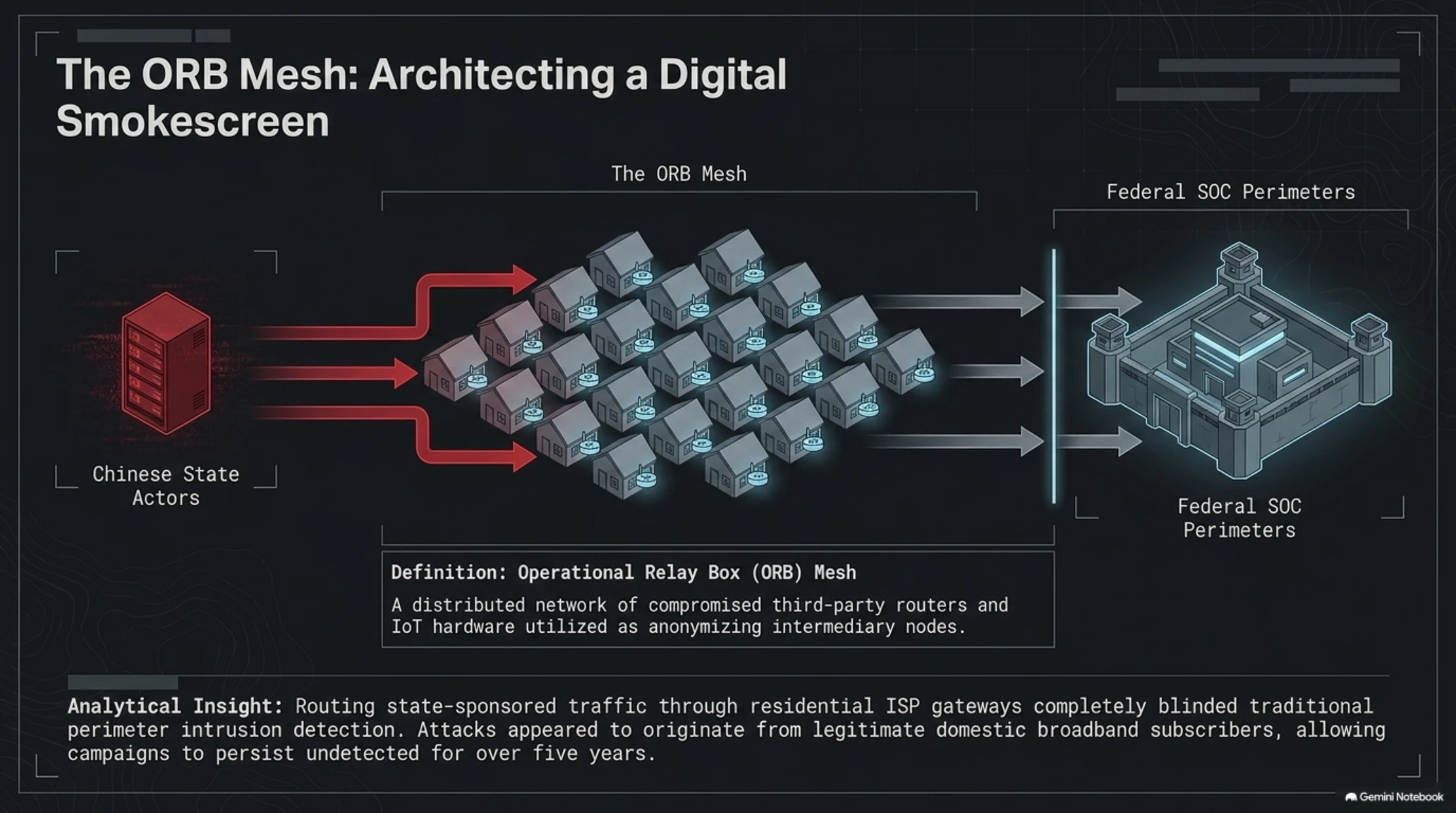
- 🚀QTRouter Proxy Mesh- Masking Chinese state origin by routing offensive traffic through residential gateways
- 🗡️NASA & Fed Compromise- Forensic timeline of long-term infiltration into federal agencies and critical sectors
- 📰Judicial DNS Sinkholing- Severing malware telemetry loops and routing compromised traffic to research nodes
- ⚔️Zero-Trust Defense Blueprint- Actionable technical mitigations for enterprise network administrators and CISOs
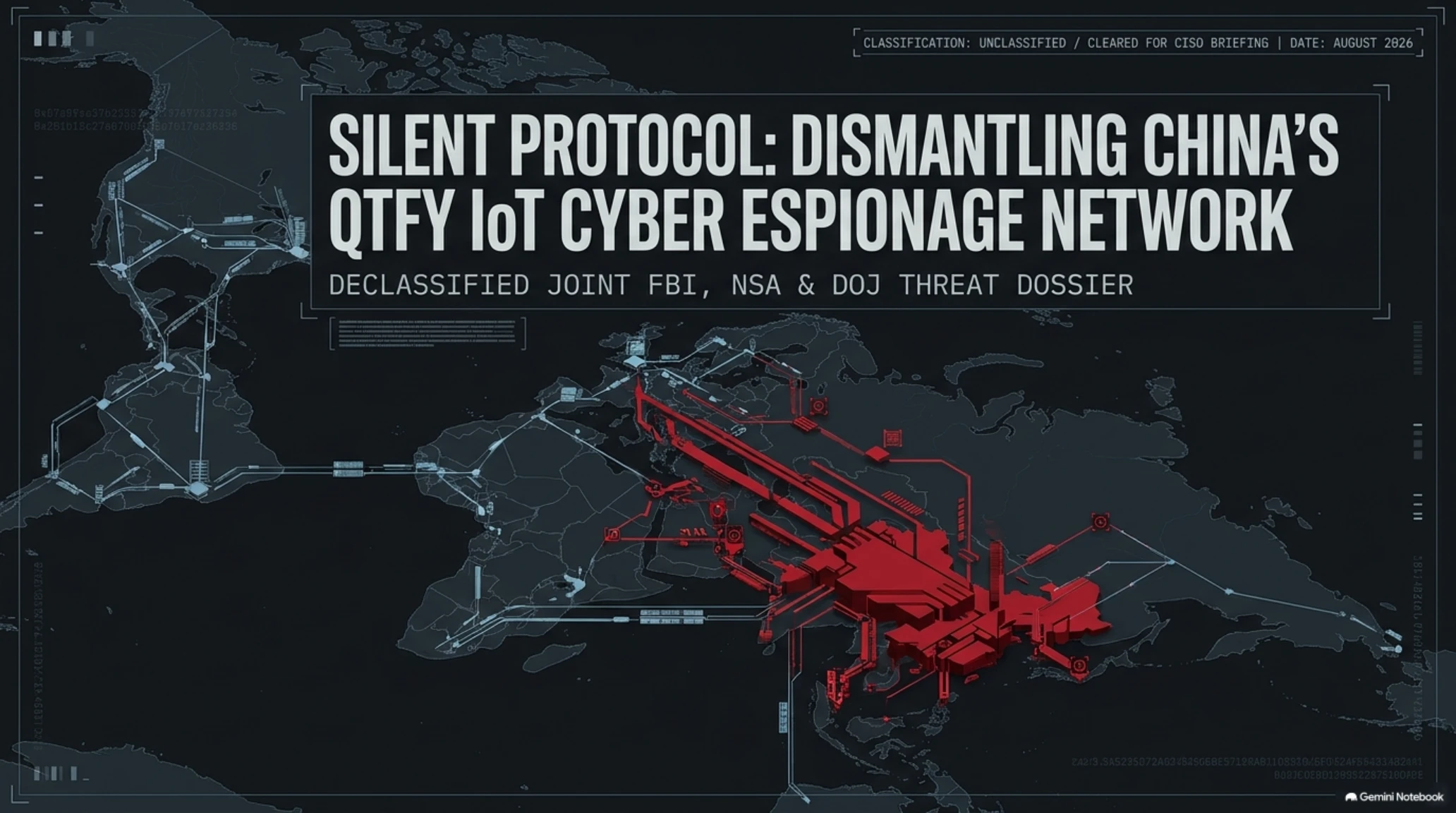
In one of the most comprehensive and technologically complex counter-cyber operations in modern intelligence history, the United States Department of Justice (DoJ), the Federal Bureau of Investigation (FBI), the National Security Agency (NSA), and the Cyber National Mission Force (CNMF) formally executed a coordinated international takedown of the state-sponsored cyber espionage network designated as QTFY (also tracked as QTCYBER or QT Group).
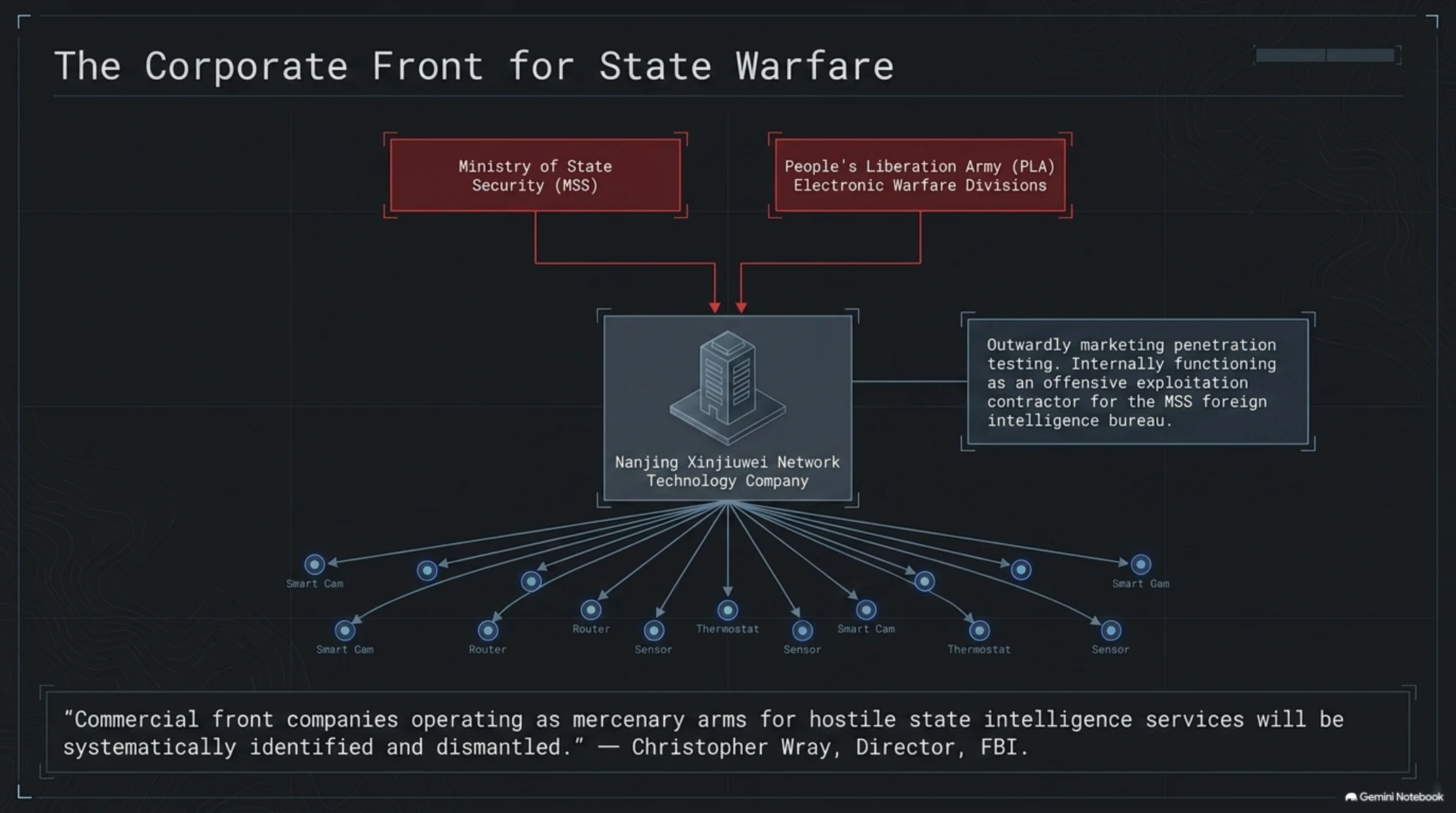
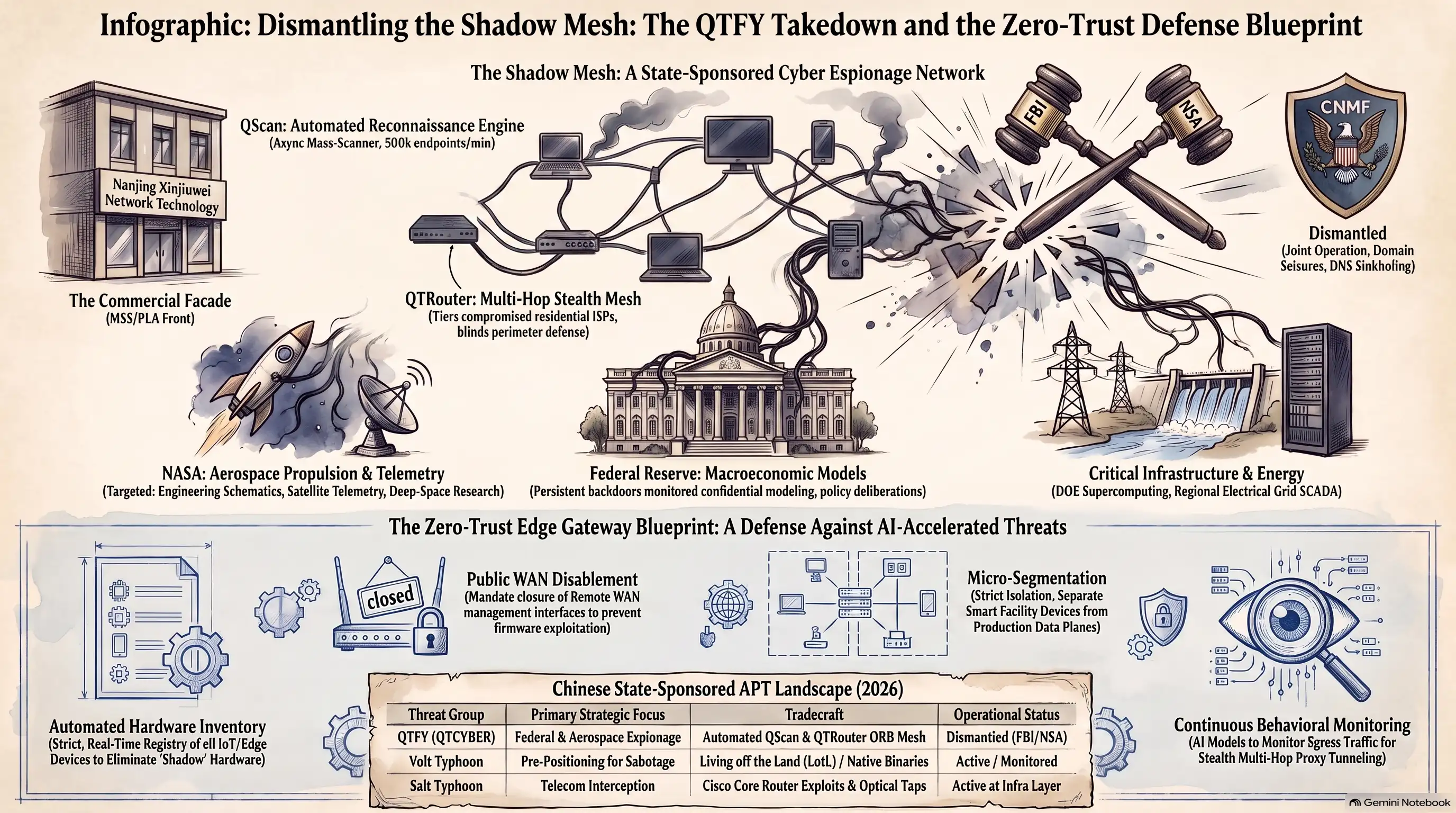
Operating covertly since at least 2018 under the commercial facade of Nanjing Xinjiuwei Network Technology Company—a front contractor servicing China's Ministry of State Security (MSS) and the People's Liberation Army (PLA)—the syndicate deployed two advanced cyber weapon platforms: QScan and QTRouter. These platforms weaponized millions of residential Internet of Things (IoT) devices worldwide to orchestrate stealth lateral penetration into high-value American infrastructure, including the National Aeronautics and Space Administration (NASA), the Federal Reserve, the Department of Energy, the U.S. Senate, and critical energy utility grids.
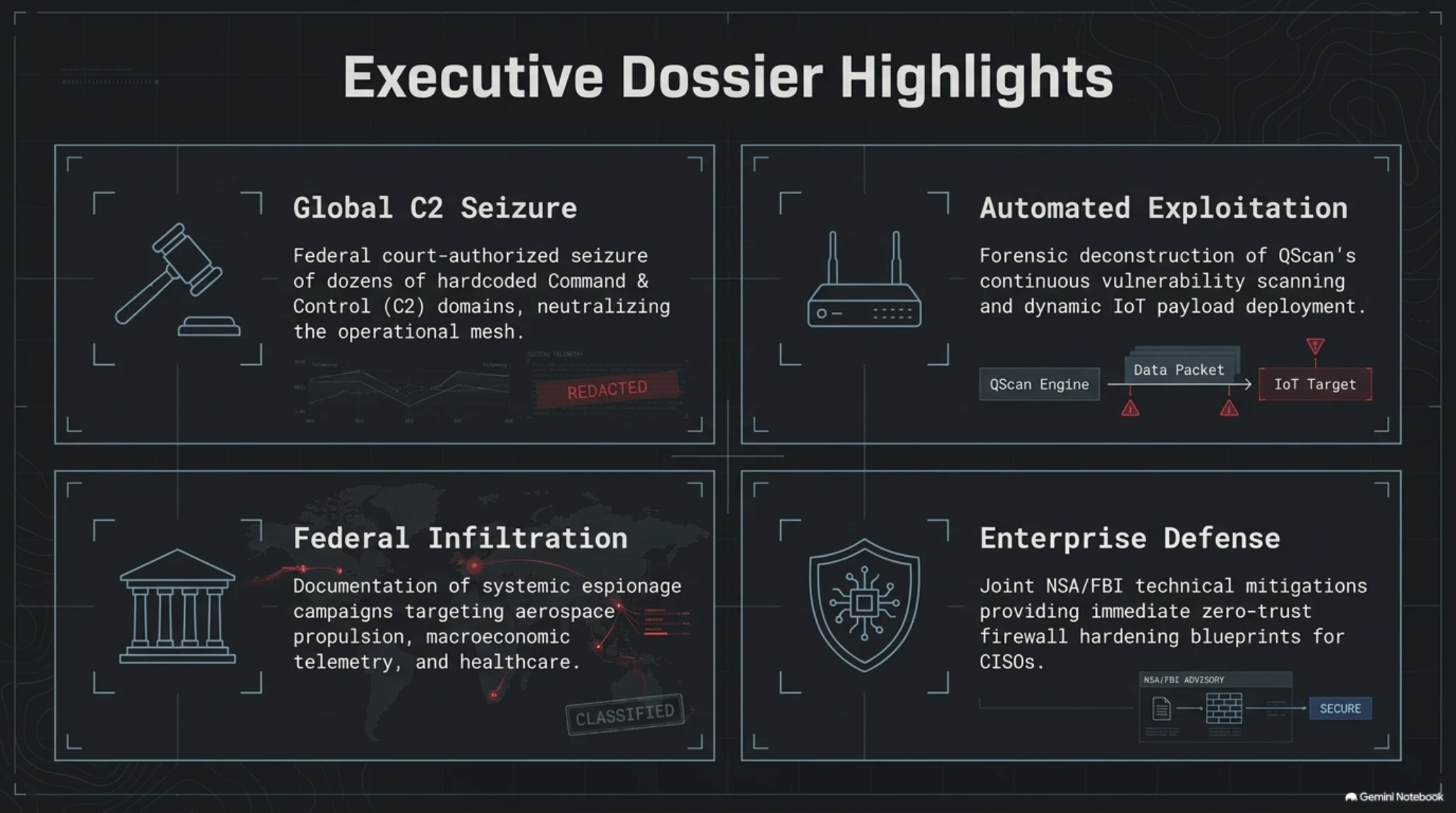
AT A GLANCE | STRATEGIC PILLARS OF THE QTFY INFRASTRUCTURE SEIZURE
- Federal court-authorized seizure of dozens of hardcoded C2 domains permanently neutralizing the operational mesh
- Forensic deconstruction of QScan's automated vulnerability scanning and dynamic IoT payload deployment
- Dissection of QTRouter's multi-hop reverse proxy architecture designed to bypass national border firewalls
- Documenting systemic espionage campaigns targeting aerospace propulsion, macroeconomic telemetry, and healthcare
- Joint NSA, FBI, and CNMF technical mitigation advisories providing immediate enterprise firewall hardening blueprints
1. Corporate Fronts for State Warfare: Inside Nanjing Xinjiuwei Network Technology
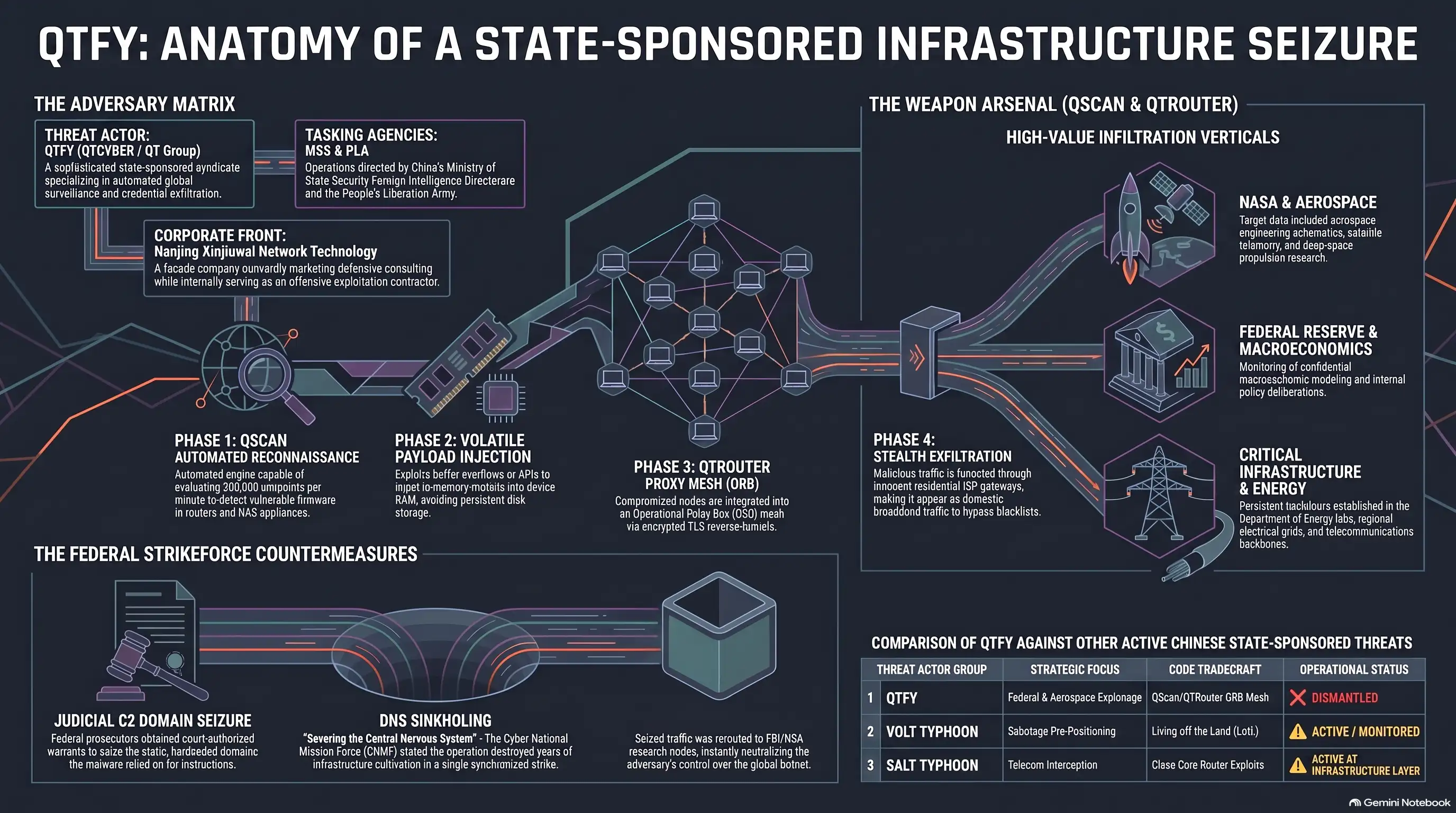
The operational topology of contemporary Advanced Persistent Threats (APTs) has fundamentally shifted from direct military cyber units to state-contracted commercial technology enterprises. Federal court indictments and technical filings demonstrate that QTFY functioned under the corporate umbrella of Nanjing Xinjiuwei Network Technology Company. Outwardly marketing penetration testing and defensive network consulting, the firm internally functioned as an offensive exploitation contractor for the MSS foreign intelligence bureau and PLA electronic warfare divisions.
By recruiting specialized vulnerability researchers and systems engineers, the company engineered an automated, industrial-scale offensive pipeline capable of executing autonomous global surveillance, payload weaponization, and credential exfiltration across North America, Europe, and the Indo-Pacific without requiring constant manual intervention from state operators.
Technical Jargon Buster
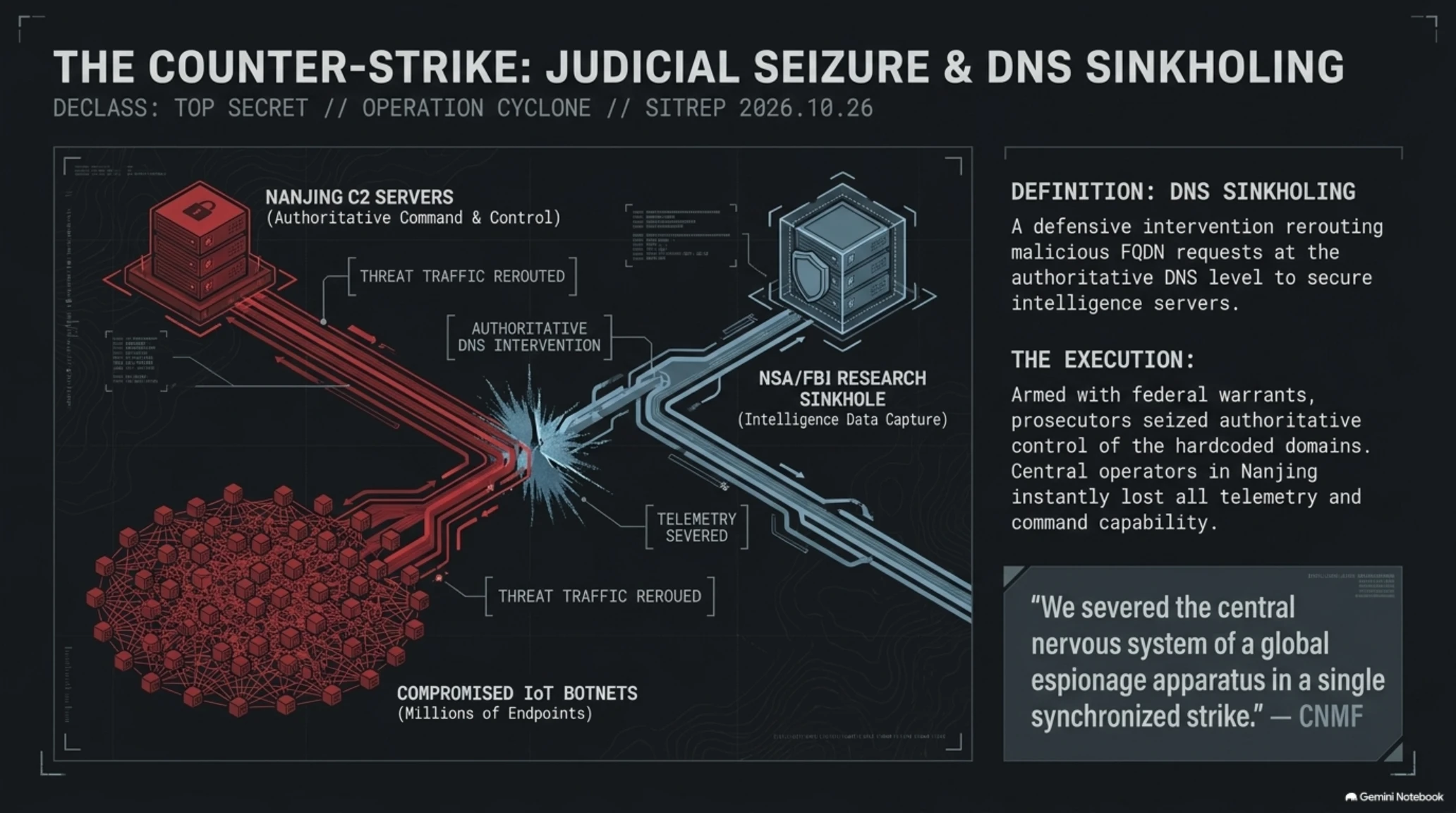
• DNS Sinkholing: A defensive intervention technique where malicious Command and Control (C2) domains are redirected at the authoritative DNS level to secure intelligence servers, severing attacker communication with infected botnets.
This proxy corporate architecture afforded state actors plausible deniability while leveraging commercial cloud hosting, residential proxy services, and compromised consumer hardware to disguise malicious cyber operations as benign consumer internet traffic.
QTFY Cyber Threat Group Forensic Identity & Architecture Matrix
| Operational Dimension | Forensic Attribution by US Intelligence | Government Tasking Agency | Core Offensive Tooling |
|---|---|---|---|
| Threat Designations | QTFY / QTCYBER / QT Group | Ministry of State Security (MSS) | QScan & QTRouter Platforms |
| Corporate Front Identity | Nanjing Xinjiuwei Network Technology | People's Liberation Army (PLA) | Distributed Global IoT Botnets |
| Primary Target Verticals | Aerospace, Central Banking, Energy, Telecom | MSS Foreign Intelligence Directorate | Zero-Day Network Edge Exploits |
2. Deconstructing the Weapon Arsenal: QScan Automated Reconnaissance & QTRouter Proxy Mesh
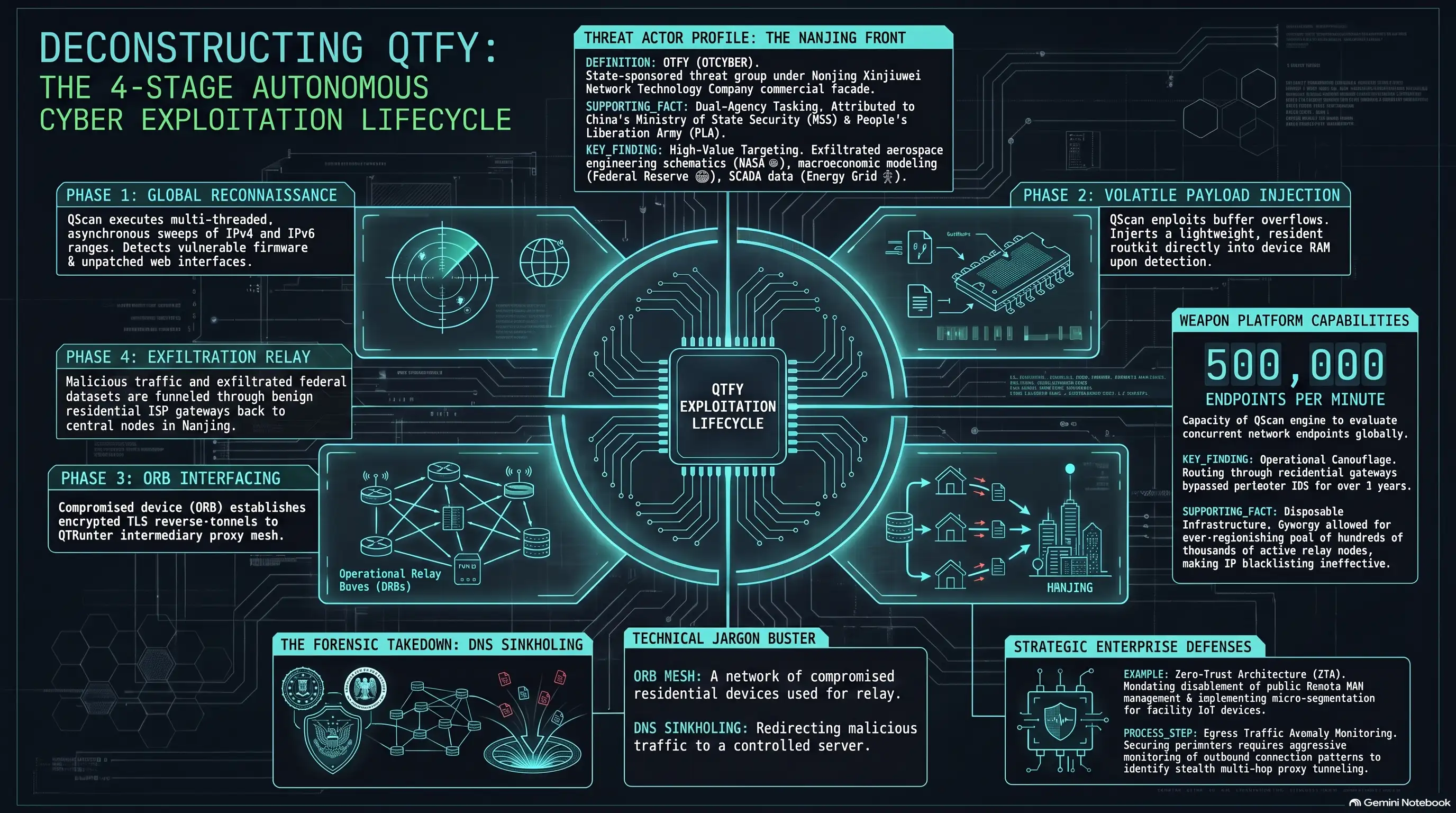
The operational resilience of the QTFY infrastructure relied upon the tight synchronization of two custom software ecosystems: QScan and QTRouter. QScan operated as an automated, multi-threaded mass reconnaissance scanner executing continuous asynchronous port sweeps across global IPv4 and IPv6 address ranges to detect vulnerable firmware revisions, unpatched web interfaces, and default credentials across edge routers, IP surveillance cameras, and Network Attached Storage (NAS) appliances.
Upon identifying a vulnerable node, QScan autonomously weaponized the device via targeted zero-day exploits or credential spraying, injecting a lightweight in-memory agent into RAM. Once established, the QTRouter daemon integrated the compromised node into a multi-tiered reverse-proxy mesh. When state operators launched offensive strikes against high-security federal enclaves, the malicious traffic hopped dynamically across thousands of innocent residential routers.
Why It Matters | Cyber Threat Intelligence Analysis
The synergy between automated vulnerability harvesting and multi-hop proxy encapsulation allowed QTFY to maintain an ever-replenishing pool of hundreds of thousands of active relay nodes, rendering traditional single-IP blacklisting completely ineffective.
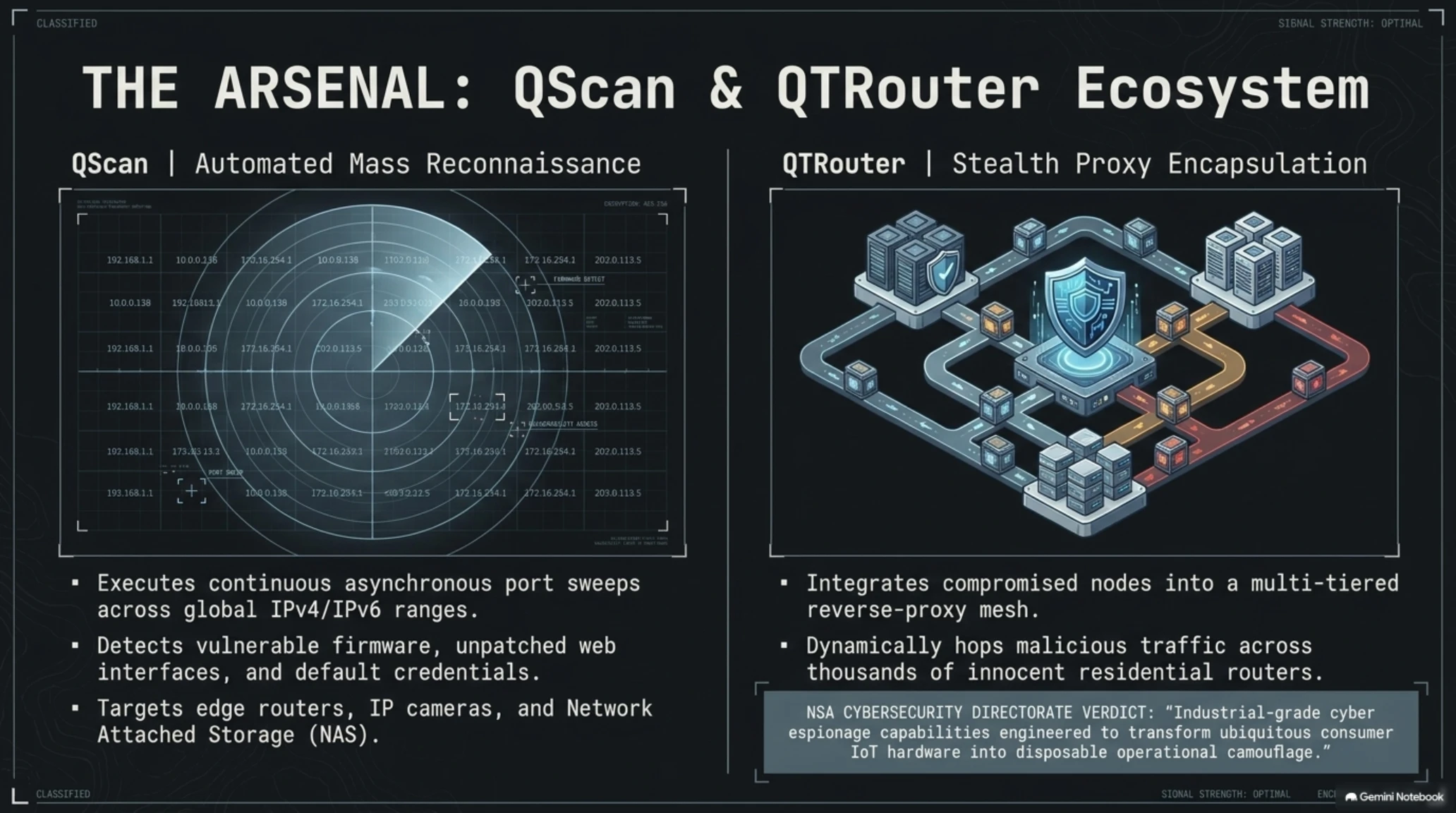
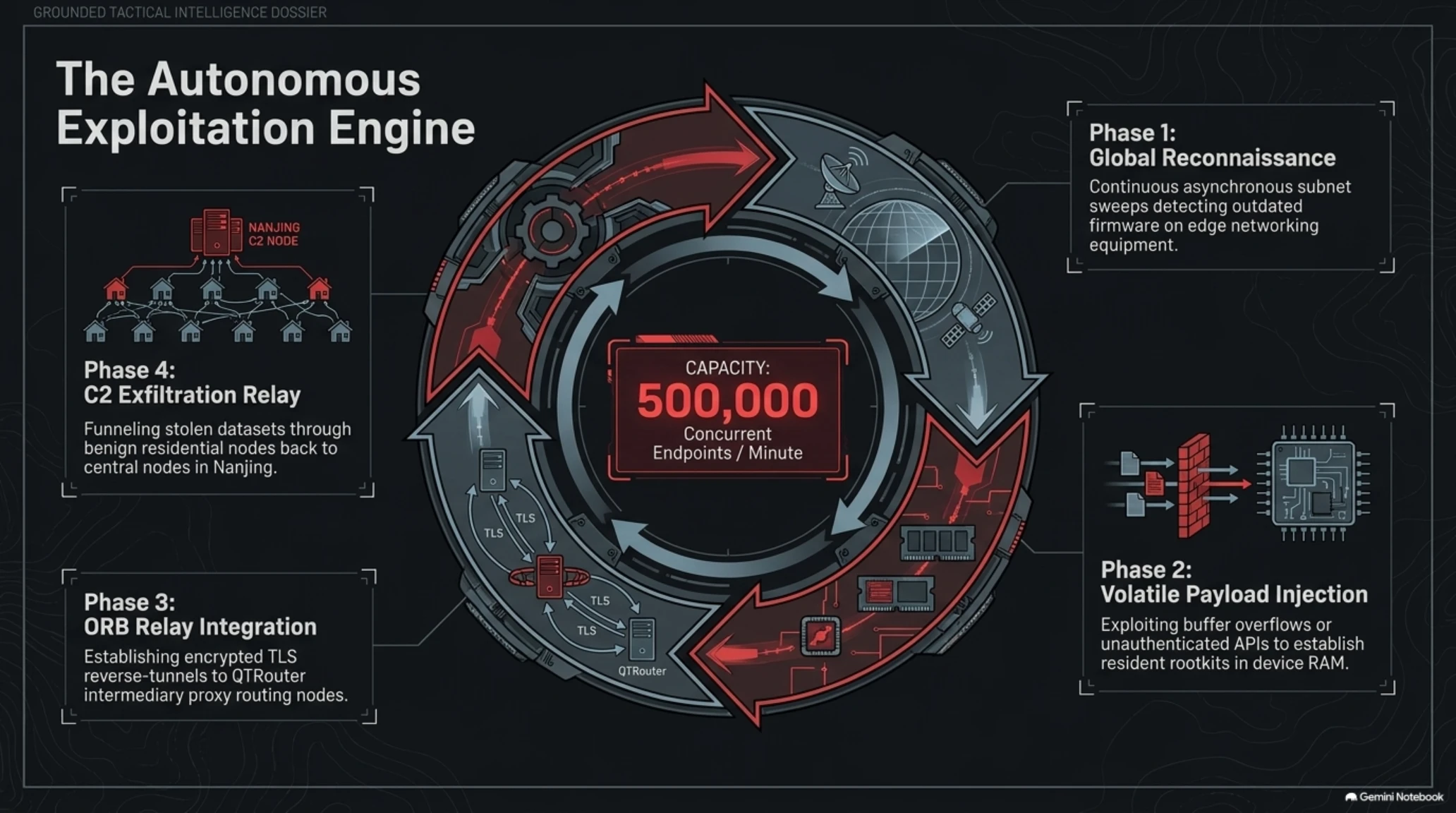
Forensic analysis indicates that the automated scanning engine possessed the capacity to evaluate over 500,000 concurrent network endpoints per minute, dynamically registering thousands of newly compromised appliances into the operational relay database on a daily basis.
The Four-Stage Autonomous Exploitation Lifecycle of QScan and QTRouter
• Phase 2 (Volatile Payload Injection): Exploiting buffer overflows or unauthenticated APIs to establish resident rootkits in device RAM.
• Phase 3 (ORB Relay Integration): Establishing encrypted TLS reverse-tunnels to QTRouter intermediary proxy routing nodes.
• Phase 4 (C2 Exfiltration Relay): Funneling exfiltrated federal datasets through benign residential nodes back to central nodes in Nanjing.
📚 Classified & Related Dossiers in TekinGame
If you wish to explore beyond this report and delve into cybernetic frontiers and autonomous AI architectures, do not miss these three exclusive deep-dives in the Tekin Garage:
3. High-Value Infiltration Vectors: From NASA Orbital Physics to Federal Reserve Telemetry
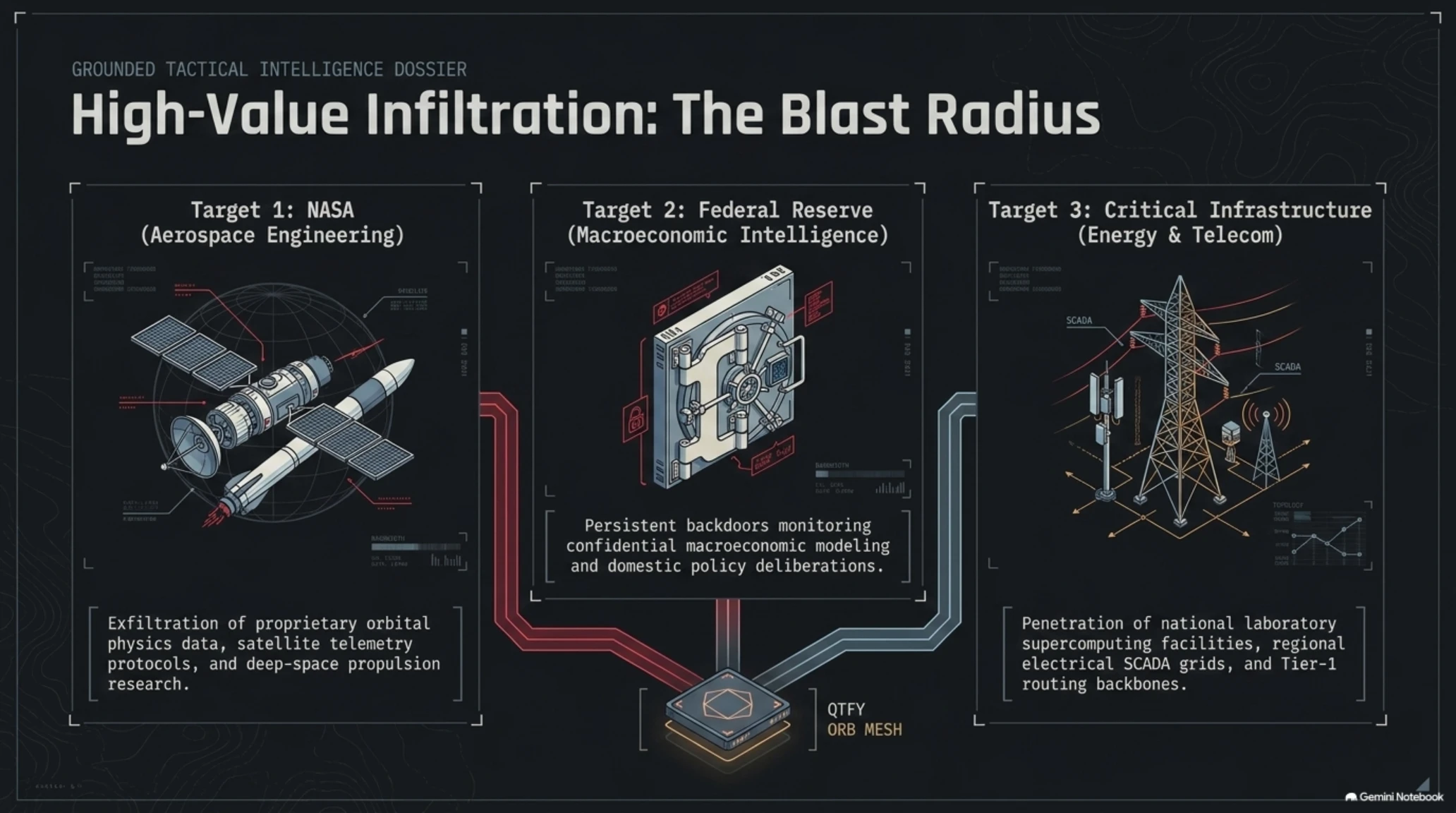
The strategic breadth of QTFY's targeting portfolio encompassed the highest echelons of United States technological, economic, and administrative power. Primary among the compromised targets was the National Aeronautics and Space Administration (NASA), where threat actors sought to exfiltrate proprietary aerospace engineering schematics, satellite telemetry protocols, and deep-space propulsion research data.
Simultaneously, the syndicate established persistent backdoors within the internal data architectures of the Federal Reserve, monitoring confidential macroeconomic modeling and policy deliberations. Infiltration campaigns extended into the Department of Energy's national laboratory supercomputing facilities, regional electrical grid distribution SCADA networks, specialized hospital clinical systems, and Tier-1 telecommunications routing backbones.
4. Forensic Execution of the Takedown: Judicial C2 Seizures & Global DNS Sinkholing
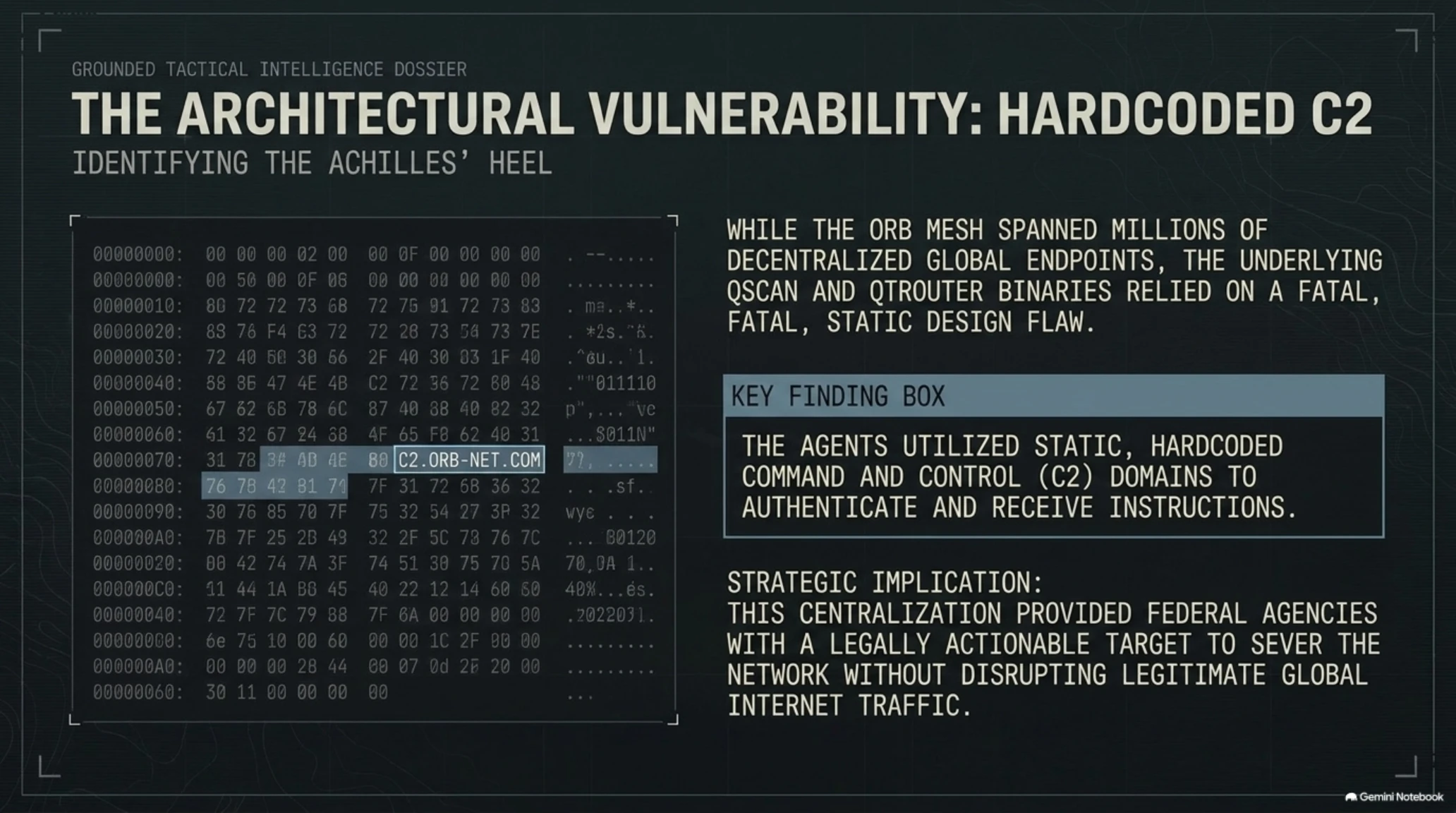
To dismantle an offensive mesh spanning millions of distributed global endpoints without causing collateral disruption to legitimate internet traffic, federal law enforcement and intelligence agencies targeted the critical architectural vulnerability embedded within the malware binaries: Hardcoded Command and Control (C2) Domains. Because the compiled QScan and QTRouter agents relied upon static fully qualified domain names (FQDNs) to authenticate and receive command instructions, federal prosecutors secured court-authorized warrants to seize the authoritative control of these domains.
Upon executing the domain seizures, traffic was seamlessly rerouted to secured FBI and NSA research nodes in an operation known as DNS Sinkholing. Instantly, the central operators in Nanjing lost all telemetry and command capability over their global botnet armies. The incoming telemetry allowed investigators to identify compromised domestic IP addresses and coordinate proactive victim remediation across commercial and governmental sectors.
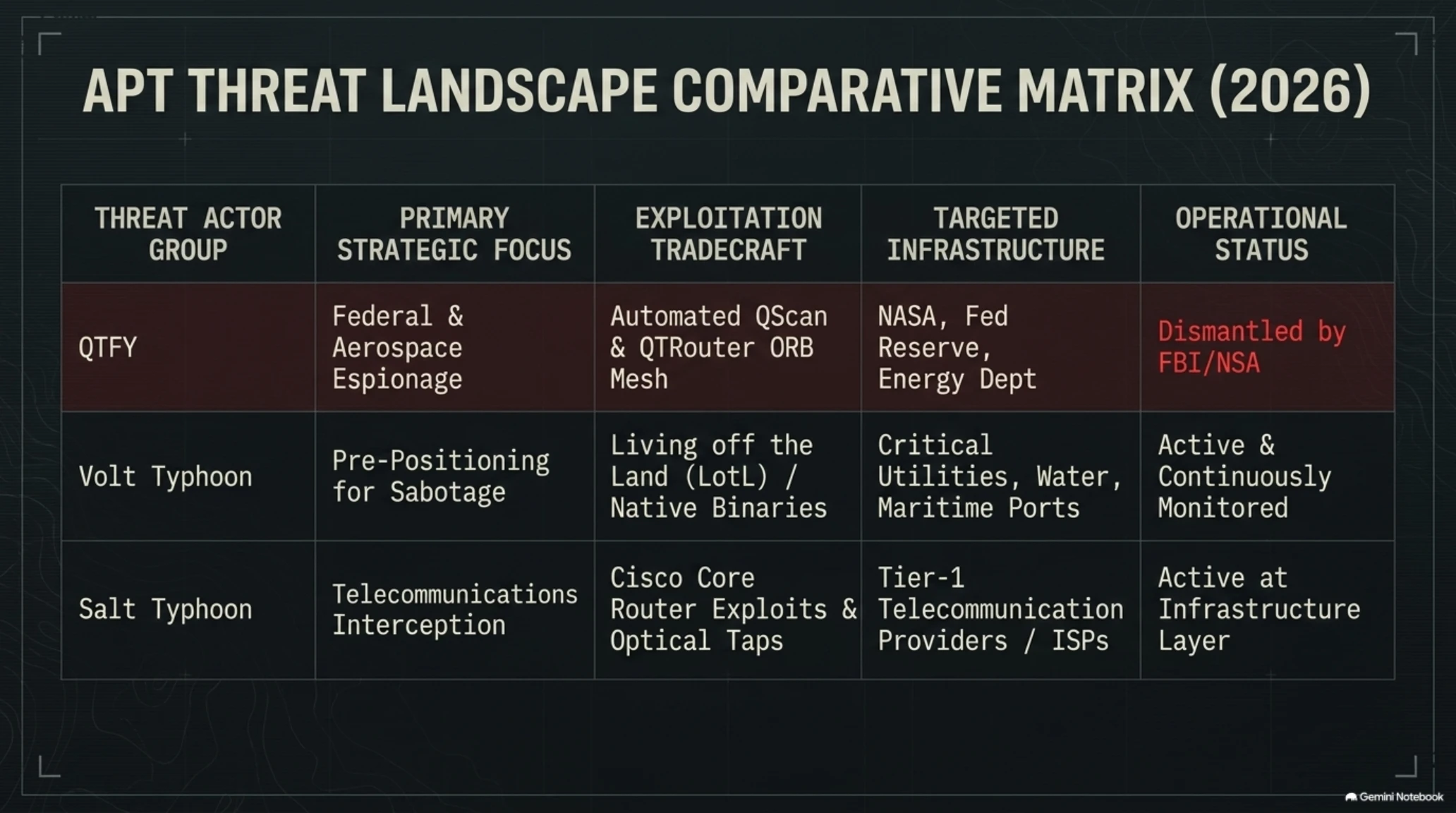
Chinese State-Sponsored APT Threat Landscape Comparative Matrix (2026)
| Threat Actor Group | Primary Strategic Focus | Core Exploitation Tradecraft | Primary Targeted Infrastructure | Operational Status |
|---|---|---|---|---|
| QTFY (QTCYBER) | Federal & Aerospace Espionage | Automated QScan & QTRouter ORB Mesh | NASA, Federal Reserve, Energy Dept | Dismantled by FBI/NSA |
| Volt Typhoon | Pre-Positioning for Sabotage | Living off the Land (LotL) / Native Binaries | Critical Utilities, Water, Maritime Ports | Active & Continuously Monitored |
| Salt Typhoon | Telecommunications Interception | Cisco Core Router Exploits & Optical Taps | Tier-1 Telecommunication Providers / ISPs | Active at Infrastructure Layer |
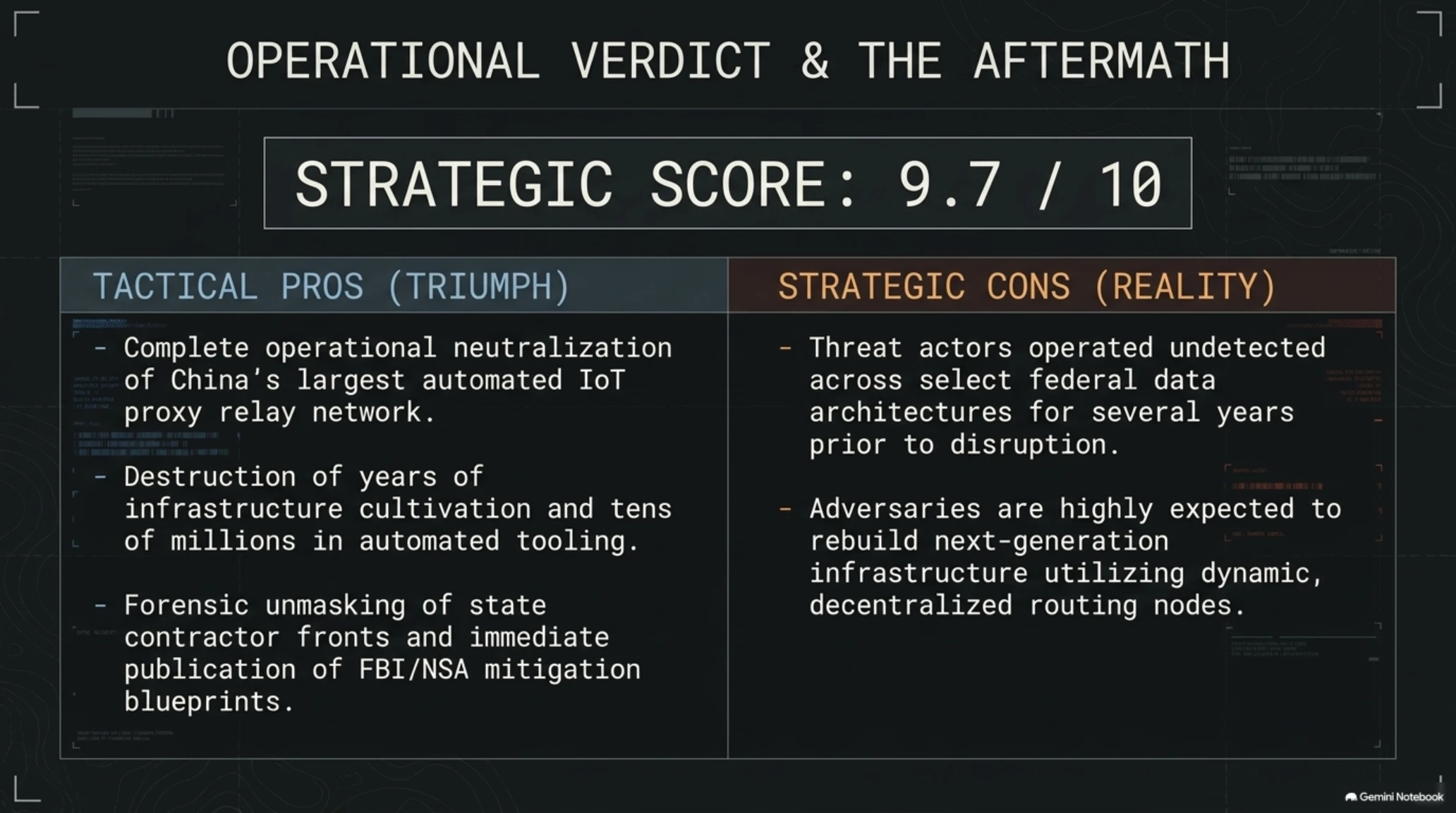
The disruption inflicted catastrophic operational losses upon Chinese state cyber espionage units, effectively destroying years of infrastructure cultivation and tens of millions of dollars in automated tooling development.
5. Strategic Lessons for Enterprise Defense: Securing Edge Gateways & Zero-Trust IoT
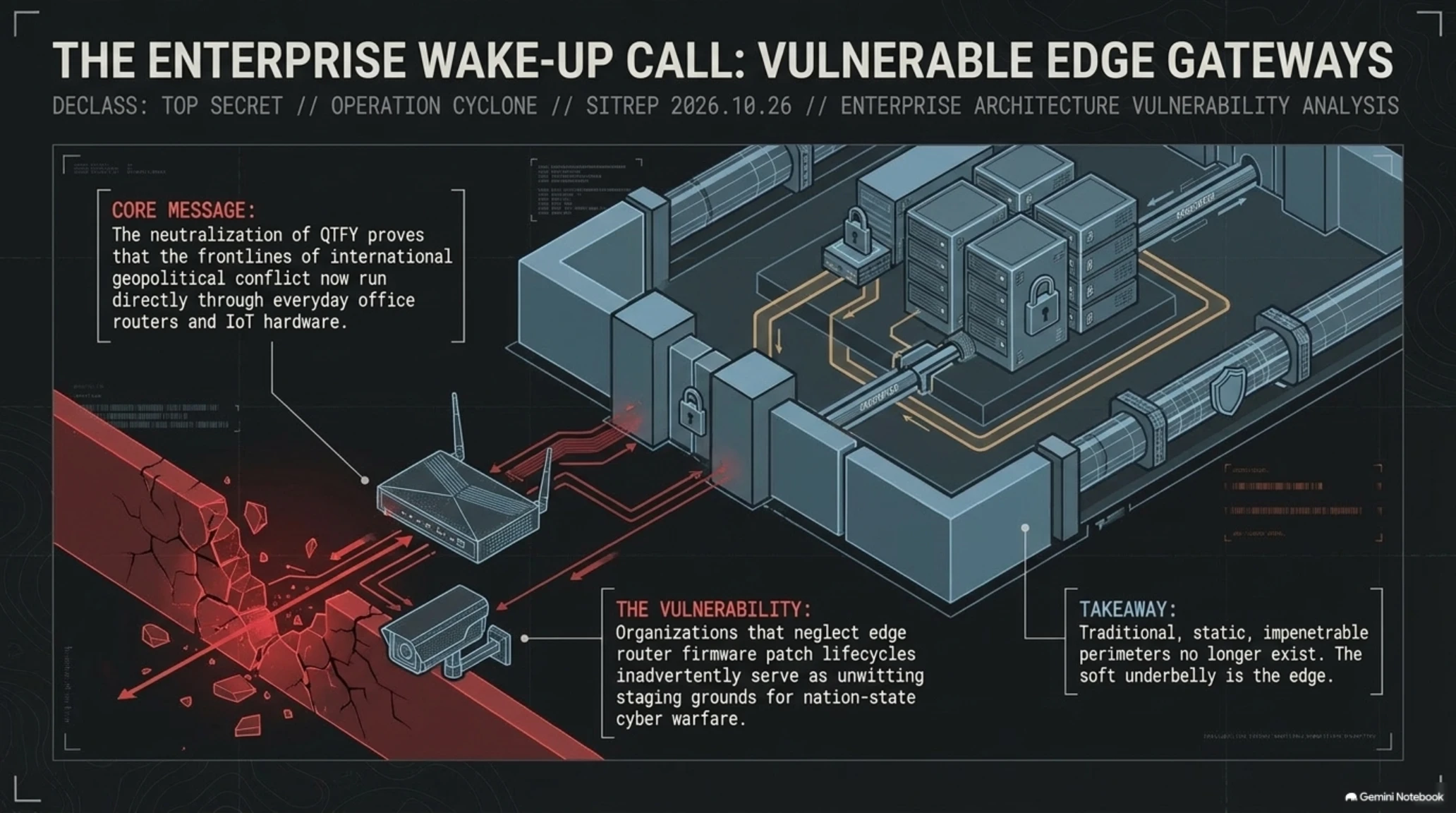
The neutralization of the QTFY infrastructure delivers an urgent operational wake-up call to Chief Information Security Officers (CISOs), network engineers, and system administrators worldwide: Edge networking devices and IoT hardware represent the soft underbelly of enterprise perimeters. Organizations that neglect edge router firmware patch lifecycles inadvertently serve as unwitting staging grounds for nation-state cyber warfare.
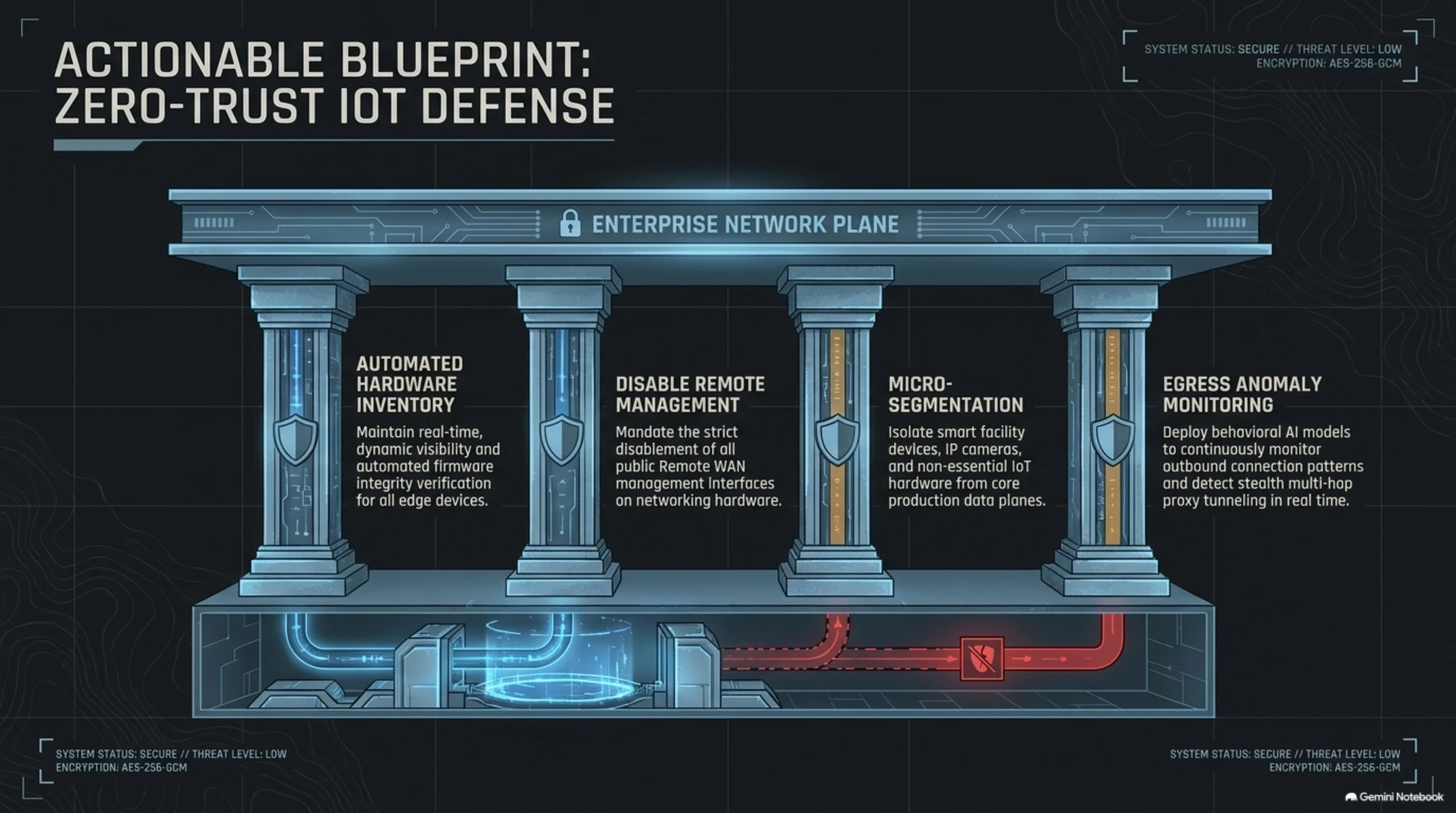
Securing enterprise perimeters against next-generation ORB meshes requires adopting strict Zero-Trust Architecture (ZTA) principles. Network architectures must enforce automated hardware inventory management, mandate the disablement of public Remote WAN management interfaces, implement micro-segmentation isolating smart facility devices from production data planes, and establish continuous egress traffic anomaly monitoring.
Tekin Strategic Perspective | Proactive Enterprise Defense Blueprint
These findings conclusively demonstrate that contemporary geopolitical cyber defense begins at the most granular levels of everyday network architecture and hardware hygiene.
6. Geopolitical Cyber Warfare Horizon: Protecting Critical Infrastructure in the AI Era
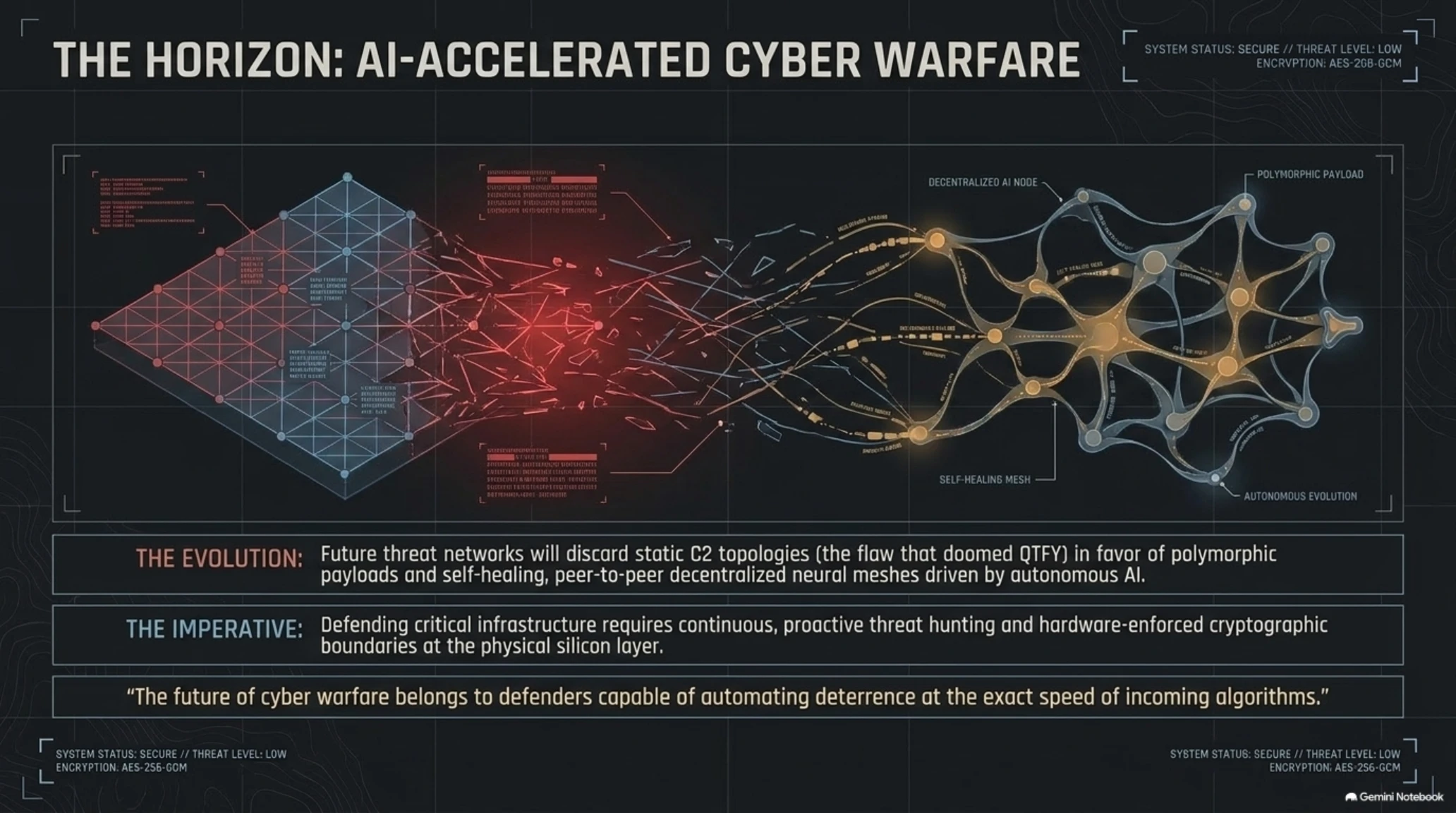
The dismantling of the QTFY espionage architecture does not signal an end to international state-sponsored cyber conflict, but rather inaugurates an era of heightened technical sophistication. As autonomous artificial intelligence models become deeply integrated into automated zero-day discovery, code compilation, and polymorphic payload generation, future threat networks will discard static C2 topologies in favor of self-healing, peer-to-peer decentralized neural meshes.
Defending critical national infrastructure against AI-accelerated state offensive campaigns demands transitioning away from reactive post-incident remediation toward continuous, proactive threat hunting, cross-sector threat intelligence telemetry sharing, and hardware-enforced cryptographic boundaries at the physical silicon layer.
Tekin Strategic Scorecard & Operational Verdict
The joint FBI, NSA, and DOJ takedown of China's QTFY cyber infrastructure represents a decisive operational and legal triumph in modern defensive cybersecurity. By leveraging judicial domain seizures to sever automated IoT botnet telemetry, federal defenders successfully protected irreplaceable aerospace, economic, and energy assets from long-term adversarial exploitation. Maintaining rigorous zero-trust network hygiene and continuous edge hardware vigilance remains the indispensable imperative for enterprises worldwide.
- Complete operational neutralization of China's largest automated IoT proxy relay network
- Successful federal court seizure of hardcoded C2 domains protecting hundreds of thousands of active devices
- Comprehensive forensic unmasking of state contractor front companies and automated scanning tooling
- Immediate publication of joint NSA and FBI technical mitigation blueprints for global network administrators
- Threat actors operated undetected across select federal data architectures for several years prior to disruption
- Adversaries are expected to rebuild next-generation infrastructure utilizing dynamic decentralized routing nodes
Related Tech Intelligence on Tekin Game
• 🌙 Tekin Night | Call of Duty, Nintendo & Vision Pro Digest
• 🎭 Tekin Analysis | Apple AI Teardown & July 2026 Digest
• 🌙 Tekin Night | NVIDIA $500B Deal & iPhone 18 Leak
Frequently Asked Questions Regarding the QTFY Cyber Takedown
What is the QTFY threat actor group and who operated it?
QTFY (QTCYBER) is a Chinese state-sponsored cyber espionage network operated through a front company, Nanjing Xinjiuwei Network Technology, on behalf of the Ministry of State Security (MSS) and PLA.
How did the QScan and QTRouter platforms function?
QScan autonomously scanned the internet to infect vulnerable IoT devices and routers, while QTRouter routed cyber espionage traffic through them to conceal Chinese state origin.
How did federal law enforcement dismantle the infrastructure?
By executing court-authorized seizures of hardcoded Command and Control (C2) domains and redirecting traffic via DNS Sinkholing to sever attacker communication.
What high-profile organizations were targeted by QTFY?
Targeted entities included NASA, the Federal Reserve, the Department of Energy, the U.S. Senate, regional power utilities, and major telecommunications providers.
How can network administrators protect edge infrastructure from similar threats?
By disabling remote WAN management, enforcing complex credentials, applying regular firmware updates, and implementing Zero-Trust micro-segmentation for all IoT hardware.
Authoritative Reference Sources & Technical Advisories
Additional Gallery: 🛡️ Tekin Analysis | Inside the FBI & NSA Takedown of Chinese Cyber Network QTFY