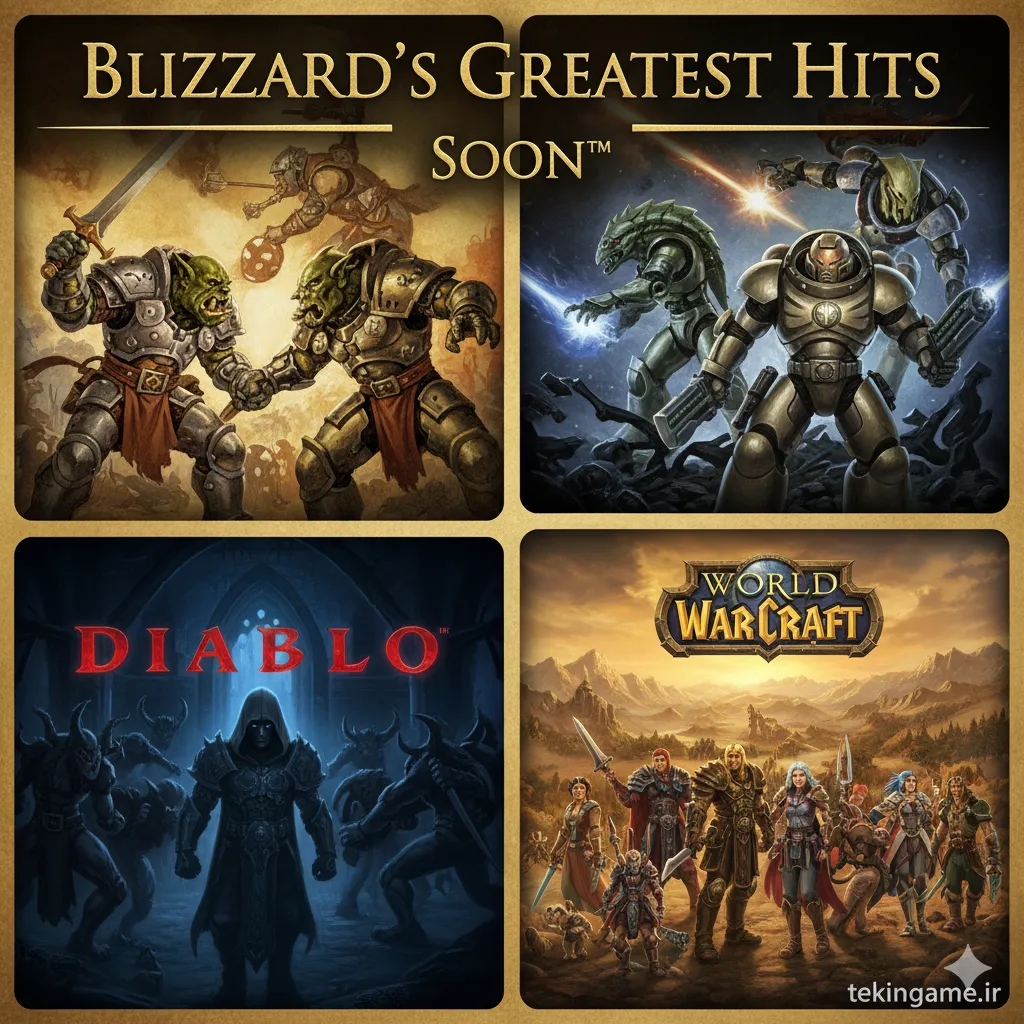
Strategic Key Takeaways
- Blizzard once defined industry gold standards through unmatched dedication to polish and player experience.
- The 2008 merger with Activision introduced financial pressures that gradually shifted corporate priorities.
- A series of high-profile controversies and cultural scandals severely damaged public and internal trust.
- The studio now operates under Microsoft, facing the immense challenge of reclaiming its historical legacy.
Introduction: The Erosion of an Industry Titan
Blizzard Entertainment was once regarded as sacred ground within the global gaming community. Operating under the legendary philosophy of releasing games only "when it is ready," the studio consistently dictated industry benchmarks. Franchises like Warcraft, StarCraft, Diablo, and World of Warcraft dominated PC gaming for over two decades. Today, however, that illustrious name is frequently associated with corporate controversies, leadership turnover, and polarizing project rollouts. Understanding this monumental shift requires examining the complex historical trajectory of a true industry pioneer.
The Golden Era of Myth-Making (1991–2008)
Founded initially as Silicon and Synapse in 1991, the developer achieved foundational acclaim with the 1994 release of Warcraft: Orcs and Humans. This title not only established the modern Real-Time Strategy genre but also birthed a sweeping fantasy universe. Subsequent triumphs like Warcraft II and StarCraft cemented their tactical supremacy. Meanwhile, the dark fantasy of Diablo revolutionized Action RPGs, and World of Warcraft completely redefined the massively multiplayer online landscape in 2004. During this period, the signature Blizzard polish became a recognized seal of supreme quality.
The Activision Merger and Strategic Shifts (2008)
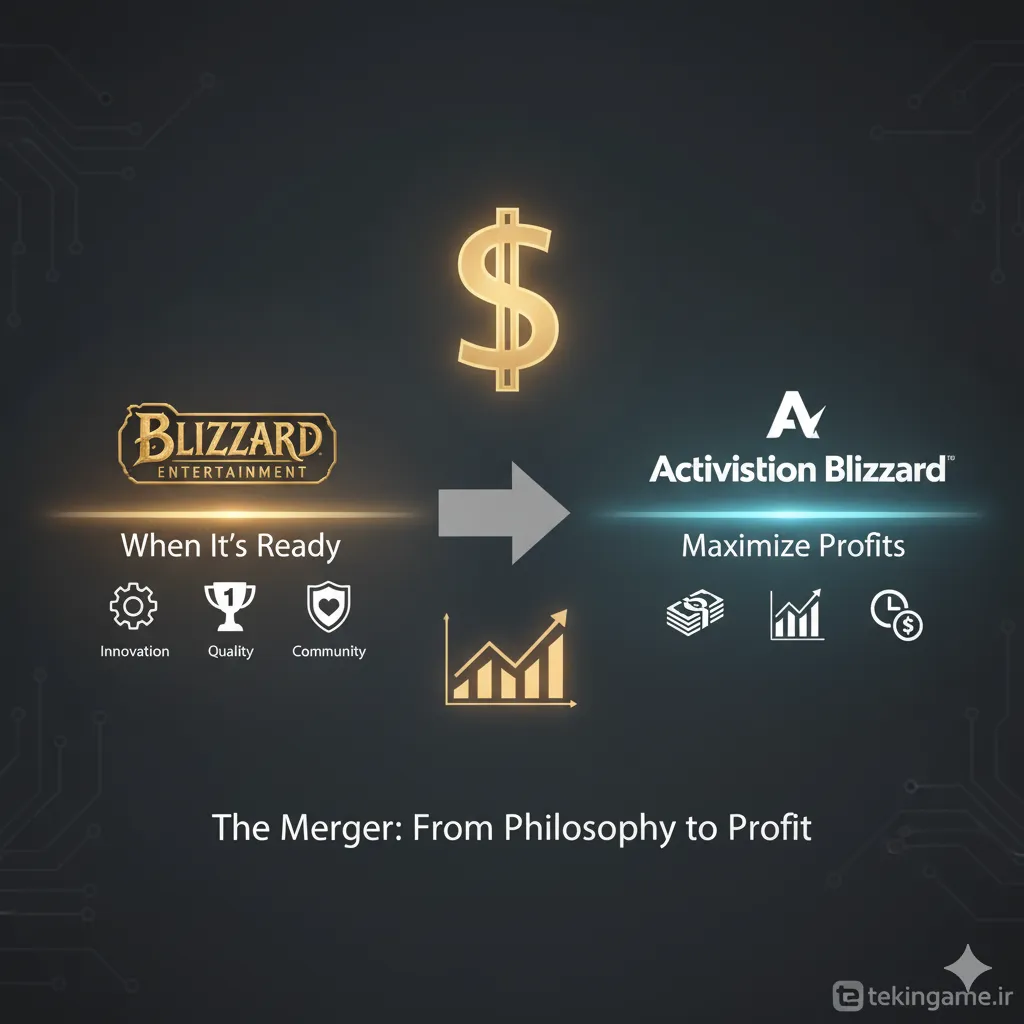
The landscape shifted dramatically in 2008 when the studio merged with Activision to form Activision Blizzard. Initially, day-to-day operations remained largely insulated from upper management interference. StarCraft II and Diablo III achieved immense commercial success, while Hearthstone demonstrated continued aptitude for digital card game innovation. However, mounting financial expectations slowly began to conflict with the studio's traditional development timelines. The inherent tension between artistic perfectionism and corporate quarterly targets started widening over the ensuing years.
A Brief Resurgence and Overwatch Peak (2016–2018)
The 2016 launch of Overwatch acted as a temporary salvation for the developer's public image. Combining vibrant character design with refined competitive mechanics, it captured global cultural attention and fueled a massive esports ecosystem. For a brief moment, it appeared the studio had successfully rediscovered its legendary creative magic. Soon afterward, however, executive leadership sought aggressive monetization and mobile market expansion. This pivot ultimately triggered a series of polarizing decisions that alienated core community segments.
Controversies, Missteps, and Cultural Crises
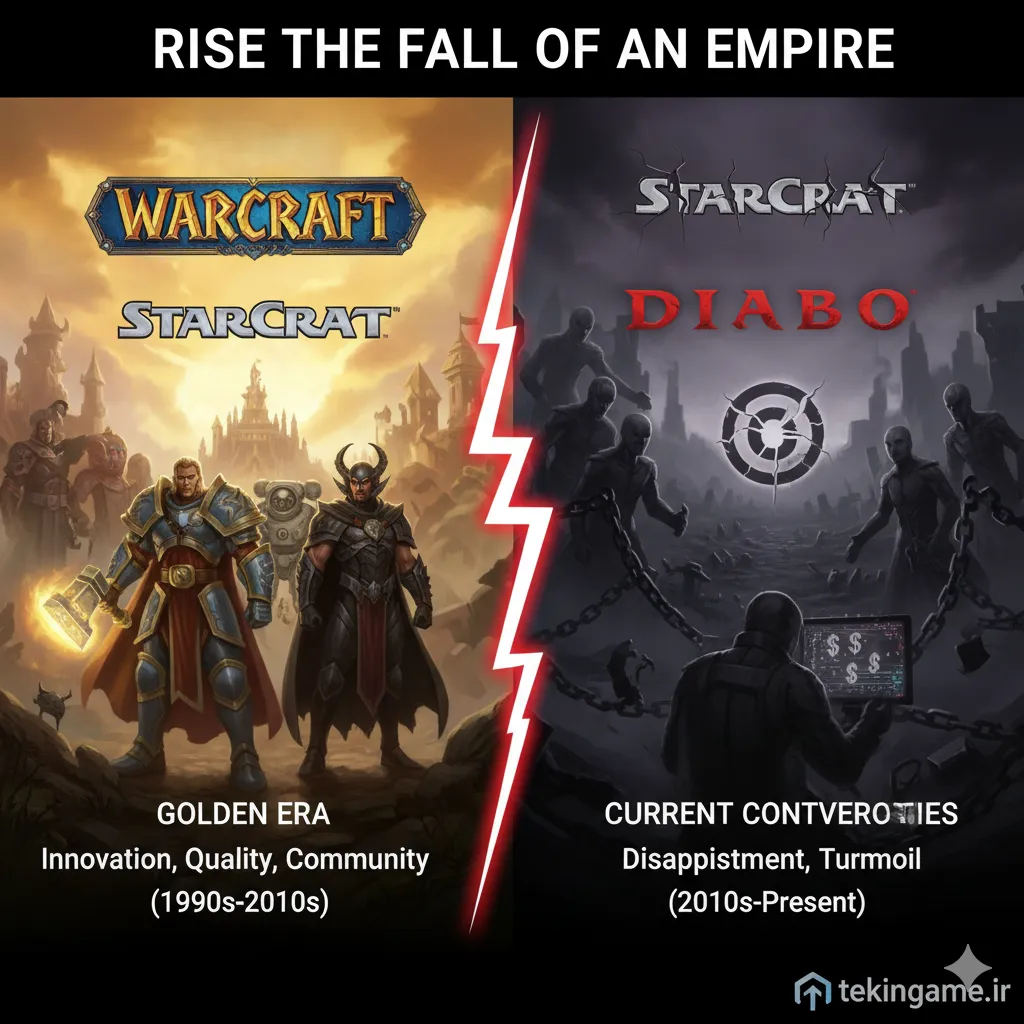
The tipping point arrived in 2018 with the announcement of Diablo Immortal at BlizzCon, alienating desktop enthusiasts with mobile-centric framing. Subsequent geopolitical controversies and the disastrous rollout of Warcraft III: Reforged further eroded consumer confidence. Compounding these product missteps, profound internal scandals regarding workplace culture surfaced in 2021. Lawsuits, regulatory investigations, and widespread employee walkouts exposed deep structural flaws, prompting the departure of multiple foundational veterans and long-standing executives.
Technical Specifications & Performance Breakdown
| Dimension | Status | Assessment |
|---|---|---|
| Engine Architecture | DirectX 12 / Vulkan Optimized | High-FPS stability across desktop and portable hardware |
| Spatial Audio | Multi-channel 3D Directional | Accurate positioning vital for tactical awareness |
| Player Capacity | Co-Op / Multi-Squad Ready | Optimized network replication and synchronization |
- Incomparable historical catalogue of genre-defining PC franchises
- Unmatched mastery of environmental world-building and lore
- Successful adaptation into modern live-service structures
- Severe erosion of consumer trust following corporate controversies
- Inconsistent quality control in recent remastered and sequel projects
- Lingering skepticism regarding long-term creative independence
📚 Classified & Related Dossiers in TekinGame
If you wish to explore beyond this report and delve into cybernetic frontiers and autonomous AI architectures, do not miss these three exclusive deep-dives in the Tekin Garage:
Final Verdict & Authoritative Sources
Frequently Asked Questions
What caused the initial decline of Blizzard Entertainment?
A combination of shifting corporate priorities following the Activision merger, creative missteps, and severe workplace culture scandals contributed to the studio's decline.
How has Microsoft's acquisition impacted the studio?
The acquisition by Microsoft has placed the developer under new leadership, initiating structural reforms aimed at restoring stability, creative freedom, and long-term project health.
Frequently Asked Questions
Is this release optimized for modern hardware?
Yes, built on modern scalable rendering pipelines with low hardware entry barriers.
Does it support full cross-platform cooperative play?
Yes, seamless squad matchmaking is fully supported.
