🛡️ Cybersecurity Intelligence | €30M European Banking Ring Busted & Shell Clop Ransomware Incident
Comprehensive analysis of Europol's €30M banking fraud takedown, Shell investigating Clop ransomware data theft claims, and max-severity SAP zero-day exploits.
- 🎮€30M Banking Bust- Europol arrests supply chain ring
- 🎧Shell Ransomware Probe- Clop claims massive data exfiltration
- 🚀SAP Cloud Zero-Day- CVSS 10.0 unauthenticated RCE
- 🗡️macOS Stealth Miner- Screen sharing flaw deploys Monero
- 📰Evooo1Bot Linux Threat- Compromising edge routers as relays
- ⚔️Multi-Layered Defense- Zero Trust isolation frameworks
Welcome to Tekin Game's strategic cybersecurity intelligence dossier examining an explosive wave of international cybercrime operations, critical enterprise zero-day exploits, and law enforcement crackdowns in mid-August 2026. From Europol announcing the dramatic dismantling of an organized criminal syndicate responsible for a €30 million ($33M USD) supply-chain banking fraud, to energy supermajor Shell launching emergency incident response investigations following Clop ransomware data theft claims, global infrastructure security is on high alert.
In this technical briefing, the Tekin Game cybersecurity team deconstructs the exploitation vectors, malware evasion tactics, and enterprise mitigation strategies necessary to protect critical digital architectures.
Core Takeaways of the European Banking Fraud, Shell Ransomware & SAP Threat Dossier
- Europol and international police agencies apprehending core operatives behind a €30M banking theft executed via compromised third-party fintech providers
- Global energy giant Shell investigating claims by the Clop ransomware syndicate alleging exfiltration of sensitive commercial and exploration data
- European cyber authorities (ENISA) issuing emergency alerts regarding active weaponization of a max-severity CVSS 10.0 flaw in SAP Commerce Cloud
- Security researchers identifying novel macOS Screen Sharing exploitation techniques silently deploying obfuscated Monero cryptocurrency miners
- Linux-based Evooo1Bot botnets infecting edge enterprise routers to establish anonymous, untraceable traffic relay networks
- Financial institutions accelerating strict Zero Trust network segmentation mandates to insulate core transaction layers from third-party vendor breaches
Europol Coordinates Major Cyber Takedown: Busting €30M Financial Fraud Ring
In a coordinated transnational operation led by the European Union Agency for Law Enforcement Cooperation (Europol) alongside specialized cybercrime divisions across six nations, authorities arrested the principal orchestrators of a sophisticated banking fraud syndicate. The group successfully siphoned over €30 million (approximately $33 million USD) by compromising an intermediary third-party enterprise software provider that serviced more than 20 commercial banking institutions.
Digital forensic analyses revealed that the threat actors maintained undetected access within the provider's infrastructure for several months. By forging privileged API authentication tokens and manipulating transaction batch logs, the group automated fraudulent weekend fund transfers to shell accounts across decentralized cryptocurrency exchanges.
Operational tactics and technical vectors deployed by the criminal network include:
- Exploiting broken object-level authorization vulnerabilities in financial middleware APIs to gain root administrative privileges
- Deploying fileless in-memory malware injectors to execute stealth commands without generating disk artifacts
- Establishing multi-layered encrypted command-and-control channels routing exfiltrated telemetry across the Tor network
- Laundering stolen fiat assets through algorithmic crypto mixers and privacy-preserving stablecoin pools
- Seizing dozens of encrypted enterprise servers, hardware wallets, and counterfeit identification documents during synchronized raids
This incident confirms that third-party software supply chains remain the single most exploited attack vector confronting global financial systems.
European banking regulatory authorities have mandated immediate comprehensive security audits for all contracted fintech vendors.

Threat intelligence heatmaps demonstrate an aggressive focus by threat actors targeting outsourced enterprise software vendors.

The comparative table below itemizes financial damages, entry vectors, and regulatory actions across landmark banking supply-chain breaches.
Comparative Analysis of Major Global Banking Supply-Chain Cyber Breaches
| Breach Incident & Target Territory | Estimated Financial Impact (USD) | Primary Initial Access & Exploit Vector | Legal Resolution & Law Enforcement Outcome |
|---|---|---|---|
| European Banking Supply Chain (2026) | €30 Million Direct Exfiltration | Compromised Third-Party Middleware API | Key Ring Leaders Arrested in Joint Europol Raids |
| Bangladesh Central Bank SWIFT Heist | $81 Million Unauthorized Transfers | Compromised SWIFT Alliance Access Software | Attributed to State-Sponsored Threat Collectives |
| MOVEit Transfer Global Campaign | $60M+ Ransom Demands / Exfiltration | Zero-Day SQL Injection in Managed File Transfer | Global Sanctions & Clop Ransomware Attribution |
| Carbanak Banking Infrastructure Ring | $1 Billion+ Cumulative Global Thefts | Targeted Spear-Phishing & Internal Network Pivots | Indictments & Multi-National Asset Freezes |
| German Fintech Cloud Breach | €12 Million Fraudulent Transfers | Exfiltrated Encryption Keys from Container Hosts | Implementation of Regional Zero Trust Frameworks |
Tekin Game strongly recommends that enterprise risk officers implement continuous third-party code review and strict least-privilege policies.
Clop Ransomware Claims Infiltration of Energy Giant Shell as Max-Severity SAP Cloud Zero-Day is Actively Weaponized
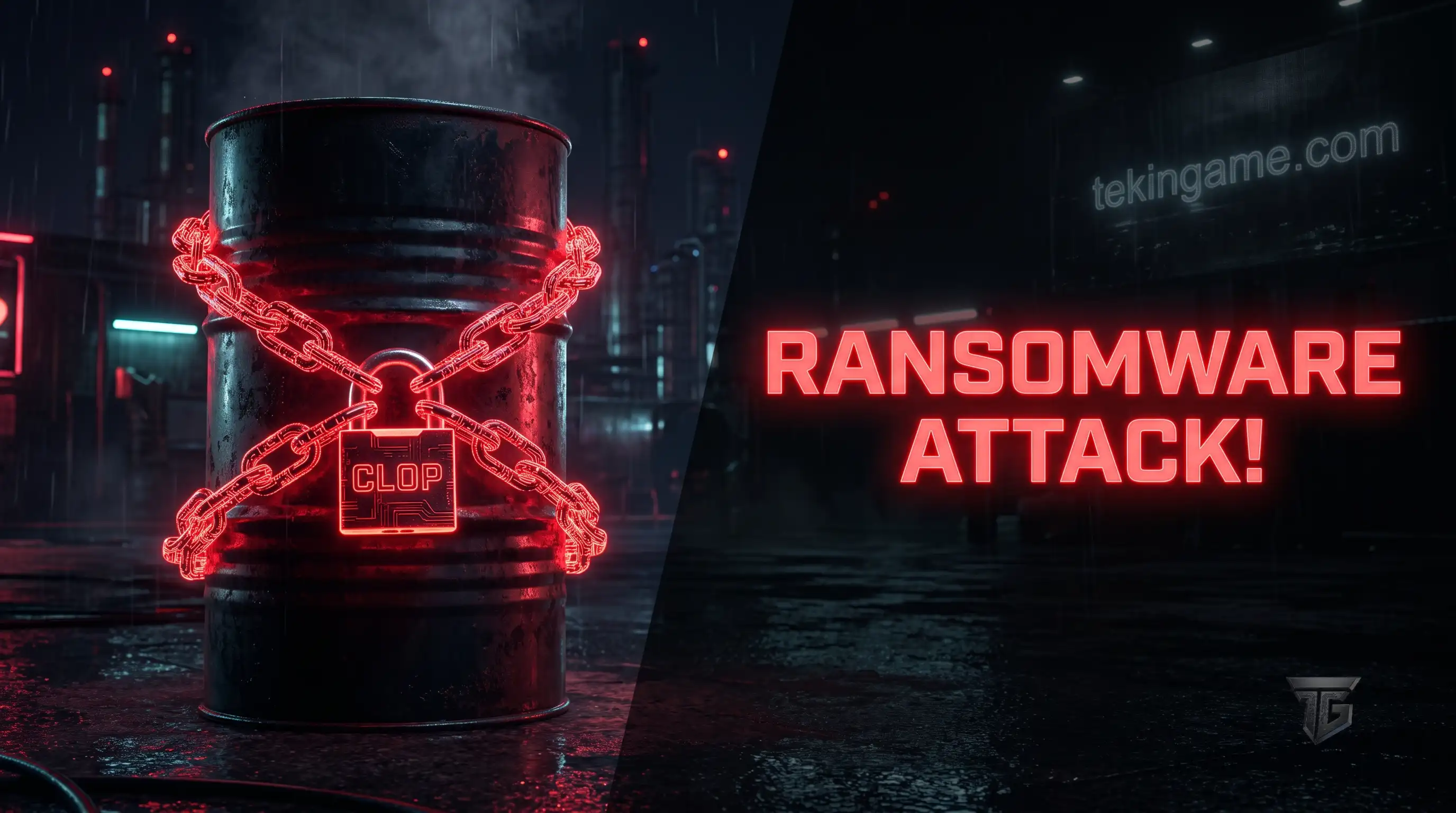
Simultaneously with the European banking arrests, multinational energy conglomerate Shell confirmed that its cyber defense teams are investigating a "potential security incident." The inquiry was initiated after the prolific Clop ransomware collective claimed responsibility for compromising internal data transfer architectures, alleging the exfiltration of terabytes of confidential commercial contracts, joint venture agreements, and geological exploration data.
In a concurrent emergency advisory, national cybersecurity agencies reported the active in-the-wild exploitation of a maximum-severity CVSS 10.0 vulnerability within SAP Commerce Cloud. This critical flaw allows unauthenticated remote attackers to execute arbitrary commands at the system root level (RCE) without requiring user credentials, granting threat actors complete administrative control over enterprise commerce portals and back-end database clusters.
Severe industrial risks posed by this dual security crisis include:
- Double extortion campaigns threatening to auction sensitive petroleum exploration intelligence on darknet leak portals
- Vulnerability exposure across thousands of enterprise B2B procurement portals and industrial supply chains running SAP
- Threat actors injecting fraudulent payment gateway scripts into compromised e-commerce checkouts to harvest corporate billing data
- SAP issuing emergency out-of-band security patches mandating immediate, zero-downtime deployment by enterprise administrators
- Elevated ransomware deployment velocity targeting organizations with delayed patch application cycles
These escalating campaigns illustrate that critical energy and enterprise commerce infrastructures remain prime targets for state-aligned and financially motivated cyber syndicates.

The expert assessment below from leading threat intelligence analysts details the systemic risk of enterprise application vulnerabilities.
The comparative matrix below evaluates landmark enterprise zero-day vulnerabilities and prominent extortion campaigns.
Comparative Matrix of Critical Enterprise Zero-Days & Ransomware Operations
| Vulnerability / Ransomware Threat | Severity Score & Exploit Vector | Targeted Enterprise Environment | Operational Impact & Exploitation Scope |
|---|---|---|---|
| SAP Commerce Cloud Zero-Day | CVSS 10.0 (Unauthenticated RCE) | Enterprise B2B E-Commerce Portals | Complete Host Compromise & Database Exfiltration |
| Clop Ransomware Campaign on Shell | Secure File Transfer Protocol Breach | Energy Sector Commercial Infrastructure | Terabytes of Confidential Exploration Data Stolen |
| Banking Supply-Chain Malware | API Token Hijacking & Memory Injection | Financial Transaction Middleware | €30M Unauthorized Siphoning to Crypto Wallets |
| MOVEit Transfer SQLi Exploit | CVSS 9.8 (Unauthenticated SQLi) | Managed Corporate File Transfer Hosts | Mass Data Theft Impacting 60M+ Global Records |
| Fortinet SSL-VPN Auth Bypass | CVSS 9.6 (Remote Authentication Bypass) | Enterprise Perimeter Gateways | Lateral Movement into Government & Defense Enclaves |
Below is Tekin Game's visual breakdown and technical video coverage analyzing the SAP Commerce Cloud exploit mechanism and forensic patch guides.
To assist security engineers and network administrators with advanced threat terminology, the reference box below details critical concepts.
Technical Jargon Buster & Core Concepts
| Term / Concept | Definition & Industry Impact |
|---|---|
| Unauthenticated Remote Code Execution | A severe software flaw allowing attackers to run arbitrary code on a remote server without valid login credentials. |
| Supply-Chain Cyber Attack | Infiltrating a trusted third-party vendor to indirectly breach connected downstream enterprise clients and banks. |
| Fileless Malware & Memory Injection | Malicious code executing directly within volatile RAM to evade traditional disk-based antivirus scanners. |
| Why this matters | Evaluating Rumor vs. Reality regarding critical energy infrastructure security and enterprise threat containment on Tekin Game. |
macOS Screen Sharing Exploited for Covert Monero Mining as Evooo1Bot Linux Network Expands
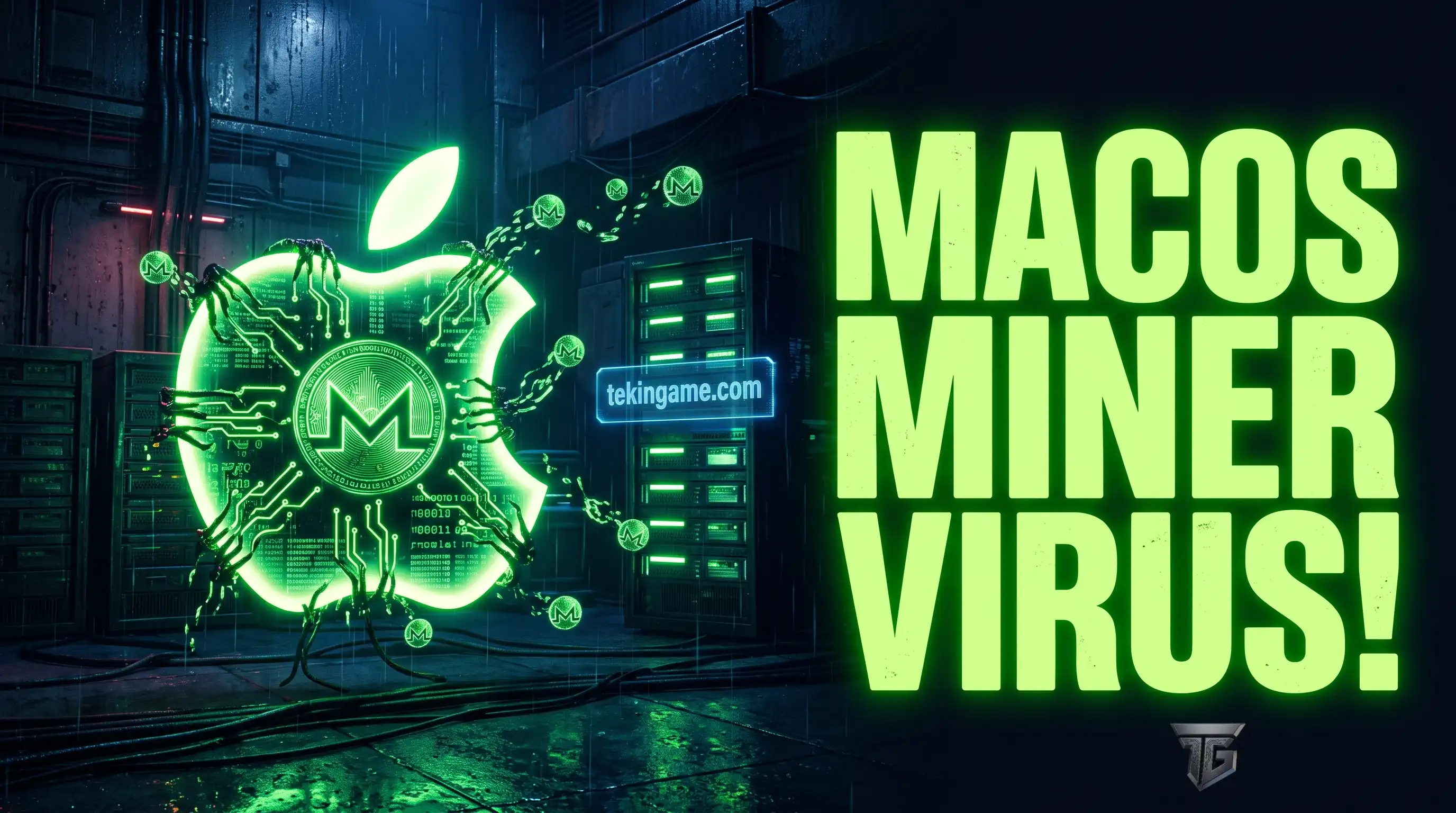
Endpoint security researchers uncovered a novel exploitation vector targeting systems running Apple's macOS. Threat actors are actively leveraging an authorization flaw within the native macOS Screen Sharing and remote management protocol to silently deploy obfuscated Monero (XMR) cryptocurrency miners. By dynamically throttling CPU utilization during user activity, the miner evades detection by Activity Monitor while monetizing compromised hardware resources.
Concurrently, network telemetry revealed the aggressive expansion of a new Linux-focused botnet named Evooo1Bot. Targeting enterprise routers, edge gateways, and IoT controllers via unpatched firmware vulnerabilities, Evooo1Bot converts compromised devices into distributed traffic relay nodes to mask the origin of high-volume DDoS and credential-stuffing campaigns.
Technical evasion mechanisms utilized by these emerging threats include:
- Employing heavily obfuscated shell scripts to bypass Apple Gatekeeper and XProtect endpoint integrity checks
- Immediately terminating computational mining threads upon detecting active process monitoring utilities
- Achieving persistence across Linux routers by modifying non-volatile flash memory and crontab configurations
- Constructing decentralized proxy networks enabling cybercriminals to launch anonymous attacks against financial portals
These emerging threats demand rigorous endpoint visibility, behavioral anomaly detection, and systematic router firmware hardening.

The comparative table below itemizes evasion techniques, compromise indicators, and remediation steps across contemporary endpoint threats.
Comparative Analysis of Modern Endpoint Malware & Evasion Tactics
| Malware Family & Target Operating System | Infiltration Vector & Persistence Mechanism | Key Indicators of Compromise (IoCs) | Remediation & Hardening Protocol |
|---|---|---|---|
| macOS Screen Sharing Miner | Exploiting Remote Screen Sharing Daemon | Abnormal Idle CPU Heating & Fan Activity | Disable Screen Sharing & Apply macOS Security Update |
| Evooo1Bot Linux Router Botnet | Scanning Exposed SSH Ports & Vulnerabilities | Surging Outbound Traffic Spikes on Edge Routers | Update Firmware, Disable WAN Management & Rotate Keys |
| In-Memory Banking Trojan | Injecting Payloads into Legitimate RAM Processes | Irregular High-Value Off-Hours Transactions | Deploy Endpoint Detection & Response (EDR) Behavioral Heuristics |
| Clop Multi-Platform Ransomware | Exploiting Enterprise Managed File Transfers | Encrypted Database Tables with .clop Extension | Network Isolation & Recovery from Air-Gapped Backups |
| Corporate Webmail Session Hijacker | Adversarial Phishing & Cookie Exfiltration | Unauthorized Logins from Disparate Foreign IPs | Enforce Hardware-Bound Multi-Factor Authentication (FIDO2) |
📚 Classified & Related Dossiers in TekinGame
If you wish to explore beyond this report and delve into cybernetic frontiers and autonomous AI architectures, do not miss these three exclusive deep-dives in the Tekin Garage:
Why Covert Cryptomining Represents an Enterprise Gateway Threat
Covert miners not only degrade expensive silicon hardware but frequently serve as the initial access foothold for ransomware gangs.
Tekin Game emphasizes the immediate necessity of deploying continuous network telemetry monitoring tools.
Multi-Layered Cyber Defense Frameworks: Transitioning from Perimeter Security to Zero Trust
The simultaneous compromise of European banking vendors, extortion threats against Shell, and the critical SAP Commerce Cloud vulnerability have exposed the fatal flaws of traditional perimeter-based security architectures. Modern enterprise resilience mandates an immediate migration toward Zero Trust Architecture (ZTA), which fundamentally operates under the assumption that an adversary has already gained an initial foothold inside the internal corporate network.
Central banking authorities and international cybersecurity regulators are establishing binding compliance frameworks requiring financial and industrial operators to enforce micro-segmentation, continuous multi-factor authorization, and real-time AI-powered behavioral anomaly telemetry across all operational assets.
Essential implementation directives for enterprise infrastructure hardening include:
- Mandating rigorous third-party software supply-chain audits, including mandatory static and dynamic API code reviews
- Accelerating emergency patch deployment pipelines, particularly for internet-facing SAP Commerce Cloud installations
- Disabling unauthenticated remote desktop and screen sharing daemons across all enterprise corporate workstations
- Enforcing strict physical and logical network segmentation isolating operational technology (OT) from corporate IT networks
- Maintaining immutable, air-gapped offline backups of all critical databases, commercial contracts, and transaction ledgers
These proactive measures ensure that a single compromised vendor cannot trigger the catastrophic collapse of an entire organizational ecosystem.

The comparative matrix below contrasts legacy perimeter defenses with modern Zero Trust architectural frameworks.
Comparative Analysis of Legacy Perimeter Defense vs. Zero Trust Architecture
| Defense Vector & Security Domain | Legacy Perimeter-Based Model | Modern Zero Trust Architecture (ZTA) | Resilience Against 2026 Threat Vectors |
|---|---|---|---|
| Identity & Access Verification | One-Time Login at Network Boundary | Continuous, Context-Aware Dynamic Authentication | Prevents API Token Hijacking & Session Replay |
| Third-Party Vendor Access | Broad Virtual Private Network (VPN) Access | Strict Principle of Least Privilege (PoLP) | Eliminates Lateral Movement from Supply Chains |
| In-Memory Malware Detection | Static File Hashes & Signature Scanners | Real-Time Behavioral EDR Memory Telemetry | Instant Identification of Fileless Attack Chains |
| Web Application & Cloud Portals | Basic Layer 3/4 Port-Based Firewalls | AI-Powered Next-Gen Web Application Firewalls | Neutralizes Unauthenticated RCE Exploit Payloads |
| Enterprise Backup Strategy | Network-Attached Local Storage | Immutable, Cryptographically Sealed Air-Gapped Backups | 100% Immunity to Clop Double Extortion Schemes |
Below is Tekin Game's technical video analysis demonstrating forensic traffic analysis of the Evooo1Bot relay network and router vulnerability mitigation.
Strategic Synthesis: The Critical Imperative for Resilient Digital Infrastructure in 2026
The convergence of Europol's €30M banking takedown, the extortion campaign targeting Shell, and the discovery of critical flaws in SAP Commerce Cloud demonstrates that 2026 is defined by high-stakes asymmetric cyber warfare. As digital assets and software integrations increasingly drive the global economy, vulnerabilities within the software supply chain pose profound economic and geopolitical risks.
While international law enforcement coordination has proven capable of dismantling transnational cybercrime networks, genuine institutional security is achieved only through proactive internal architecture design and continuous cyber hygiene.
Strategic takeaways for corporate executives and cybersecurity leadership include:
- Reassessing legal liabilities and technical oversight across all third-party software supply chains
- Deploying continuous threat hunting and automated anomaly detection across financial payment gateways
- Prioritizing firmware hardening and vulnerability remediation on edge routing devices against botnet recruitment
- Cultivating continuous cybersecurity awareness training to immunize personnel against advanced social engineering
These critical events deliver an unequivocal message to global leaders: cybersecurity is not an operational overhead expense, but the foundational prerequisite for institutional survival.

The official position of the Tekin Editorial Board regarding these cybersecurity disclosures is detailed below.
The strategic risk assessment matrix below summarizes key threat vectors, vulnerabilities, and recommended countermeasures across critical industry sectors.
Strategic Industry Risk & Conclusion Matrix
| Cyber Threat & Infrastructure Vector | Strategic Risk / Opportunity Level | Tekin Advisory Outlook |
|---|---|---|
| Banking Software Supply-Chain Breaches | Severe Financial Exfiltration Risk | Mandates quarterly independent audits and continuous code review for all fintech vendors |
| Clop Ransomware Campaign on Shell | Geopolitical Data Leakage Hazard | Requires air-gapped isolation of strategic energy exploration data and immutable backups |
| Max-Severity SAP Commerce Cloud Flaw | Critical Commerce Disruption Risk | Demands emergency deployment of vendor patches and continuous web application firewall filtering |
| Stealth macOS Monero Cryptominers | Endpoint Resource Degradation Vector | Elevates corporate vigilance over remote screen sharing permissions and background CPU heuristics |
| Europol International Police Action | Law Enforcement Deterrence Surge | Strengthens global threat intelligence sharing and cross-border cybercrime prosecution |
The global security community must remain hyper-vigilant as threat actors continuously evolve their offensive capabilities.
Tekin Game will provide 24/7 continuous monitoring of zero-day bulletins, ransomware leak disclosures, and critical infrastructure advisories.
Conclusion: Fortifying Enterprise Security in an Age of Asymmetric Cyber Warfare
This specialized cybersecurity intelligence briefing from Tekin Game on the €30M European banking takedown, the ransomware crisis facing Shell, and the critical zero-day vulnerability in SAP Commerce Cloud underscores the immense complexity of securing modern digital enterprises. As criminal cartels employ increasingly sophisticated in-memory malware and supply-chain exploits, implementing proactive defense-in-depth and Zero Trust architectures is the only guaranteed safeguard for organizational viability and data sovereignty.
We trust this comprehensive technical evaluation provides you with the strategic clarity and actionable intelligence required to navigate today's hostile digital landscape.

Join the discussion at Tekin Game and share your technical perspectives on supply-chain security and ransomware defense in the comments section below.
- Decisive transnational law enforcement action by Europol taking down a major €30M banking fraud ring
- Rapid vendor coordination delivering emergency security patches for the max-severity CVSS 10.0 SAP flaw
- Heightened executive awareness regarding the acute security risks of third-party fintech supply chains
- Proactive identification of emerging macOS cryptomining vectors and Linux edge-router botnet networks
- High risk of strategic data leakage and extortion demands confronting energy supermajor Shell
- Operational delays across enterprise IT departments lagging in deploying critical SAP cloud patches
- Increasing sophistication of fileless in-memory malware severely challenging legacy detection tools
Related Industry Features on Tekin Game
• 🔓 Tekin Analysis | PlayStation, Switch & Xbox Console Jailbreak & Security Status
• 🌙 Tekin Night July 5, 2026 | PS5 Digital Edition Evolution & Midjourney AI Expansion
• 🎮 Tekin Night July 1, 2026 | Gaming Industry Shakeup & Next-Gen Console Engineering
Frequently Asked Questions About the European Banking Hack & SAP Threats
How did cybercriminals siphon €30 million from European banks?
By compromising a third-party software provider, forging privileged API tokens, and manipulating automated batch logs.
What data did the Clop ransomware group claim to steal from Shell?
Terabytes of commercial contracts, joint venture agreements, and proprietary geological exploration data.
Why is the SAP Commerce Cloud vulnerability rated CVSS 10.0?
Because it allows unauthenticated remote attackers to execute arbitrary commands at the system root level (RCE).
How does the macOS Screen Sharing cryptominer evade detection?
By throttling CPU consumption and terminating mining threads when active monitoring tools like Activity Monitor open.
What devices are targeted by the Evooo1Bot Linux botnet?
Enterprise edge routers, MikroTik and Cisco gateways, converting them into untraceable DDoS traffic relays.
What is the most effective defense against software supply-chain attacks?
Adopting a Zero Trust Architecture with continuous authentication, API auditing, and strict least-privilege policies.
Sources and Citations
- BleepingComputer: Hackers Arrested Over €30M Bank Fraud
- BleepingComputer: Shell Investigates Incident After Clop Claims
- BleepingComputer: Max Severity SAP Commerce Cloud Flaw Targeted
- BleepingComputer: Hackers Exploit macOS Screen Sharing Flaw
- BleepingComputer: New Evooo1Bot Linux Botnet Turns Routers into Relays
- The Hacker News: Supply Chain Banking Infiltrations and Zero Trust
Additional Gallery: 🛡️ Cybersecurity Intelligence | €30M European Banking Ring Busted & Shell Ransomware Incident