
Fear of AI Created a Bad Market Week; Dissecting the Wall Street Storm
The past week was one of the most volatile periods for global markets in 2026. Despite cooling inflation data, the Nasdaq and S&P 500 faced severe liquidation. In this Tekin Plus strategic briefing, we analyze the 'Software Cannibalization' phenomenon—the market's growing fear that Agentic AI will render conventional SaaS business models obsolete. We are witnessing a historic pivot from 'Software as a Tool' to 'AI as an Agent'.
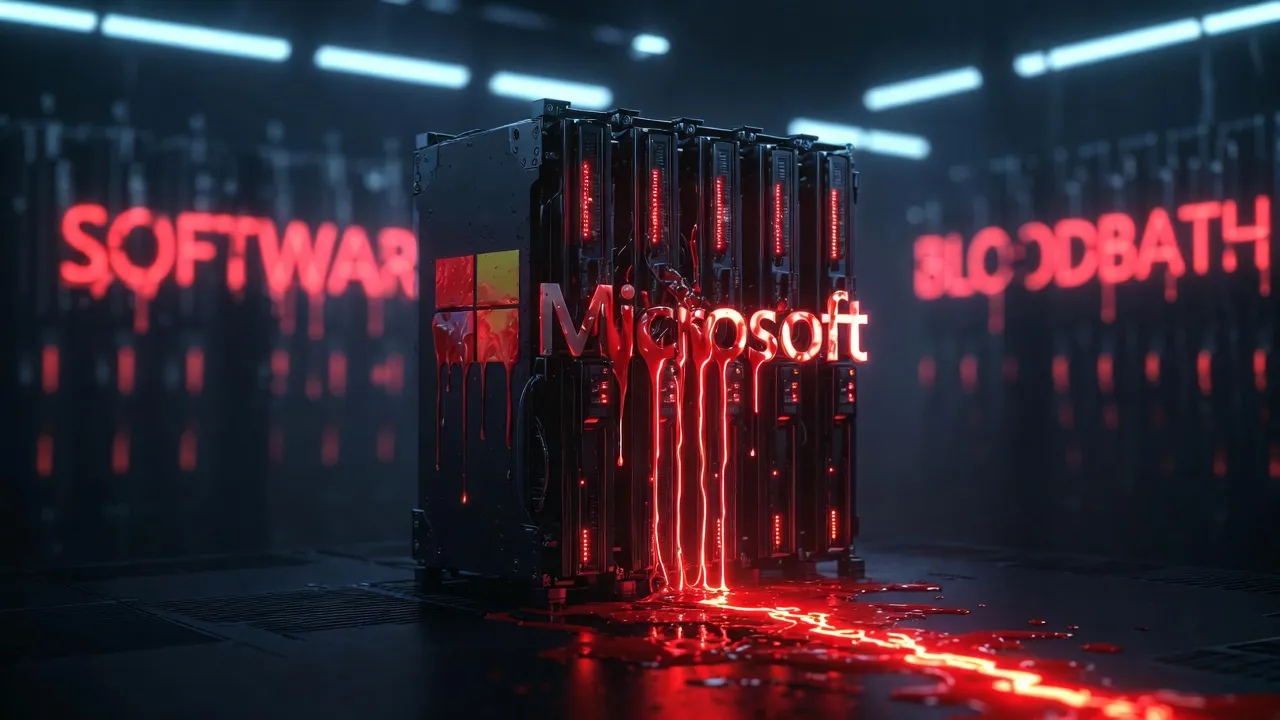
Layer 1: The Nasdaq Liquidation; The Inflation Paradox
While CPI indicators showed inflation under control, the Nasdaq plummeted 2.1%. The reason? Algorithmic traders realized that interest rate cuts are no longer the primary driver. Investors have shifted their gaze from 'Cost of Capital' to the 'Sustainability of Revenue Models'. This is a cold realization that legacy software moats are shrinking.

Layer 2: The 'SaaS Cannibalization' Crisis
Wall Street's biggest fear is the end of the seat-based licensing era. When agentic models like Spark can perform the work of ten employees, corporate demand for individual licenses drops. The market is correctly identifying that 'User Count' is no longer a reliable metric for valuing software giants.


Layer 3: Adobe and Microsoft on the Brink
Both Adobe and Microsoft took heavy hits this week. While both are AI leaders, investors worry that new AI revenue streams won't scale fast enough to compensate for the decline in traditional enterprise subscriptions. The high Capex required for AI-Native transitions is compressing margins across the board.


Layer 4: Hardware Antifragility; NVIDIA and Cerebras Wins
Amidst the software rout, NVIDIA and newcomer Cerebras thrived. Wall Street has concluded that as software agents consume each other, the demand for 'Compute Power' remains insatiable. In the current tech storm, hardware is the only safe harbor for capital.


Layer 5: Agentic Economics; From Tool to Proxy
We are moving toward a valuation model based on 'Successful Agentic Outcomes' rather than 'Monthly Active Users'. Legacy SaaS companies failing to deploy autonomous agents are seeing their valuations slashed as they become less relevant in the automated workflow era.

Layer 6: The Battle for Proprietary Data
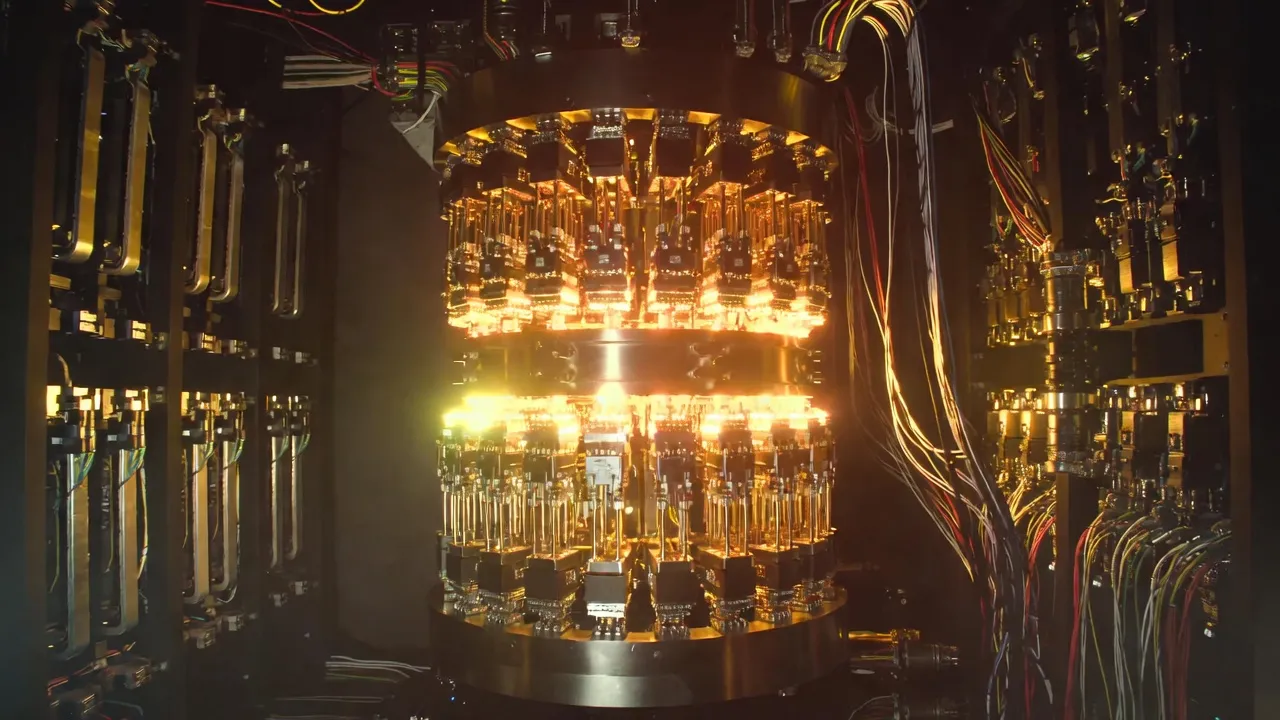
Investors are prioritizing content owners (like Reddit or major publishers) over tool-makers. The fear of public training data depletion has turned 'Content IP' into a critical valuation variable on the stock market. Data is the new oil, but only if you own the well.


Layer 7: Defensive Rotation into Utilities
A notable market move was the flight from Silicon Valley into Energy and Power sectors. AI is energy-hungry. Wall Street is betting on the grid; power companies that fuel tomorrow's hyper-dense data centers are the new defensive favorites.


Layer 8: Regulatory Shadows and the FTC
The FTC's probe into Microsoft's cloud monopoly added fuel to the fire. The threat of a forced separation between OpenAI and Microsoft's cloud infrastructure is a primary concern for institutional investors, leading to intensified sell-offs in Redmond stock.
📚 Classified & Related Dossiers in TekinGame
If you wish to explore beyond this report and delve into cybernetic frontiers and autonomous AI architectures, do not miss these three exclusive deep-dives in the Tekin Garage:

Layer 9: The Silicon Valley VC Shift
Venture capital is pivoting away from 'SaaS Apps' toward 'Autonomous Infrastructure'. The market favors companies that are aggressively shrinking human headcounts to increase efficiency, though this brings significant execution risks that the bourses are starting to price in.


Layer 10: Energy Constraints as a Growth Ceiling
Goldman Sachs analysts warned that the US power grid's limitations might set a hard ceiling for AI valuation growth by 2027. Wall Street no longer believes in infinite digital growth; 'Real-World Physics' is back in the calculation.

Layer 11: Efficiency vs. Consumer Spending
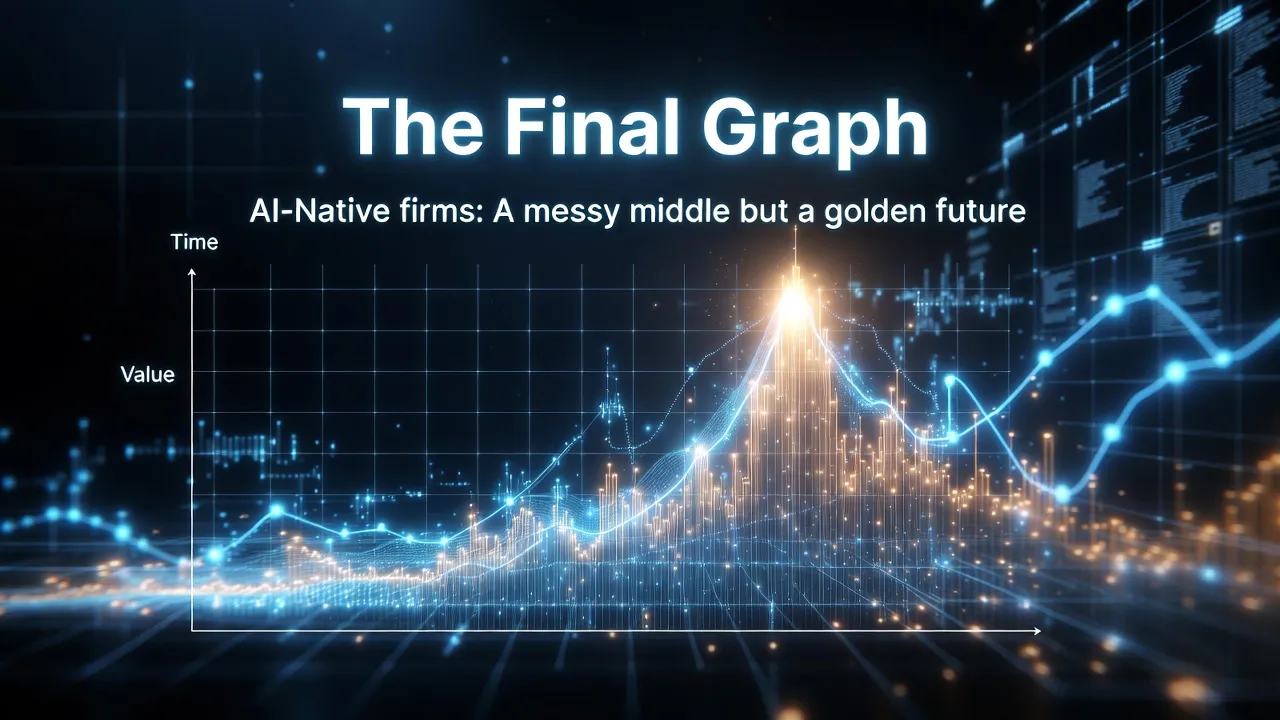
As coding efficiency hits 1,000 tokens per second, the demand for mid-level engineering declines. While the market sees this as a margin booster, it simultaneously worries about the long-term impact on 'Consumer Buying Power' and the risk of a wider economic slowdown.

Layer 12: Purple Fabric and Emerging Markets Growth
Software firms focused on lean computing in emerging markets—like the 'Purple Fabric' model—showed green tickers. This highlights growth potential in regions that aren't yet saturated and are hungry for localized AI solutions.

Layer 13: Flight to Real Estate
Prudent investors are rotating tech gains into physical assets. Growth in the Real Estate sector amidst the Nasdaq drop indicates a smart 'Exit Strategy' from what some perceive as a software-based AI bubble.

Layer 14: The Death of Switching Costs
AI makes migrating from one software platform to another as simple as a natural language prompt. This kills 'Customer Stickiness', the backbone of SaaS valuations. This is the most dangerous analysis layer for long-term tech holders.

Layer 15: Conclusion; Creative Destruction on Wall Street
Last week wasn't just a price correction; it was a strategic warning. Wall Street is separating the infrastructure winners from the licensing losers. To survive in this market, look for companies that sell 'Intelligence' as a final product, not just as a feature.

🌐 Stay Connected With Us 🎮✨
For the latest tech, gaming, and gadget news, follow us on our official social media channels:
