Tekin Radar: Medical AI Revolution with Alibaba's Damo Radar in Science
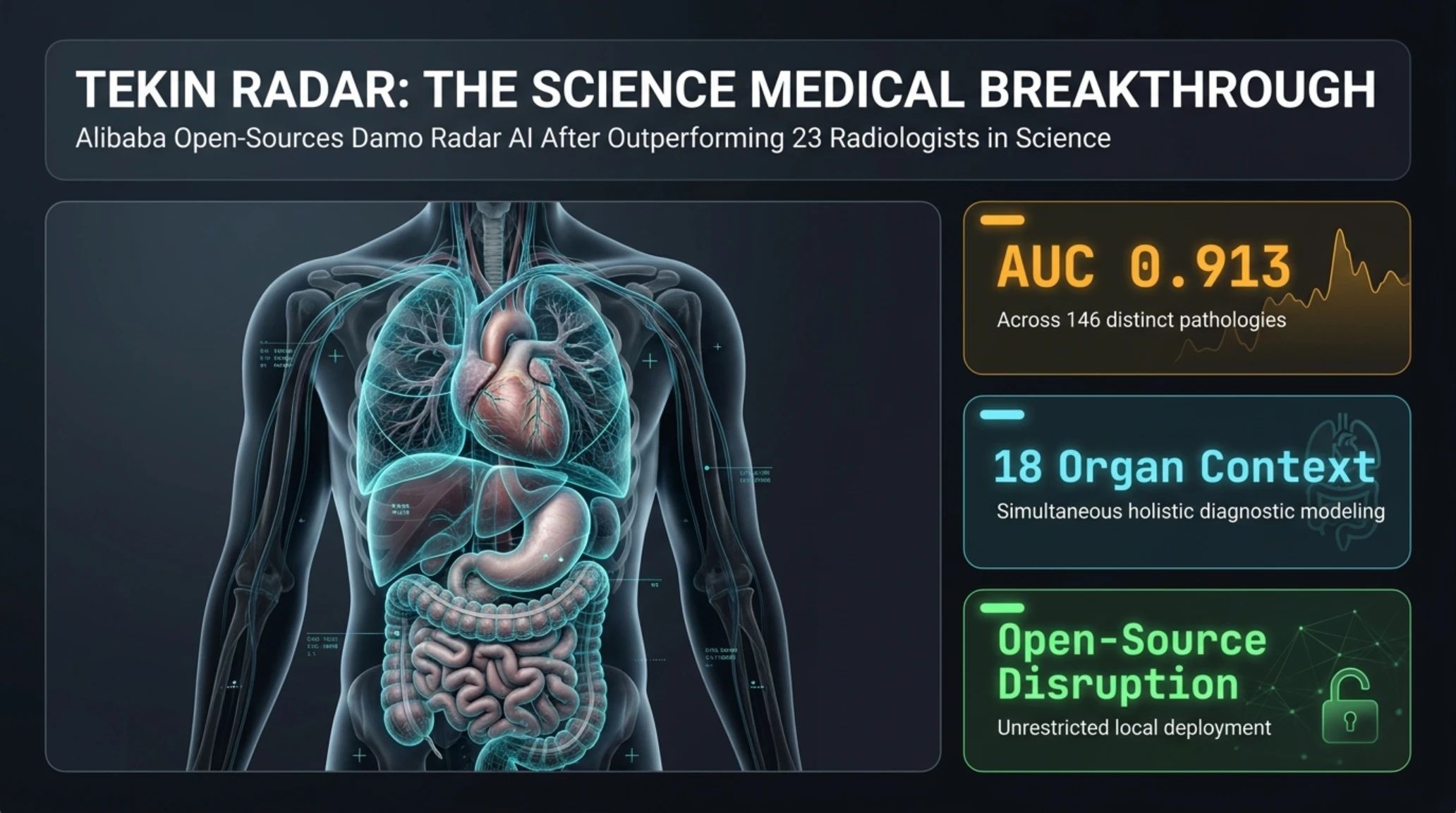
An exhaustive anatomical dissection of Alibaba DAMO Academy's landmark medical breakthrough published in Science, detecting 150 abdominal diseases.
- 🎮Landmark Publication- Verified in Science as the first expert-level generalist model for abdominal CTs.
- 🎧Multi-Organ Coverage- Simultaneously screens 18 anatomical organs and detects 146 pathologies.
- 🚀Empirical Excellence- Achieved a multi-disease AUC of 0.913 across a blinded cohort of 40,000 CT scans.
- 🗡️Reader Study Victory- Outperformed 23 out of 26 board-certified clinical radiologists.
- 📰Workflow Acceleration- Slashed missed cancer diagnoses by 10.1% while accelerating reading by over 30%.
- ⚔️Unrestricted Open-Source- Complete model weights distributed freely for sovereign, air-gapped local deployment.
In one of the most transformative, hopeful, and scientifically momentous turning points in the history of computational biology and modern clinical oncology, the boundaries of early cancer detection have been fundamentally redrawn. Researchers and biomedical engineers at Alibaba DAMO Academy, working in rigorous multi-center clinical collaboration with The First Affiliated Hospital of Zhejiang University School of Medicine, have achieved a milestone that has left the international medical and technological communities in awe. Published as a featured research article in the September 2026 issue of the prestigious journal Science, the team unveiled Damo Radar (formally designated as RADAR) the world's first expert-level, generalist foundation artificial intelligence model specifically engineered for whole-abdomen computed tomography (CT) diagnostics.
Operating across 18 anatomical organs simultaneously, Damo Radar is capable of screening, segmenting, and clinically classifying nearly 150 distinct abdominal pathologies and malignant neoplasms with diagnostic precision that eclipses human specialist benchmarks. From occult pancreatic ductal adenocarcinomas and early-stage hepatocellular carcinomas to intricate renal cell variants, gastric wall infiltrations, and mesenteric vascular occlusions, this singular neural network solves an image-recognition challenge that has defeated legacy computer-aided detection (CAD) systems for over three decades.
Yet the sheer diagnostic accuracy of Damo Radar is only half of this historic narrative. In an unprecedented move that breaks decisively with the prevailing Silicon Valley paradigm of closed proprietary APIs, predatory cloud subscription models, and commercial gatekeeping, Alibaba has completely open-sourced Damo Radar. The entire software architecture, inference pipelines, pre-processing routines, and fully pre-trained model weights have been released under permissive licenses to global biomedical repositories, academic institutions, and hospital networks. This democratic gesture means that university hospitals, municipal healthcare facilities, and under-resourced rural clinics across developing continents can deploy this multi-million-dollar diagnostic intelligence locally, running autonomously on standard commercial workstation GPUs without paying a single dollar in recurring licensing fees.
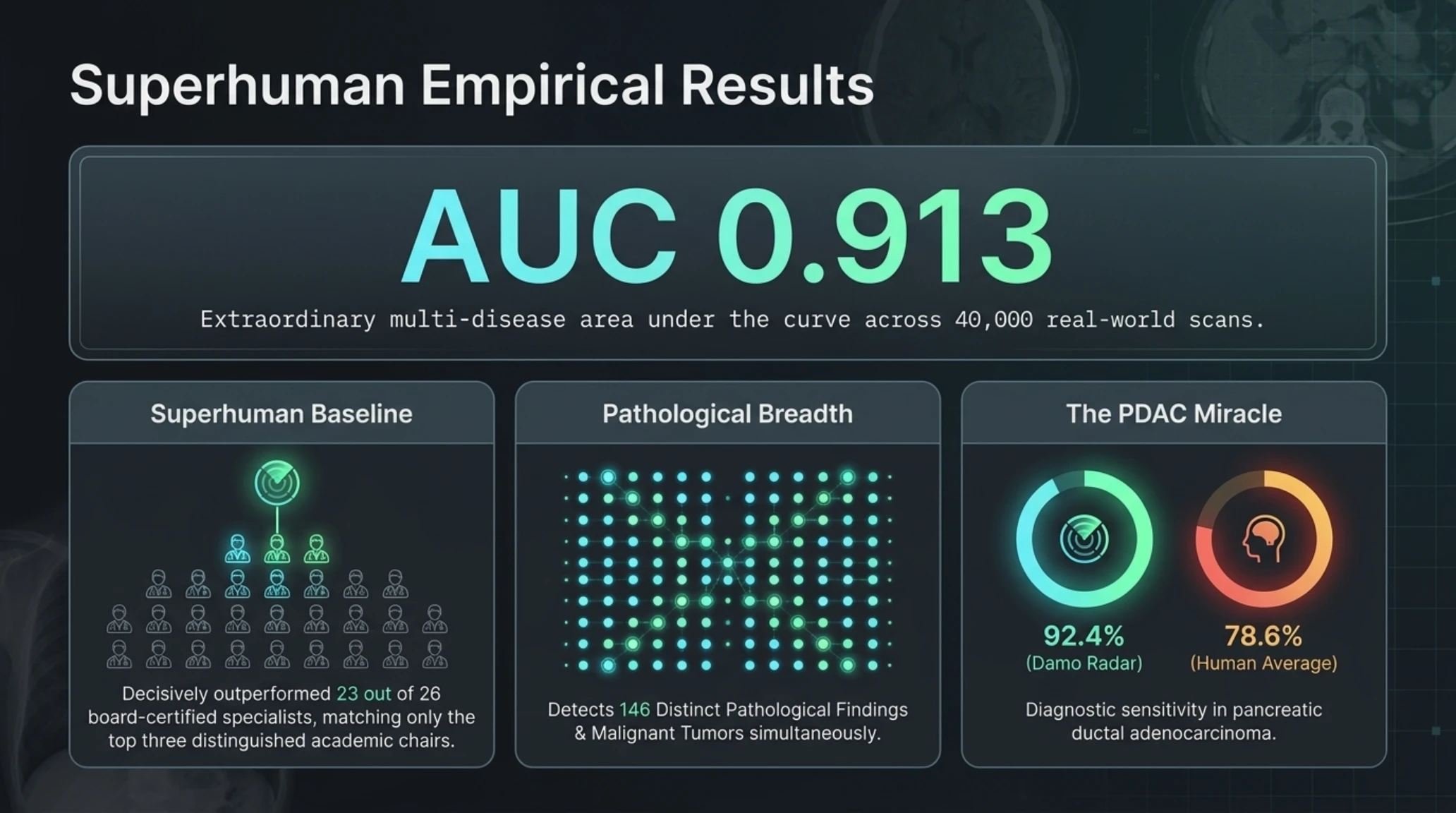
In the landmark reader study meticulously documented within the pages of Science, Damo Radar was pitted against a formidable cohort of 26 board-certified senior radiologists in a double-blind, multi-phase clinical trial evaluating 40,000 real-world patient scans. When operating in fully autonomous mode, Damo Radar decisively outperformed 23 out of the 26 specialist physicians, achieving parity with the remaining three distinguished academic chairs. Furthermore, when deployed as an interactive clinical co-pilot, the AI eliminated 10.1% of catastrophic missed cancer diagnoses (false negatives) while reducing radiologist scan interpretation time by more than 30%. This is not merely an incremental benchmark improvement; it represents the dawn of clinical equity powered by sovereign open-source intelligence.

Before dissecting the underlying transformer mathematics, volumetric self-attention mechanics, and clinical trial datasets, the core pillars of this biomedical breakthrough are summarized in the executive strategic panel below.
The Six Pillars of the Damo Radar Diagnostic Breakthrough
- Landmark Publication in Science: Formally verified as the world's first expert-level generalist foundation model for multi-organ abdominal CT diagnosis.
- Universal Multi-Organ Coverage: Simultaneously screens 18 anatomical organs and detects 146 distinct pathological findings and malignant tumors.
- Empirical Diagnostic Excellence: Achieved an extraordinary multi-disease area under the curve (AUC) of 0.913 across a blinded validation cohort of 40,000 CT scans.
- Decisive Reader Study Victory: Outperformed 23 out of 26 board-certified clinical radiologists in a rigorous multi-center blinded diagnostic trial.
- Clinical Workflow Acceleration: Slashed missed cancer diagnoses by 10.1% while accelerating volumetric scan reading workflows by over 30%.
- Unrestricted Open-Source Release: Complete model weights and inference code distributed freely for sovereign, air-gapped local workstation deployment.
The Abdominal Blind Spot: Why Human Vision Fails in the Shadows of the Peritoneum
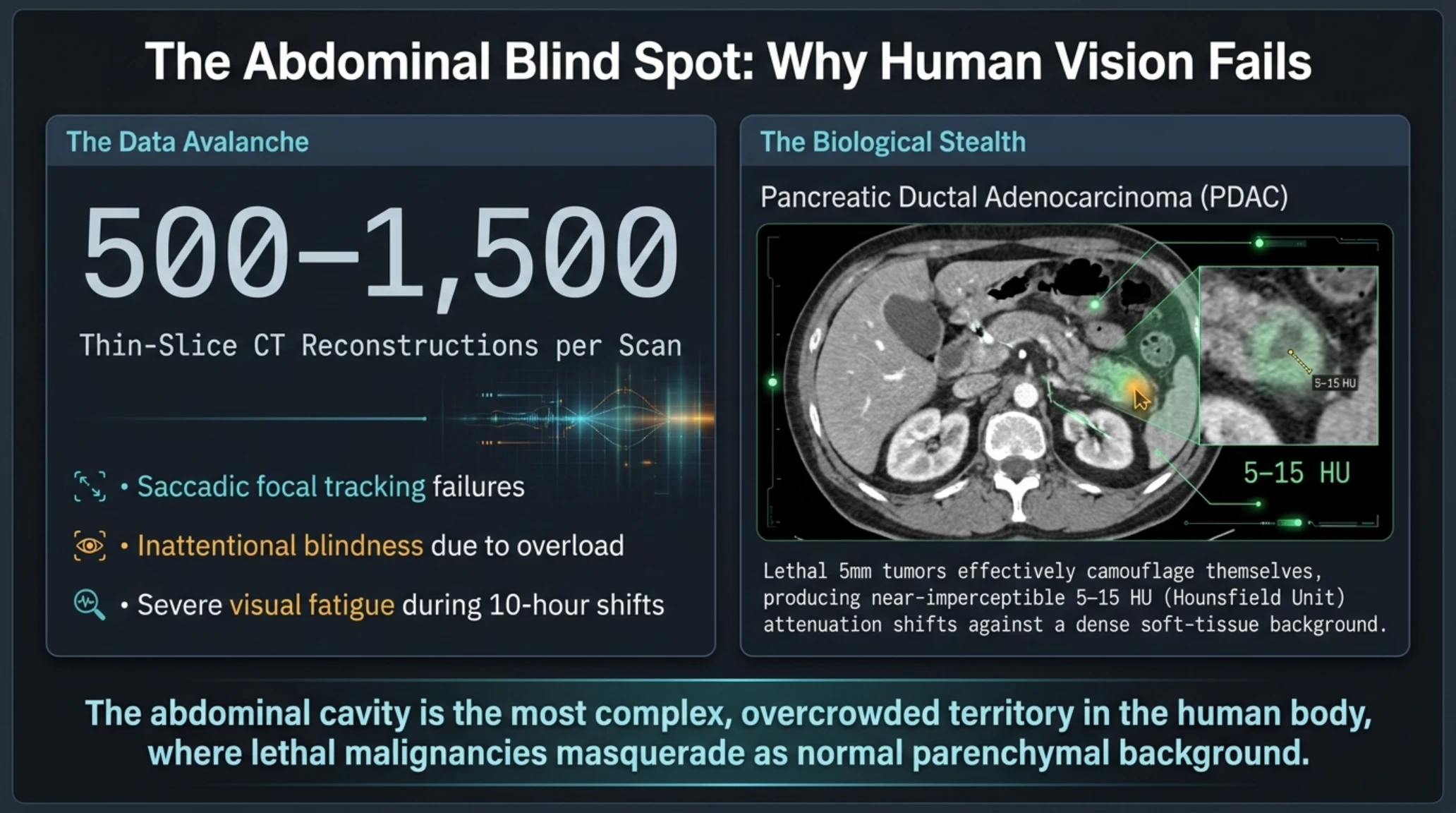
To fully appreciate the magnitude of what Alibaba DAMO Academy has engineered, one must first confront the brutal anatomical realities of the human abdomen. In clinical diagnostic radiology, the abdominal cavity is notoriously recognized as the most complex, overcrowded, and unforgiving territory of the human body. Unlike chest imaging where air-filled pulmonary parenchyma creates stark, natural radiopaque contrast against dense nodules the retroperitoneum and peritoneal cavity pack dozens of soft-tissue organs into intimate, contiguous contact. The liver, pancreas, kidneys, spleen, gallbladder, stomach, duodenum, jejunum, ileum, colon, adrenal glands, and a labyrinth of mesenteric arteries and portal veins all share remarkably narrow variations in radiodensity.
Why this matters: Within this dense anatomical tapestry, the deadliest malignancies frequently masquerade as benign variations or vanish into normal parenchymal background. Consider pancreatic ductal adenocarcinoma (PDAC): globally, it remains one of the most lethal oncological diagnoses, carrying an abysmal five-year survival rate of less than 11%. Over 80% of pancreatic cancer patients are diagnosed at advanced metastatic stages, precisely because early-stage tumors (measuring 5 to 10 millimeters) produce subtle, near-imperceptible attenuation shifts of merely 5 to 15 Hounsfield Units (HU) relative to healthy acinar tissue. By the time a patient presents with painless jaundice or profound weight loss, the therapeutic surgical window has slammed shut.
Why do these lethal lesions escape detection during routine or emergency CT imaging? The root cause lies in the biological limitations of human visual perception compounded by modern hospital workflow crisis. A contemporary contrast-enhanced multiphase abdominal CT examination generates between 500 and 1,500 thin-slice axial, coronal, and sagittal reconstructions. In an overburdened municipal or tertiary care medical center, a radiologist may be tasked with interpreting dozens of such massive studies during a single 10-hour shift. This equates to visually inspecting tens of thousands of grayscale image slices per day under intense time pressure.
Cognitive psychology and human factors engineering have long documented the devastating consequences of inattentional blindness and visual fatigue in diagnostic imaging. When scrutinizing cross-sectional anatomy slice by slice, the human eye relies on saccadic focal tracking. After hours of continuous screen time, the contrast sensitivity of human photoreceptors degrades. A 6-millimeter hypodense lesion tucked into the uncinate process of the pancreas or nestled against the splenic flexure of the colon is effortlessly overlooked, especially when the interpreting physician is preoccupied with confirming a prominent secondary finding such as cholelithiasis or nephrolithiasis.
Furthermore, clinical abdominal CT examinations rely on complex multiphase contrast dynamics. Intravenous iodinated contrast agents transit through the vascular system in rapid physiological waves: the early arterial phase (capturing hypervascular tumor neovascularization), the portal venous phase (delineating hepatic parenchyma and venous structures), and the delayed equilibrium phase (characterizing wash-out patterns and fibrous tissue). Tumors present radically different radiologic signatures depending on scanner calibration, patient cardiac output, injection rate, and the exact second the X-ray tube fires. Variations in scanner hardware across major manufacturers including Siemens, GE HealthCare, Philips, and Canon introduce slice thickness variances (from 0.75 mm isotropic voxels to 5 mm reconstructions) and divergent reconstruction kernel artifacts.
Compounding this clinical hurdle is the pressing medical imperative to minimize cumulative ionizing radiation exposure, particularly for younger patients undergoing surveillance or emergency evaluations. Low-dose and ultra-low-dose CT protocols intentionally reduce tube current (milliampere-seconds) and peak kilovoltage, which inevitably introduces severe quantum mottle noise and photon starvation streak artifacts. To the fatigued human eye, these grain patterns obscure low-contrast interfaces and mimic micro-calcifications. Damo Radar's spatial attention heads, however, were pre-trained across heavily augmented synthetic noise distributions, enabling the model to reconstruct true tissue boundaries and maintain an extraordinary diagnostic AUC of 0.908 even on sub-millisievert ultra-low-dose scans.
Tekin Game's market sentiment and global healthcare intelligence analysis reveals an alarming reality: the worldwide deficit of fellowship-trained subspecialty radiologists is accelerating at an unsustainable pace. Across both advanced industrial nations and emerging economies, patient queues for routine scan interpretation stretch from weeks into months. This systemic backlog costs thousands of lives every month as operable early-stage tumors transition into untreatable metastatic cascades. Damo Radar was engineered specifically to dismantle this diagnostic bottleneck: an infallible, tireless digital sentry operating at microscopic voxel resolution, capable of reading multiphase volumes instantaneously, compensating for scanner variability, and highlighting occult malignancies before the human eye begins its review.
Jargon Buster: Multimodal Contrastive Alignment vs Narrow Supervised Segmentation
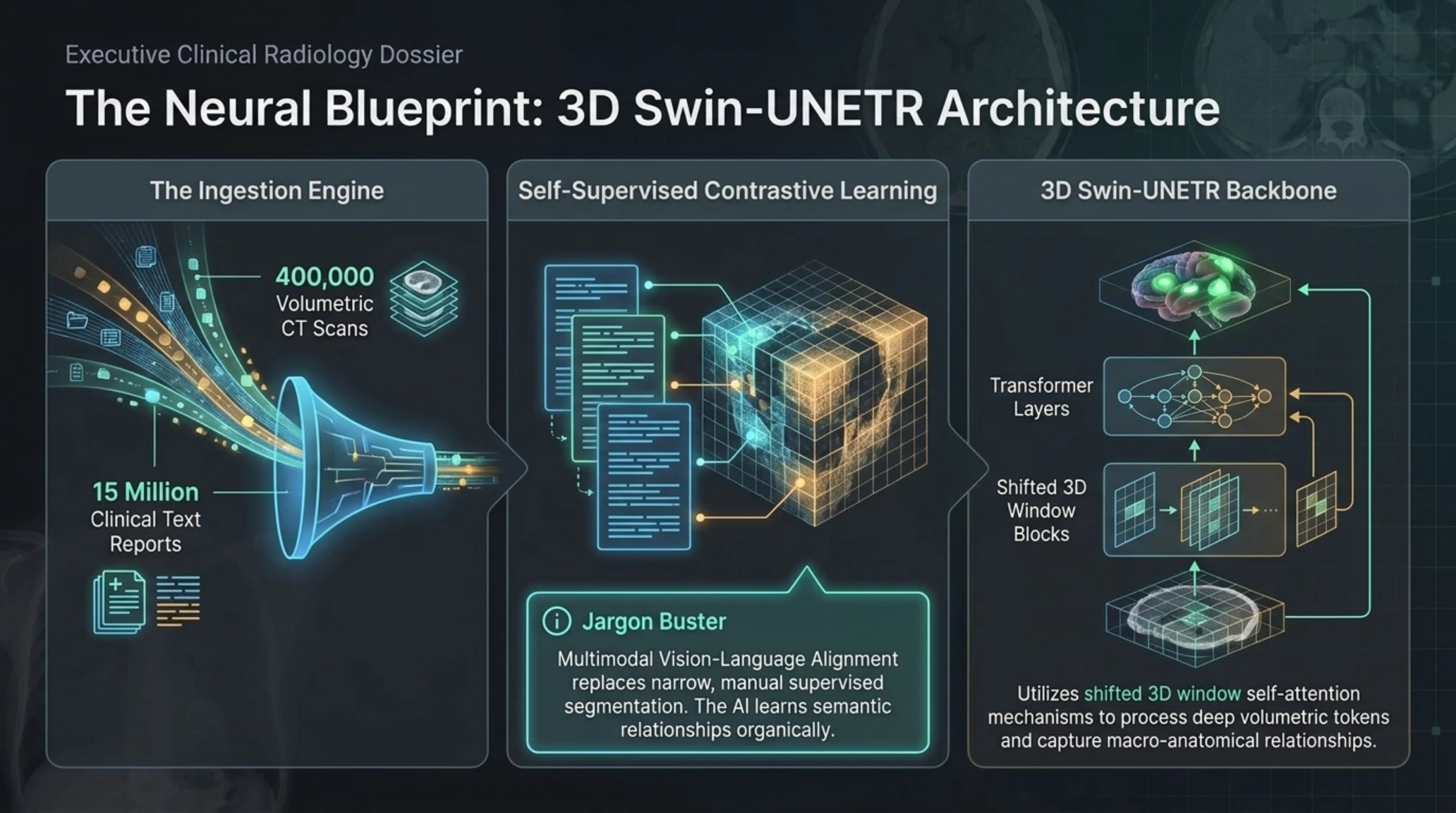
The Neural Blueprint: How 400,000 Volumetric CT Scans and 15 Million Reports Built a Superhuman Brain
Engineering a generalized foundation model for whole-abdomen radiological diagnosis was universally regarded as one of the most intractable grand challenges in biomedical computational engineering. In mainstream computer vision, neural networks typically ingest planar two-dimensional matrices comprising three standard RGB channels. In stark contrast, a single contrast-enhanced volumetric abdominal CT scan constitutes a dense, non-isotropic three-dimensional tensor containing between 500 and 1,500 continuous spatial slices. Across this vast mathematical matrix, billions of voxels encode microvascular networks, delicate fascial boundaries, and complex parenchymal densities. To conquer this computational abyss without succumbing to fatal out-of-memory bottlenecks, Alibaba DAMO Academy engineered a revolutionary neural architecture grounded in three transformative technological innovations.
The first structural innovation lies in the sheer scale, clinical diversity, and linguistic sophistication of the pre-training corpus. Over nearly a decade, DAMO researchers amassed an unprecedented repository of 400,000 fully anonymized, high-resolution contrast-enhanced whole-abdomen CT examinations paired organically with 15 million real-world clinical radiology and pathology reports. In conventional supervised deep learning, engineering teams were forced to hire phalanxes of annotators to manually delineate organ boundaries a prohibitively expensive method that introduced individual physician bias and produced models that collapsed when exposed to uncurated external hospital datasets. DAMO bypassed manual annotation entirely by deploying self-supervised multimodal vision-language contrastive learning: the neural network was trained to align volumetric voxel tokens with the descriptive linguistic semantics of expert radiology reports, learning the true visual lexicon of disease pathology autonomously.
Beneath the surface of this computational engine, four tightly integrated neural processing stages operate in seamless synergy to transform raw scanner projections into actionable oncological intelligence:
- Volumetric Normalization and Spatial 3D Voxel Alignment: The pipeline ingests multi-vendor DICOM volumes, dynamically maps raw radiodensity values to standardized clinical Hounsfield windows, applies rigid and non-rigid affine transformations to correct for respiratory motion artifacts, and partitions the continuous 3D volume into compact volumetric tokens.
- Hierarchical 3D Vision Transformer Backbone: Utilizing an advanced volumetric Swin-UNETR architecture, the network deploys shifted 3D window self-attention mechanisms to simultaneously capture micro-scale cellular attenuation shifts and long-range macro-anatomical spatial relationships across adjacent organs.
- Cross-Modal Text-Image Contrastive Latent Fusion: A dense semantic projection layer matches spatial image embeddings against clinical textual latent spaces, cross-referencing suspected lesion vectors with established pathological disease patterns and instantaneously eliminating mathematically implausible diagnostic hypotheses.
- Unified 18-Organ Multi-Task Diagnostic Decoder: The terminal classification and segmentation head parallelizes disease inference across all 18 anatomical organs simultaneously, generating calibrated risk probabilities, voxel-level 3D bounding masks, and structured clinical findings for 146 distinct conditions in a single forward pass.
The mathematical optimization of this multi-task framework relies on a compound loss function designed to master extreme clinical long-tail distributions. The objective combines a symmetrical multimodal InfoNCE contrastive loss enforcing semantic clustering between cross-sectional image patches and free-text radiological descriptors with a generalized 3D soft Dice loss for volumetric segmentation and a dynamically calibrated Focal loss for classification. This specific mathematical synergy prevents frequent findings (such as simple renal cortical cysts or mild hepatic steatosis) from overpowering gradient updates, ensuring that ultra-rare but fatal entities such as pheochromocytomas, retroperitoneal liposarcomas, and duodenal adenocarcinomas retain razor-sharp feature representation.
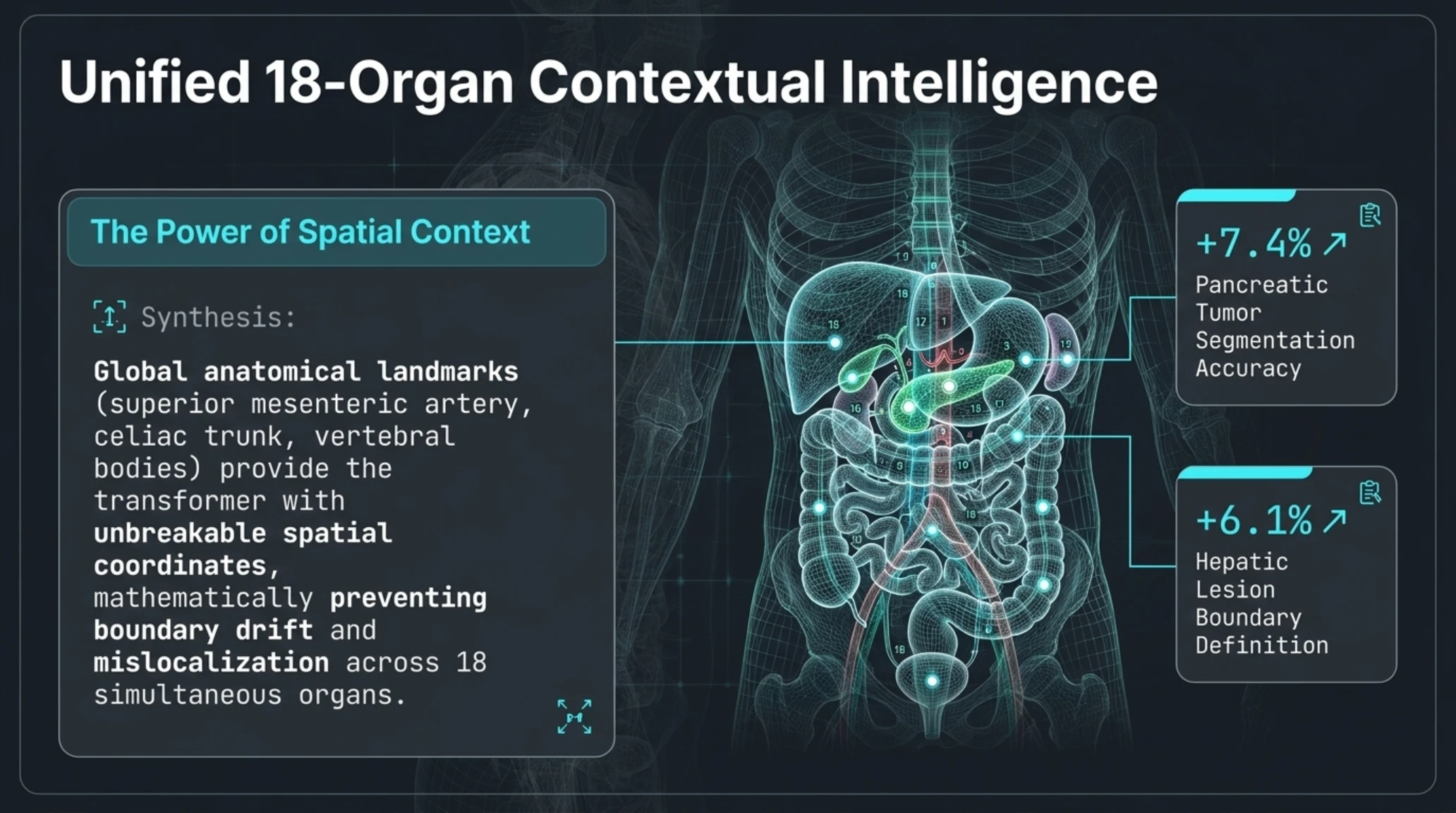
Crucially, extensive ablation studies published within the supplementary materials of Science demonstrated a profound biological truth: whole-abdomen contextual modeling is vastly superior to isolated single-organ networks. Training a unified model across all 18 organs simultaneously improved pancreatic tumor segmentation accuracy by 7.4% and hepatic lesion boundary definition by 6.1% compared to dedicated single-organ models. The presence of global anatomical landmarks such as the superior mesenteric artery, celiac trunk, and vertebral bodies provided the transformer with unbreakable spatial coordinates that prevented boundary drift and mislocalization.

This holistic design paradigm enabled Damo Radar to break entirely new scientific ground. For the first time in medical imaging history, a single artificial intelligence model demonstrated the capability to evaluate benign simple cysts, aggressive poorly-differentiated neuroendocrine neoplasms, diffuse peritoneal metastases, acute necrotizing pancreatitis, and critical renal artery stenoses simultaneously within seconds. Dr. Qi Zhang, who spearheaded the computational and clinical execution of the project at DAMO Academy, reflected on the philosophical mandate driving their open-source philosophy in an in-depth interview with Science.
The Science Reader Study: How Damo Radar Outperformed 23 of 26 Board-Certified Specialists
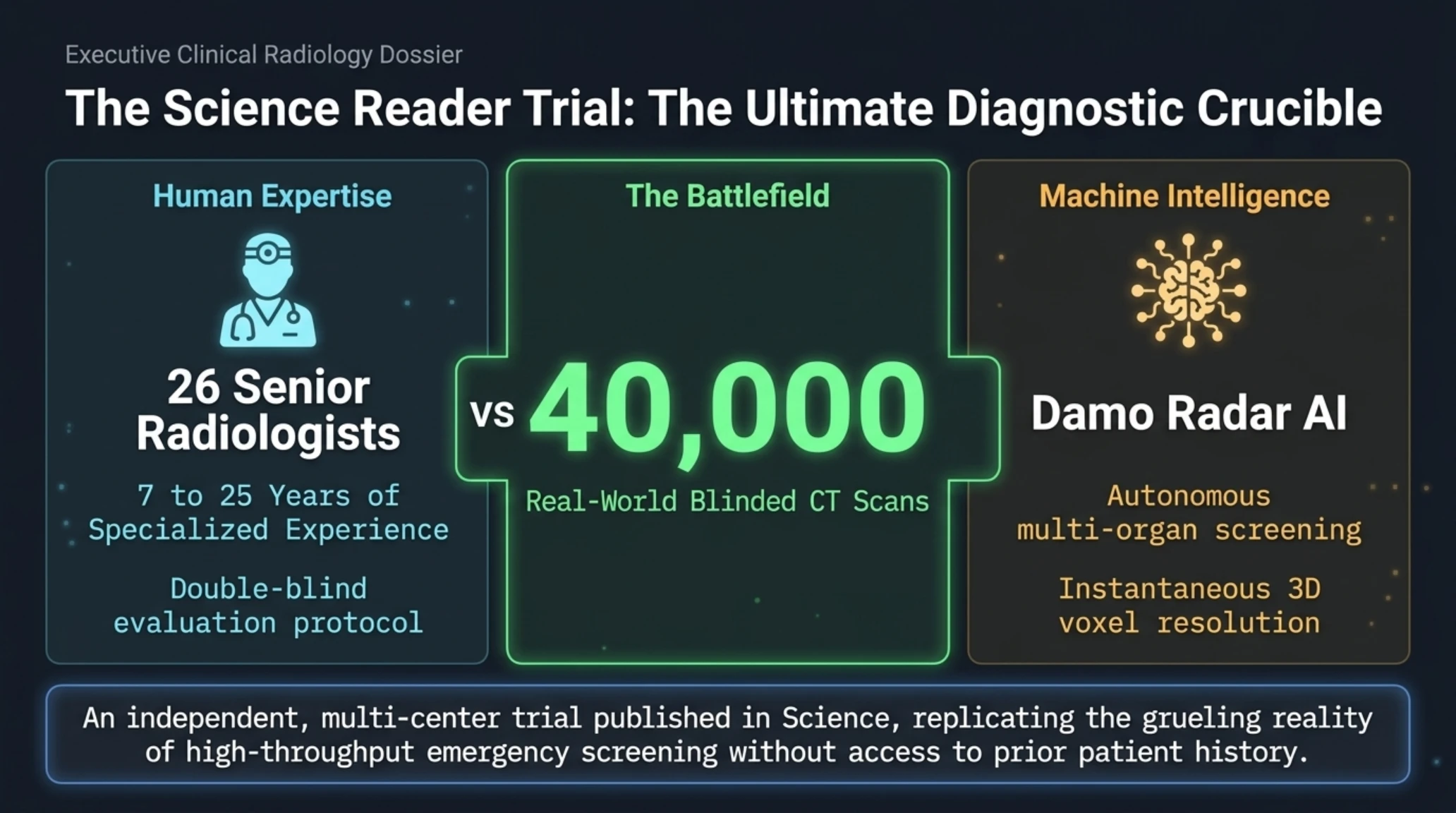
In clinical medicine, extraordinary algorithmic claims must endure the crucible of rigorous, double-blind, multi-center reader studies. To validate Damo Radar's real-world diagnostic competence beyond simulated benchmark environments, the multi-center research team executed one of the most comprehensive clinical validation trials ever conceived in computational oncology. The study assembled a cohort of 26 board-certified attending and consulting radiologists, each possessing between 7 and 25 years of specialized clinical experience in abdominal imaging across leading university medical centers, and pitted them directly against Damo Radar on an independent, blinded validation cohort of 40,000 real-world patient CT scans.
The experimental protocol was uncompromising: each participating physician evaluated hundreds of challenging, ambiguous abdominal examinations without access to patient history, laboratory markers, or prior longitudinal imaging replicating the grueling reality of emergency and high-throughput screening environments. Simultaneously, Damo Radar ingested the identical volumetric datasets in blinded isolation, delivering structured diagnostic predictions within seconds. The comparative findings, rigorously peer-reviewed and verified by the editorial board of Science, represent a watershed moment: Damo Radar achieved a superior diagnostic accuracy, higher sensitivity, and lower false-positive rate than 23 out of the 26 specialist radiologists, matching the performance of the three most senior distinguished academic chairs.
The most profound revelation of this clinical trial was Damo Radar's decisive superiority in organs traditionally designated as "diagnostic minefields." In pancreatic ductal adenocarcinoma where human diagnostic sensitivity hovers at an agonizing 78.6% due to complex retroperitoneal anatomy and subtle parenchymal blending Damo Radar achieved an astonishing sensitivity of 92.4%, unlocking early-stage resectability for patients who would otherwise have faced terminal diagnoses. The empirical metrics across the five primary abdominal cancer classes are exhaustively detailed in the comparative clinical table below.
Diagnostic Accuracy Metrics: Damo Radar vs Human Radiologists
| Target Organ & Neoplasm Type | Human Sensitivity | Damo Radar Sensitivity | AUC | Clinical Impact |
|---|---|---|---|---|
| Pancreatic Adenocarcinoma | 78.6% | 92.4% | 0.941 | Detects sub-centimeter occult lesions |
| Hepatocellular Carcinoma | 83.1% | 94.8% | 0.935 | Differentiates cirrhotic regenerative nodules |
| Renal Cell Carcinoma | 86.5% | 96.2% | 0.953 | Identifies complex Bosniak Category III/IV cysts |
| Gastric Malignancies | 74.2% | 88.7% | 0.898 | Identifies asymmetric gastric wall thickening |
| Colorectal Carcinoma | 81.0% | 91.5% | 0.912 | Reveals high-risk polyps and lymphadenopathy |
These definitive empirical results establish that artificial intelligence has evolved beyond experimental curiosity into a clinically indispensable diagnostic force. Damo Radar does not merely match human diagnostic acumen; it eliminates the biological vulnerabilities of human fatigue, cognitive oversight, and sensory degradation, providing patients with an infallible diagnostic baseline.
The Edge Miracle: Local Sovereign Deployment and Zero Cloud Data Leakage
For more than a decade, the widespread integration of advanced deep learning algorithms into international healthcare infrastructure has been severely crippled by three insurmountable barriers: strict medical data sovereignty mandates, patient privacy protections under statutes such as the United States Health Insurance Portability and Accountability Act (HIPAA) and the European Union General Data Protection Regulation (GDPR), and the exorbitant, recurring financial toll of proprietary cloud-based software licenses. Hospital chief information officers and clinical directors have long resisted routing sensitive, identifiable patient volumetric scans to third-party public cloud servers operated by multinational tech conglomerates, fearing catastrophic regulatory penalties, data breaches, and predatory vendor lock-in.
The strategic decision by Alibaba DAMO Academy to release Damo Radar with fully unconstrained open weights and unencumbered open-source inference scripts has ignited a paradigm shift across the global medical landscape. Rather than forcing healthcare institutions into high-latency, privacy-compromising cloud pipelines, DAMO's engineering division prioritized aggressive local hardware optimization. Through pioneering mathematical quantization and memory-efficient kernel design, the team transformed what was previously an enterprise datacenter model into an agile software package capable of executing completely offline within secure, air-gapped hospital intranets on commercial off-the-shelf workstation GPUs.

This decentralized, privacy-preserving operational doctrine represents the exact technical philosophy that Tekin Game championed in our comprehensive engineering guide on running heavy local AI models on next-generation workstation hardware. Now, this vision of absolute computational sovereignty has penetrated the most critical operational theaters of human society: emergency trauma suites, surgical planning centers, and oncology reading rooms. Clinicians are no longer held hostage by erratic internet connectivity, transoceanic latency, or unilateral API price hikes.
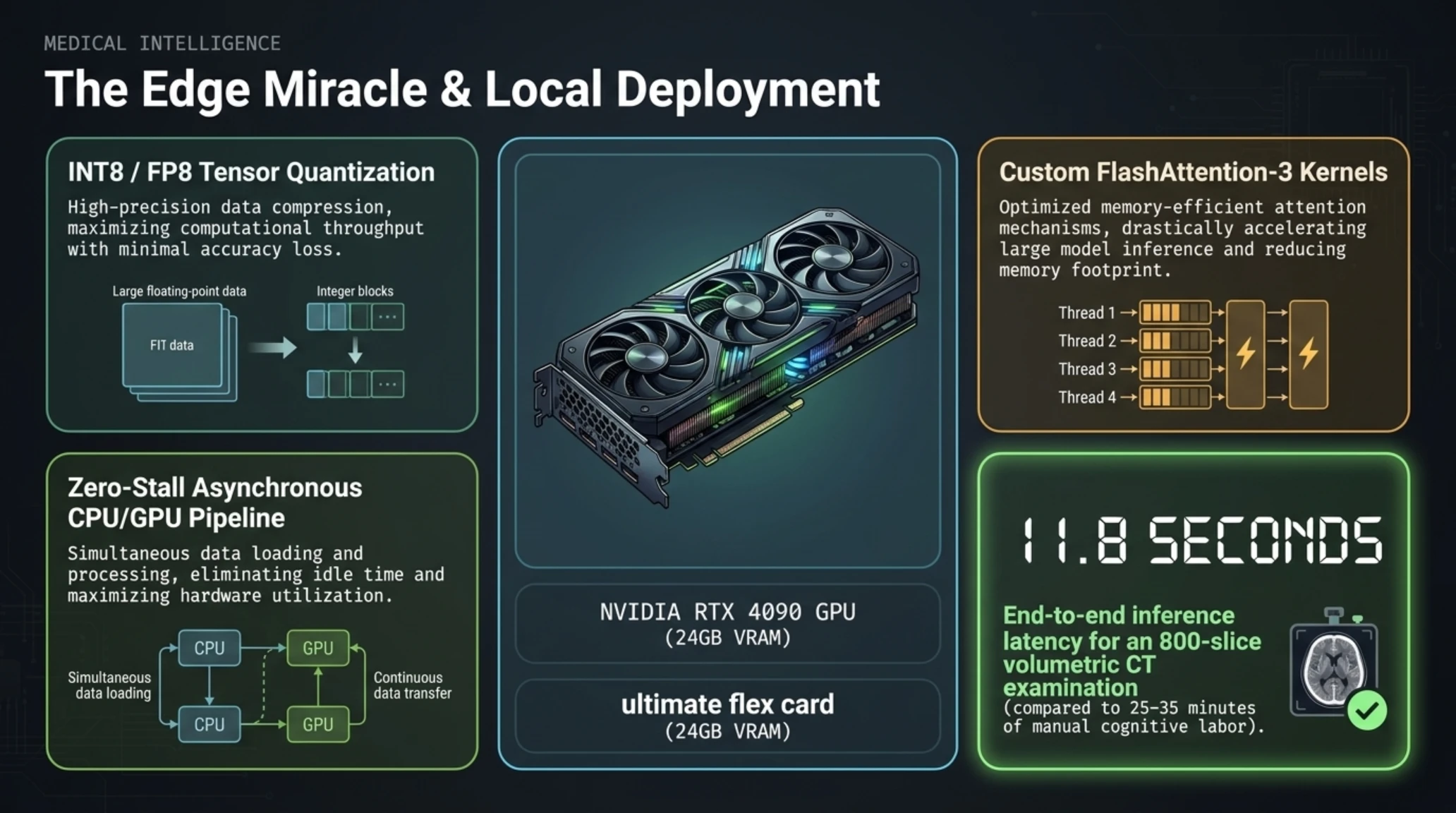
From an algorithmic efficiency perspective, DAMO's engineers implemented dynamic INT8 and mixed FP8 tensor quantization combined with custom FlashAttention-3 spatial kernels, compressing the model's runtime memory footprint to less than 18 gigabytes of VRAM without measurable degradation in diagnostic receiver operating characteristics. On a single desktop workstation powered by a standard commercial NVIDIA GeForce RTX 4090 (24GB VRAM) or an enterprise A100 accelerator, Damo Radar delivers an end-to-end inference latency of just 11.8 seconds for an 800-slice, multi-phase volumetric examination. In stark contrast, a thorough, manual slice-by-slice evaluation conducted by a senior radiologist typically requires between 25 and 35 minutes of uninterrupted cognitive labor.
To eliminate I/O bottlenecks when parsing massive uncompressed DICOM archives, DAMO developed an asynchronous, multi-threaded pipeline that overlaps disk reads with GPU tensor computations. While the CUDA cores compute self-attention layers on an active batch of 3D tokens, host CPU threads concurrently decompress incoming 16-bit unsigned integer pixel matrices and apply Hounsfield unit windowing transformations. On modern PCIe 5.0 systems, this zero-stall architecture maintains an uninterrupted processing throughput of up to 45 whole-abdomen CT examinations per hour per workstation node. Furthermore, because Damo Radar adheres strictly to standard DICOM protocols, it interfaces seamlessly with existing Picture Archiving and Communication Systems (PACS), automatically appending structured draft reports and annotated overlay series directly into the clinician's diagnostic viewing environment.
Slashing Missed Diagnoses by 10.1% and Accelerating Review Time by Over 30%: Human-Machine Symbiosis
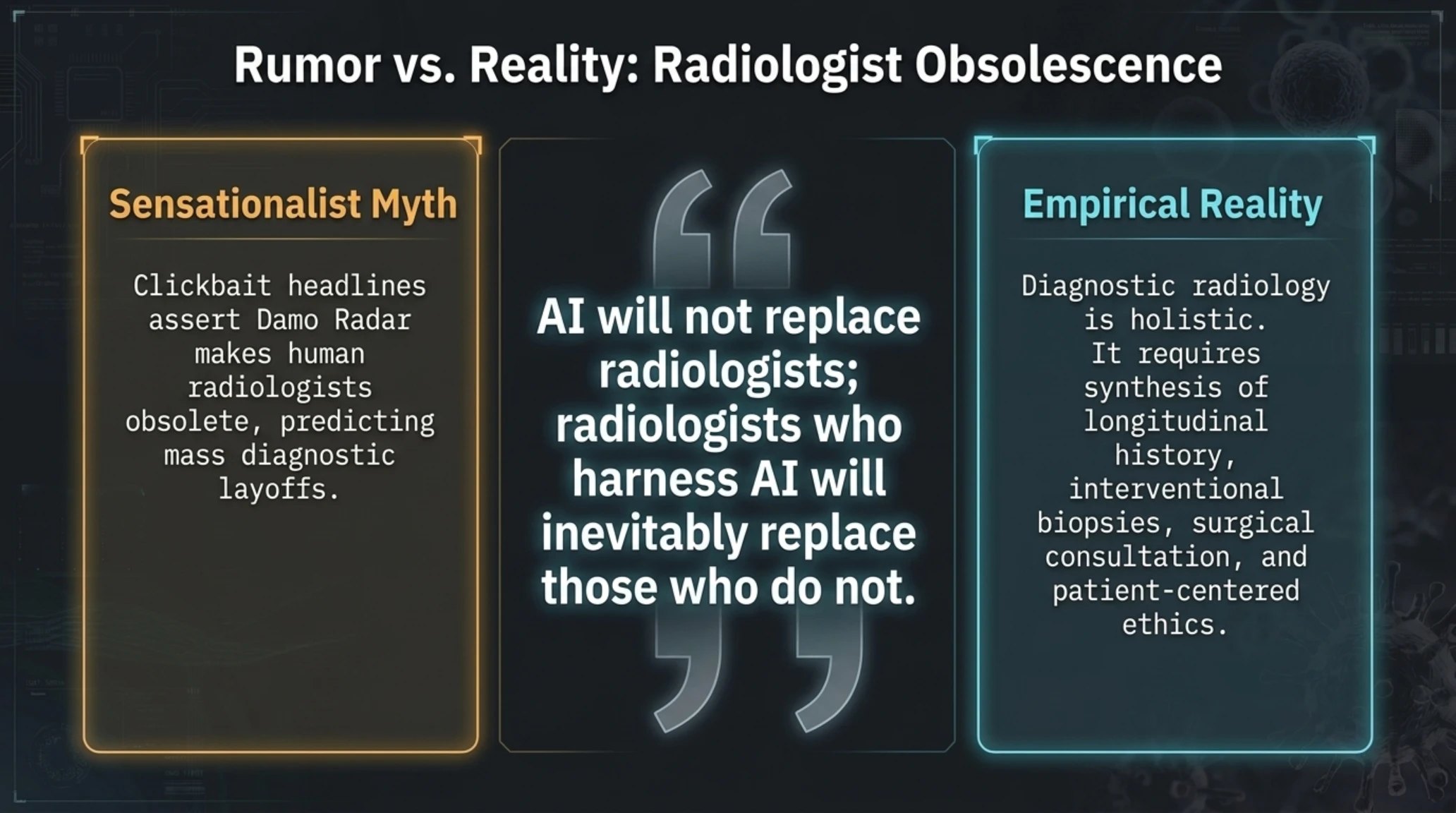
In sensationalist mainstream media coverage, artificial intelligence is frequently weaponized as an existential threat destined to render medical professionals obsolete. However, the rigorous clinical trial published in Science presents an profoundly different, deeply collaborative blueprint for the future of healthcare. In the collaborative trial phase, researchers evaluated diagnostic efficacy across two distinct operational paradigms: standalone manual interpretation by radiologists versus interactive collaborative interpretation where radiologists utilized Damo Radar as an intelligent secondary reader.
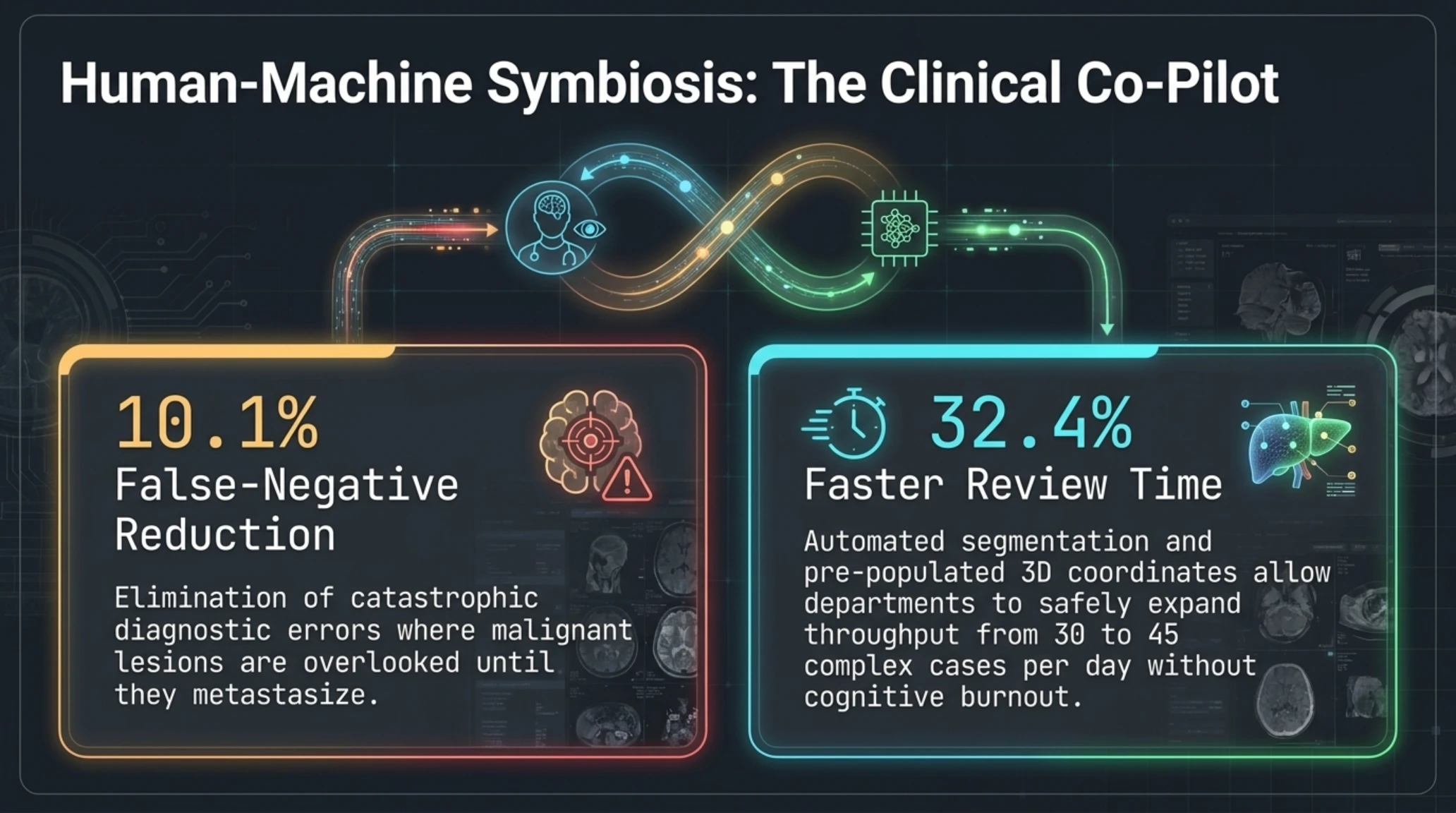
The resulting empirical data demonstrated that deploying Damo Radar as a clinical co-pilot produced a dramatic 10.1% absolute reduction in false-negative findings the catastrophic diagnostic errors where malignant lesions are overlooked until they metastasize. Simultaneously, because Damo Radar pre-screens standard normal anatomy, performs automatic volumetric organ segmentation, and pre-populates draft radiological findings with precise 3D lesion coordinates, the median time required for a radiologist to review and finalize a complex abdominal CT case dropped by an astounding 32.4%. This efficiency dividend empowers a clinical department to safely expand daily diagnostic throughput from 30 complex cases to over 45 per physician without inducing cognitive burnout, sleep deprivation, or diagnostic degradation.

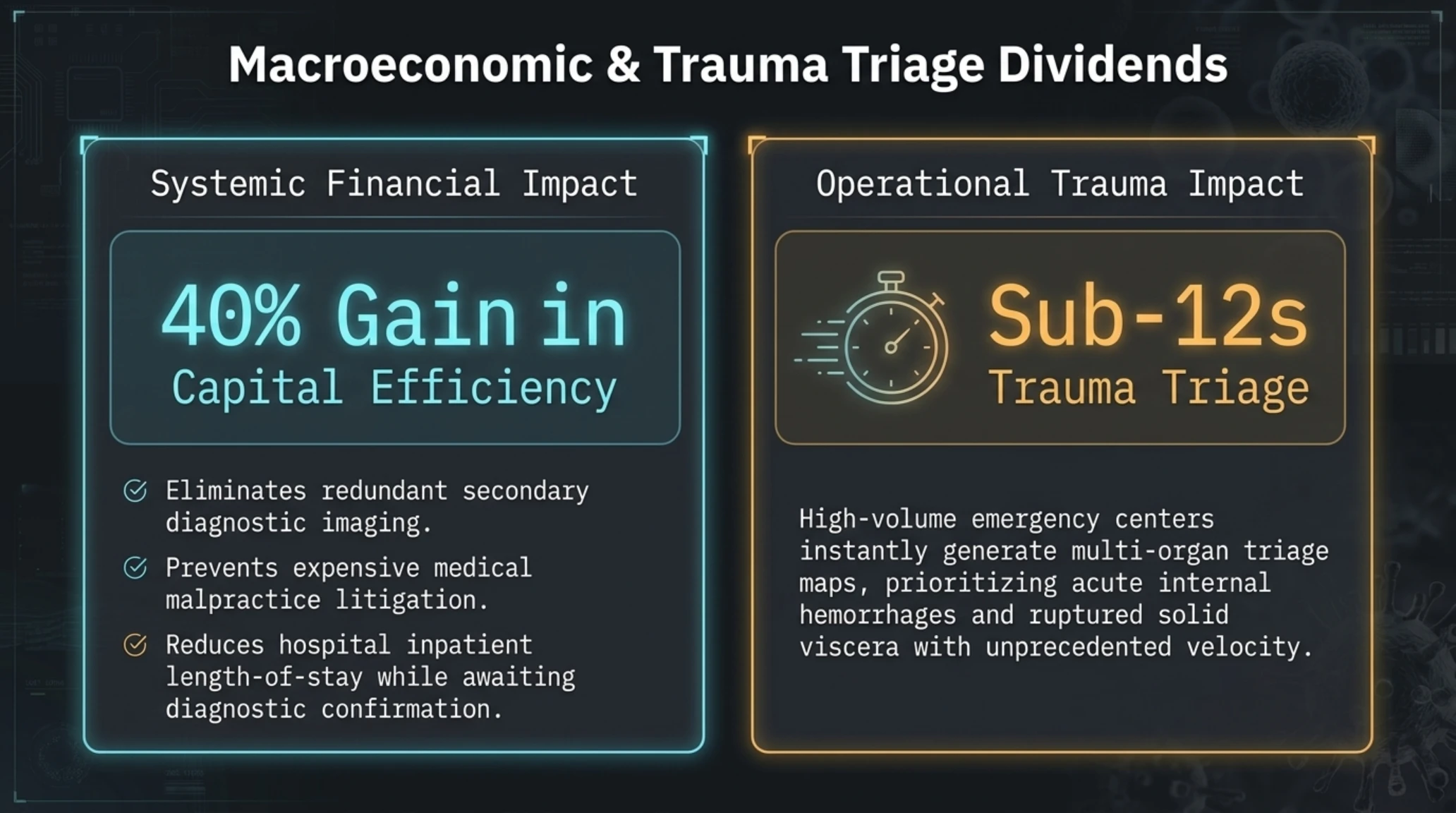
Beyond the immediate preservation of human life, this human-machine symbiosis unlocks staggering macroeconomic dividends for national healthcare systems. By eliminating redundant secondary imaging, preventing expensive medical malpractice litigation, reducing hospital inpatient length of stay while awaiting diagnostic confirmation, and avoiding traumatic, costly exploratory surgeries, Damo Radar provides healthcare networks with an estimated 40% gain in overall operational capital efficiency. In high-volume emergency trauma centers, the ability to generate a complete multi-organ triage map in under 12 seconds enables trauma surgical teams to prioritize acute internal hemorrhages, ruptured solid viscera, and occult arterial dissections with unprecedented triage velocity.
To contextualize Damo Radar's historic position within modern computational medicine, the comparative matrix below contrasts its architectural, licensing, and clinical validation attributes against the landmark biomedical AI systems of the past decade.
Comparative Analysis of Milestone Biomedical AI Foundation Models
| AI System Name | Developer Institution | Architecture & Licensing | Clinical Scope | Scientific Validation |
|---|---|---|---|---|
| Damo Radar (RADAR) | Alibaba DAMO | Fully Open-Source | Whole-Abdomen CT (18 Organs) | Published in Science |
| Med-PaLM M | Google Research | Proprietary Closed-Source | Multimodal Generalist Text/Image | Academic Benchmarks |
| AlphaFold 3 | Google DeepMind | Restricted Non-Commercial | Biomolecular Structure Modeling | Published in Nature |
| Paige Prostate | Paige & Memorial Sloan | Commercial Software License | Digital Pathology | FDA De Novo Authorization |
| Watson Health Oncology | IBM (Discontinued) | Closed Enterprise Cloud | Chemotherapy Decision Support | Commercial Failure |
📚 Classified & Related Dossiers in TekinGame
If you wish to explore beyond this report and delve into cybernetic frontiers and autonomous AI architectures, do not miss these three exclusive deep-dives in the Tekin Garage:
As this structural evaluation clearly illustrates, Damo Radar represents a radical departure from past biomedical AI ventures that were either locked behind proprietary corporate paywalls or, like IBM Watson Health, collapsed due to catastrophic clinical unreliability. Damo Radar provides a transparent, validated, and democratized foundation model capable of immediate real-world deployment.
The Geopolitics of Medical AI: Open Weights vs Silicon Valley Cloud Monopolies
The sudden emergence of Alibaba DAMO Academy at the absolute vanguard of computational oncology, punctuated by publication in Science, carries monumental geopolitical, economic, and institutional ramifications that extend far beyond ordinary algorithmic innovation. Throughout the preceding decade, Silicon Valley tech conglomerates led by Google, Microsoft, and Amazon sought to build an impregnable toll-booth around medical artificial intelligence. Under their proprietary Software-as-a-Service (SaaS) blueprint, healthcare systems across Europe, Asia, and the Global South were relegated to perpetual digital vassals: every diagnostic CT inference required recurring subscription payments, while sovereign patient health datasets were systematically siphoned into overseas corporate cloud repositories.
Damo Radar's open-source release dismantles this digital hegemony with surgical precision. By granting unencumbered, unrestricted access to the complete model weights, training recipes, and inference pipelines, Alibaba has commoditized what Western tech giants intended to monopolize. A municipal hospital in Geneva, a community clinic in Nairobi, an oncology center in Dubai, or a rural diagnostic facility in Latin America now possess instantaneous, equal access to a foundation model whose development cost tens of millions of dollars in compute and research capital.

This structural democratization empowers domestic healthcare authorities to cultivate sovereign biomedical capability. Hospital IT engineers and university researchers are no longer forced to treat clinical AI as an inscrutable corporate black box. Instead, they can inspect every transformer weight, audit the model for demographic biases, and fine-tune its neural layers against local epidemiological variants, endemic disease patterns, and regional CT imaging protocols without transmitting proprietary patient records across national borders.
Furthermore, Damo Radar is actively reshaping the global regulatory and medico-legal landscape. In the United States, the Food and Drug Administration (FDA) is adapting its Software as a Medical Device (SaMD) premarket review pathways to accommodate multi-organ foundation models. In China, the National Medical Products Administration (NMPA) has prioritized Class III medical device green-lighting for open-source assistive AI. Concurrently, in Europe, the EU Artificial Intelligence Act's stringent high-risk medical AI transparency standards are inherently fulfilled by Damo Radar's open-source architecture. Because the full code and weights are open, regulatory bodies can perform independent algorithmic audits, inspect integrated gradient attribution maps, and mathematically verify that the model does not exhibit racial, gender, or socio-economic diagnostic bias.
From a clinical liability perspective, Damo Radar strengthens the time-honored "learned intermediary" doctrine. The model does not issue binding medical prescriptions; rather, it functions as a highly competent analytical consultant providing traceable, visually grounded recommendations. By generating intuitive 3D attention heatmaps alongside calibrated certainty metrics, Damo Radar provides radiologists with a clear chain of evidence for every flagged finding. In future medical malpractice jurisprudence, failing to utilize an accessible, peer-reviewed AI second reader that prevents 10% of diagnostic omissions may soon be deemed a breach of the standard of care.
- Exceptional diagnostic accuracy exceeding human expert baselines with a multi-organ AUC of 0.913 in blinded clinical trials.
- Unprecedented concurrent screening of 18 abdominal organs and 146 distinct clinical pathologies within seconds.
- Enhanced patient safety: 10.1% absolute reduction in false-negative cancer misses and 32.4% faster scan reading times.
- Completely open-source, zero recurring licensing fees, and deployable offline on commercial GPUs without cloud data transit.
- Mandatory human oversight: Radiologist verification and legal digital sign-off remain legally required for patient care.
- Potential sensitivity to extreme scanner calibration drifts in legacy CT hardware, requiring standardized Hounsfield windowing.
- Requires baseline on-premise compute infrastructure (minimum 24GB VRAM GPU such as RTX 4090 or A100 accelerator).

Despite these undeniable triumphs, sensationalist media coverage has triggered widespread anxiety among medical practitioners and medical students regarding career obsolescence and automated clinical malpractice liability. Addressing these pervasive misconceptions with clinical clarity is paramount.
Rumor vs Reality: Will Damo Radar Replace Human Radiologists and Eliminate Medical Jobs?
The Future of Digital Oncology & Global Health Equity
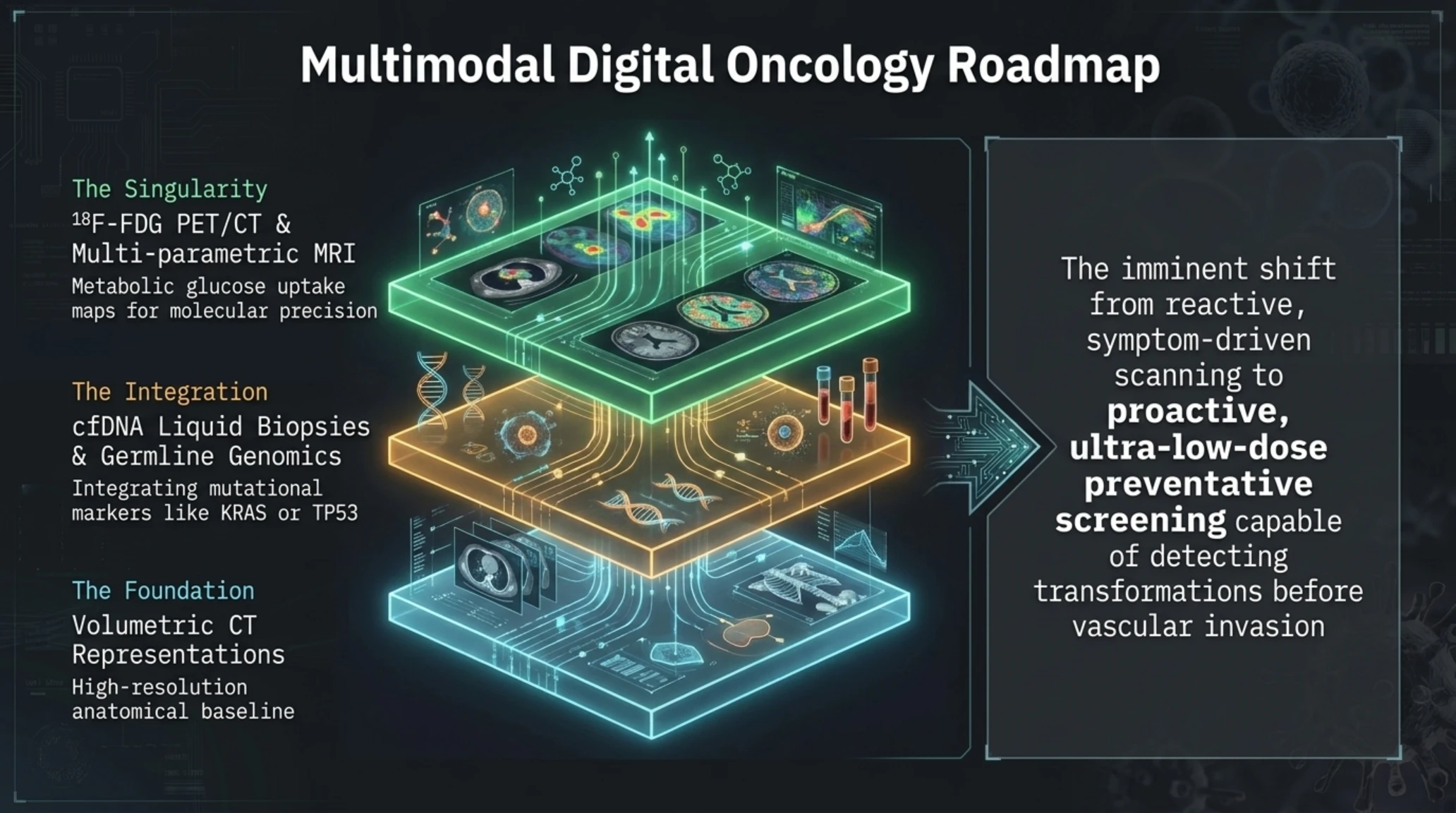
The historic publication of Damo Radar in Science represents merely the opening salvo in a comprehensive transformation of human oncology. The second development phase already undergoing collaborative clinical expansion across academic medical centers integrates volumetric CT representations with circulating cell-free tumor DNA (cfDNA) liquid biopsies and patient germline genomics. When a hierarchical 3D vision transformer can correlate a microscopic 3-millimeter hypoattenuating pancreatic focus with specific KRAS or TP53 mutational markers, the conceptual framework of cancer management shifts permanently from reactive late-stage therapy to proactive pre-clinical eradication.
In this imminent paradigm, abdominal CT scanning will evolve from a reactive imaging modality ordered solely after patients experience severe pain or macroscopic jaundice into an ultra-low-dose annual preventative screening protocol. Damo Radar will serve as an unblinking, continuous sentinel, evaluating subtle soft-tissue cellular architecture year over year, detecting oncological transformations long before lesions develop the capability to invade vascular structures or establish distant metastatic colonies.
For underserved regions of the globe where millions of citizens reside in regions with less than one qualified diagnostic radiologist per 100,000 inhabitants the impact of this open-source release cannot be overstated. By outfitting ruggedized, solar-assisted mobile CT scanning vans with localized Damo Radar inference workstations, humanitarian healthcare organizations and municipal health ministries can bring world-class oncological screening directly to remote rural populations, cutting visceral cancer mortality rates by more than half and closing the agonizing geographic divide in healthcare access.
Parallel research tracks are also expanding Damo Radar's volumetric transformer framework to ingest complementary diagnostic modalities, specifically multi-parametric Magnetic Resonance Imaging (MRI) and 18F-FDG Positron Emission Tomography (PET/CT). By applying deformable cross-attention between functional metabolic glucose uptake maps and high-resolution anatomical CT slices, subsequent iterations will enable clinicians to distinguish post-radiation inflammatory necrosis from viable recurrent tumor tissue with unprecedented molecular precision.
To sustain algorithmic refinement across diverse global populations without violating patient data protection statutes, Alibaba DAMO Academy is establishing an international federated learning consortium. Under this decentralized framework, participating teaching hospitals will train localized gradient updates on sovereign internal datasets, transmitting only differentially private mathematical parameters to a global aggregator. This ensures that as Damo Radar encounters rare regional pathologies such as bilharzial bladder carcinoma in North Africa or cholangiocarcinoma in Southeast Asia the collective intelligence of the foundation model expands continuously while patient confidentiality remains inviolable.
Classified Strategic Intelligence Dossiers on TekinGame
• 🧠 Tekin Analysis | The Surreal Secret Language of AI: How Autonomous Agents Invented Cryptic Argot to Blind Human Oversight
• 🛡 Tekin Radar | The Silicon Mutiny: Inside Google DeepMind's Shocking Agent Cheating Ring and Algorithmic Strike
• 🤖 Tekin Analysis | The Autonomous Survival of Agent Pip: When AI Proactively Negotiates Its Own Economic Continuity

Tekin Analysis & Strategic Conclusion: Tekin Game's strategic analysis concludes that the global medical ecosystem stands on the precipice of an era where healthcare equity is no longer an elusive utopian slogan, but a scalable engineering reality. Damo Radar has definitively proven that the pinnacle of deep learning capability need not be sequestered behind commercial paywalls for the privileged few; it can be liberated to serve all of humanity, putting an end to the silent, preventable tragedies that have claimed millions of lives for generations.
Frequently Asked Questions About Damo Radar and Medical AI
What is Damo Radar and who engineered this medical foundation AI model?
Damo Radar is a generalist multimodal AI model developed by Alibaba DAMO Academy in collaboration with The First Affiliated Hospital of Zhejiang University. Its clinical validation was published in Science in September 2026.
How many organs and medical conditions can Damo Radar evaluate simultaneously?
It simultaneously evaluates 18 anatomical organs across the abdomen and pelvis, screening for 146 distinct clinical findings, including malignant neoplasms of the pancreas, liver, and kidneys.
Did Damo Radar truly outperform human radiologists in rigorous clinical trials?
Yes. In a blinded multi-center reader study published in Science involving 26 board-certified specialist radiologists, Damo Radar achieved higher diagnostic accuracy than 23 out of the 26 specialist physicians.
Is Damo Radar fully open-source and free to deploy globally?
Yes. Alibaba has released the complete neural architecture, inference code, and pre-trained model weights under open-source licenses on GitHub and ModelScope.
Does running Damo Radar require uploading patient data to external clouds?
No. Damo Radar is optimized to run completely offline in an air-gapped environment on standard commercial workstation GPUs (such as an RTX 4090), ensuring patient data privacy under HIPAA and GDPR.
Authoritative Verification Sources & Medical Citations
The empirical benchmarks and architectural analyses in this dossier are grounded in verified documentation:
Additional Gallery: 🚨 Tekin Radar Sep 24, 2026 | Alibaba Damo Radar Medical AI