Strategic Key Takeaways
- Smart Development
- Dynamic NPCs
- Procedural Content
- Futuristic Architecture
Strategic Key Takeaways
- Moving past legacy tools into the era of generative AI in game development.
- Empowering indie studios to compete directly with AAA industry giants.
- Eliminating repetitive and robotic dialogue lines in next-gen NPCs.
- The pivotal role of technologies like NVIDIA ACE in real-time animation processing.
- Realizing the concept of infinite replayability through intelligent systems.
- The exciting and visionary roadmap outlined by industry leaders like Hideo Kojima.
Introduction: Artificial Intelligence as the Next Chapter
Artificial intelligence is no longer a sci-fi fantasy; it has evolved into a transformative force across all industries, with video games standing at the very forefront. We are currently witnessing a true revolution where AI acts not merely as a background development tool, but as a core pillar of the interactive experience itself.
Traditional game design relied heavily on scripted behaviors, rigid dialogue trees, and manual asset creation. As hardware capabilities plateau relative to consumer expectations, developers are turning to machine learning to scale their ambitions without expanding development cycles to decade-long timelines.
The Death of Scripted Dialogue: LLMs and Living NPCs
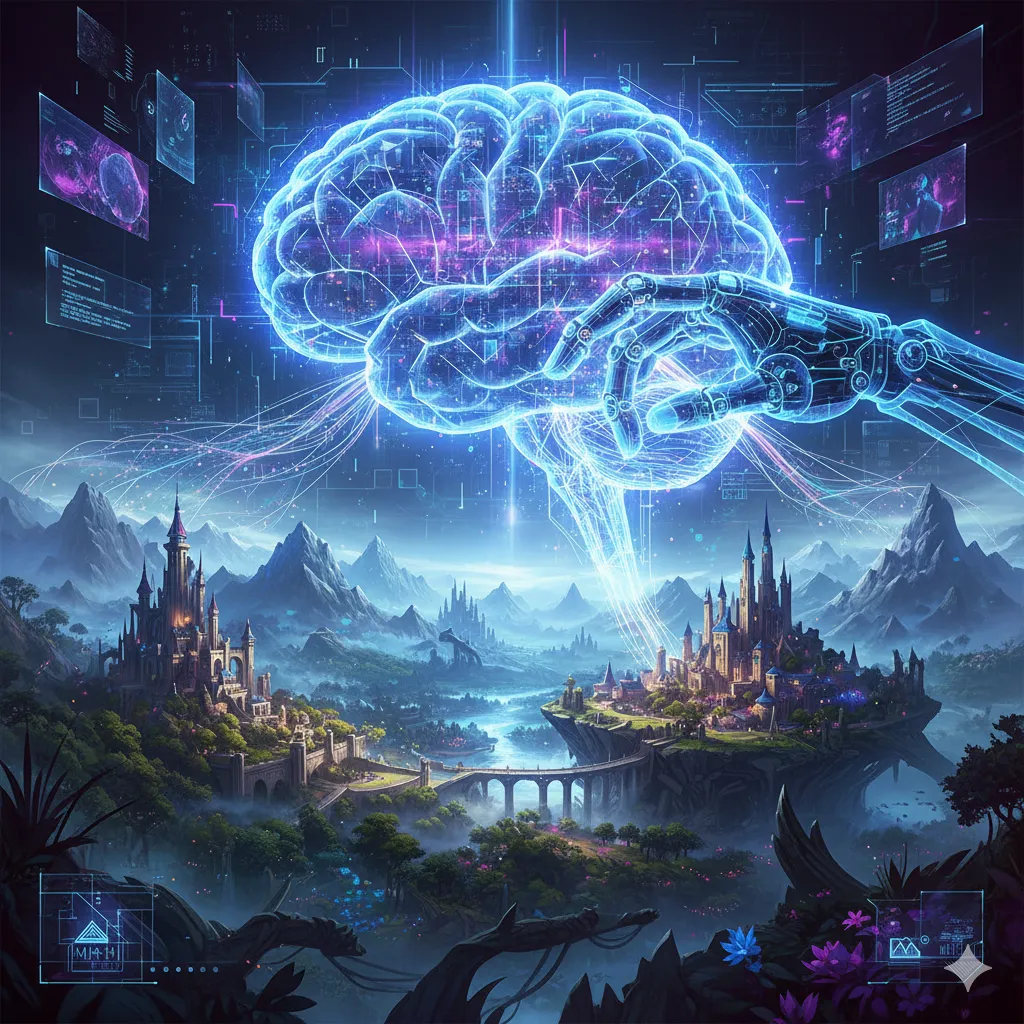
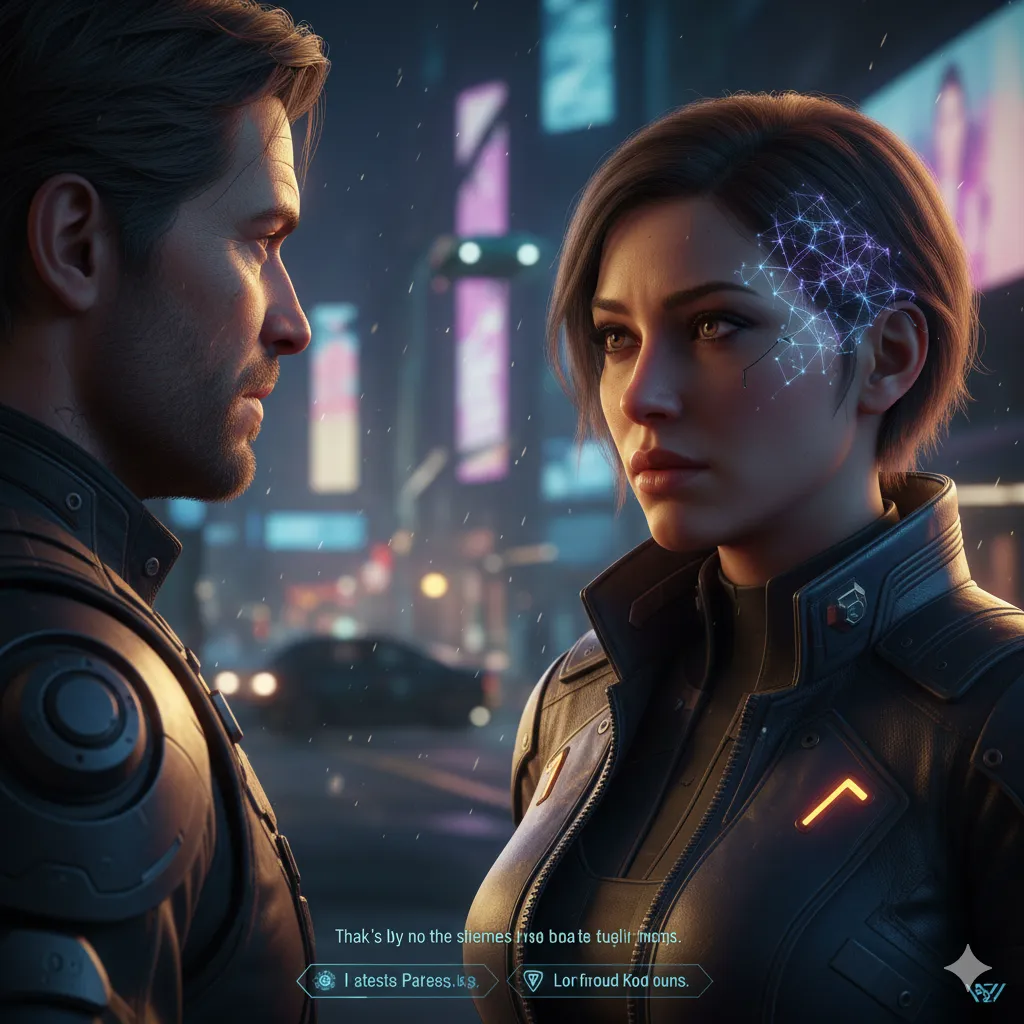
For decades, non-player characters (NPCs) have operated under strict limitations, repeating the same three phrases regardless of player actions. The integration of advanced Large Language Models (LLMs) completely shatters this paradigm by allowing characters to reason, improvise, and converse naturally.
Technologies such as NVIDIA ACE empower characters to understand player input in real time and generate context-aware responses with fully lip-synced facial animations. Players can now form genuine tactical or emotional bonds with digital companions whose personalities evolve dynamically based on previous interactions.
Procedural Generation and Infinite Replayability
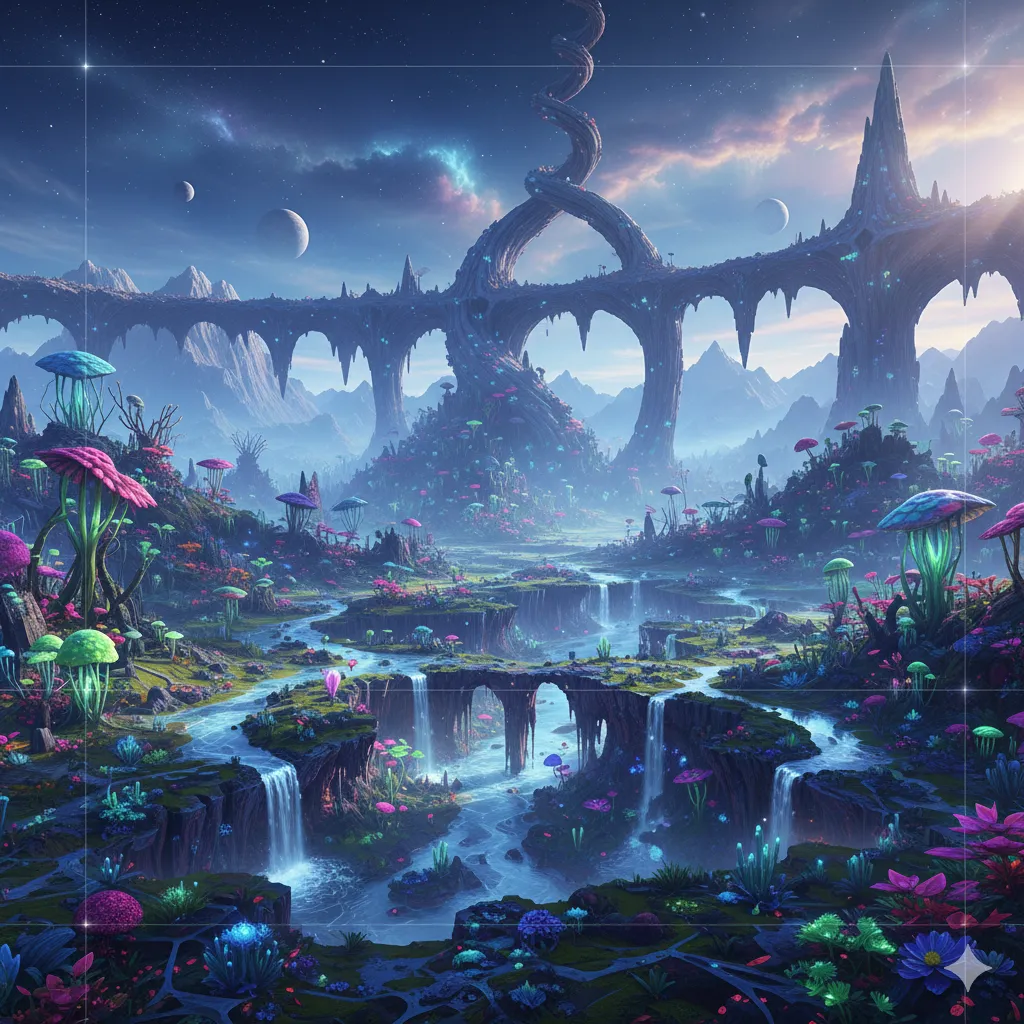
Procedural content generation (PCG) has existed in rudimentary forms for years, but generative AI elevates it to an artistic medium. Instead of repetitive textures and copy-pasted terrain, modern AI models can construct entire ecosystems, lore-rich side quests, and unique dungeons on the fly.
This capability guarantees that no two player runs are identical, effectively solving the industry-wide challenge of content consumption speed. Independent developers can now ship massive, breathing open-world experiences that rival the scale of projects traditionally built by hundreds of internal employees.
Technical Specifications & Performance Breakdown
| Dimension | Status | Assessment |
|---|---|---|
| Engine Architecture | DirectX 12 / Vulkan Optimized | High-FPS stability across desktop and portable hardware |
| Spatial Audio | Multi-channel 3D Directional | Accurate positioning vital for tactical awareness |
| Player Capacity | Co-Op / Multi-Squad Ready | Optimized network replication and synchronization |
📚 Classified & Related Dossiers in TekinGame
If you wish to explore beyond this report and delve into cybernetic frontiers and autonomous AI architectures, do not miss these three exclusive deep-dives in the Tekin Garage:
- Limitless conversational depth for NPCs
- Drastic reduction in production timelines and budgets
- Truly dynamic and evolving open-world environments
- Empowerment of small indie studios for grand projects
- Potential hardware bottlenecks for on-device processing
- Risk of over-reliance on generative shortcuts
- Ethical considerations regarding training data and copyright
Why This Evolution Matters
Artificial intelligence is shifting from a supportive utility to the foundational architecture governing the video game landscape of the next decade, redefining what is technically and creatively possible.
Frequently Asked Questions
How do LLMs change NPC interactions in modern games?
LLMs allow NPCs to process natural language, maintain memory of past player choices, and generate unique, unscripted responses on the fly.
Will AI replace human game developers and artists?
Rather than replacing human creators, AI streamlines tedious asset production, allowing artists and writers to focus on high-level narrative and creative direction.
What hardware is required to run advanced AI-driven game features?
Next-gen features often leverage cloud computing or dedicated hardware accelerators like Tensor Cores to process complex neural networks in real time.
